

Written by Jennifer Lyons on December 12, 2025
Reviewed by Alycia Lucio, Edited by Suzanne De Vita
One half of Minnesota’s Twin Cities (we see you, St. Paul), Minneapolis brings together urban walkability, endless cultural opportunities and lakes…so many lakes! If you’re specifically drawn to lake life, including having easy access to parks, trails and community activities nearby, Loring Park and Calhoun–Isles/Bde Maka Ska-Isles neighborhoods stand out. Those seeking luxury often look to areas like Linden Hills, Kenwood or Edina, while those focused on schools might consider Tangletown or the University District.
Join us on the west side of the Twin Cities as we explore 12 Minneapolis neighborhoods with so much to offer.
Check out the best neighborhoods in Minneapolis for:
- Affordability and value
- Lifestyle and community
- Luxury and high-end living
- Schools and higher education
- Quiet living
For affordability and value
As of October 2025, the typical rent in Minneapolis was $1,706 per month, below the national average of $1,949.
For buyers, the gap is just as noticeable. Minneapolis’ median list price of $326,600 sits below the national median list price of $360,727, reinforcing the city’s reputation as being among the more affordable major urban markets in the Midwest. The parts of Minneapolis where your budget tends to go furthest while still giving you access to culture, community spaces, and everyday conveniences are Kingfield, North Loop, Saint Louis Park and Whittier.
Kingfield
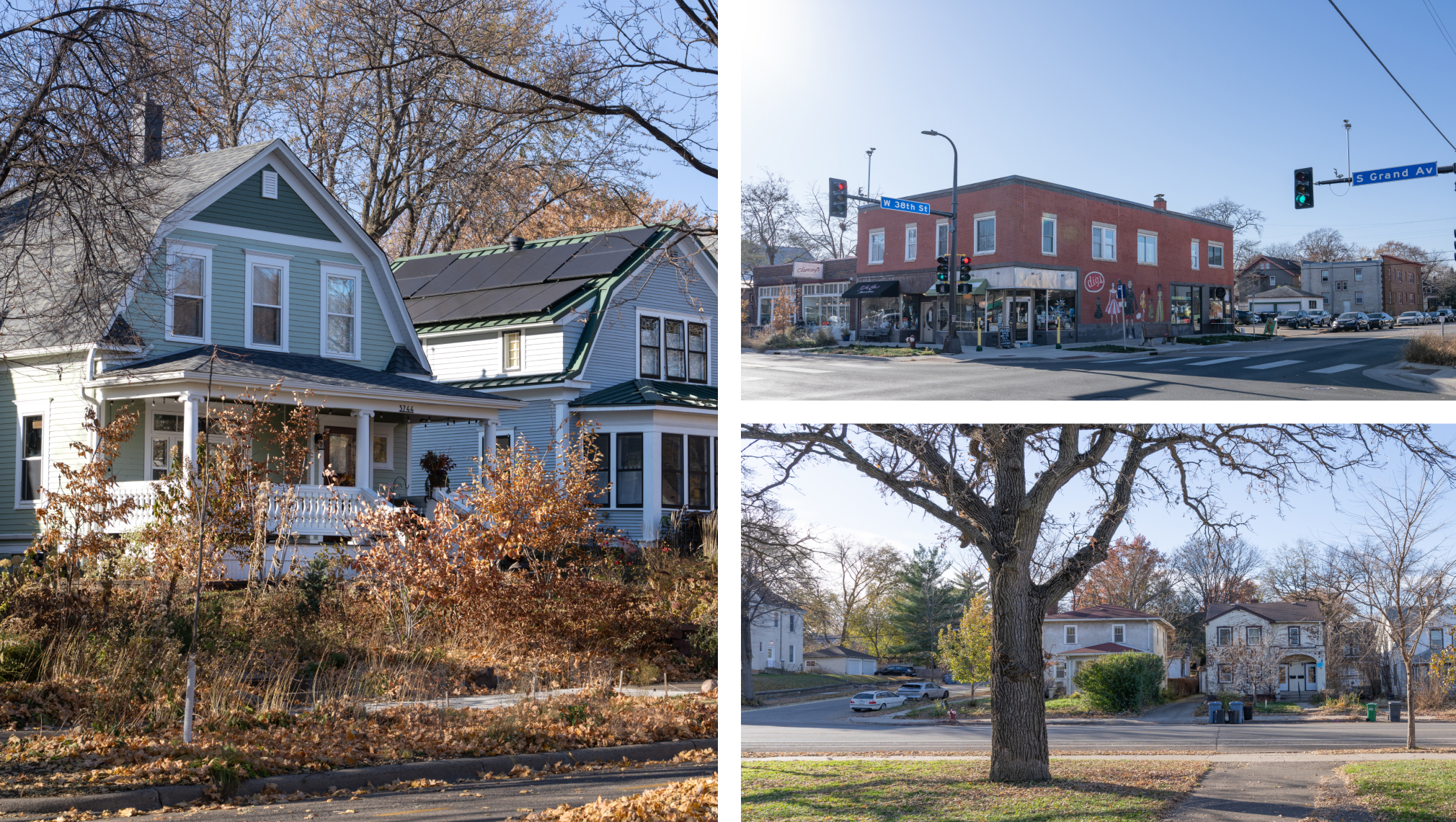
Kingfield is one of Southwest Minneapolis’ classic residential neighborhoods, known for its tree-lined streets, early 20th-century homes, and strong sense of community. Although home values are rising here, a $396,500 average as of October 2025, Kingfield still represents one of the more affordable parts of the city. Much of the area is developed from former farmland dating back to the late 1800s, and today Kingfield features a steady mix of local eateries, cafés, and small businesses concentrated along Nicollet Avenue. Seasonal events like the Kingfield Farmers Market and neighborhood gatherings contribute to its active, close-knit atmosphere.
Kingfield also offers quick access to several major green spaces. Lyndale Park Gardens, home to the historic Rose Garden, the Peace Garden, and extensive perennial beds — sit just west of Kingfield on the edge of Lake Harriet. Trails around Lake Harriet, Bde Maka Ska, and nearby parks provide residents with easy opportunities for walking, biking, and lakefront recreation.
Kingfield key takeaways
- Typical home value: $396,500
- 1-year value change: +4.8%
- For sale inventory: 20
(Data through October 31, 2025)
North Loop
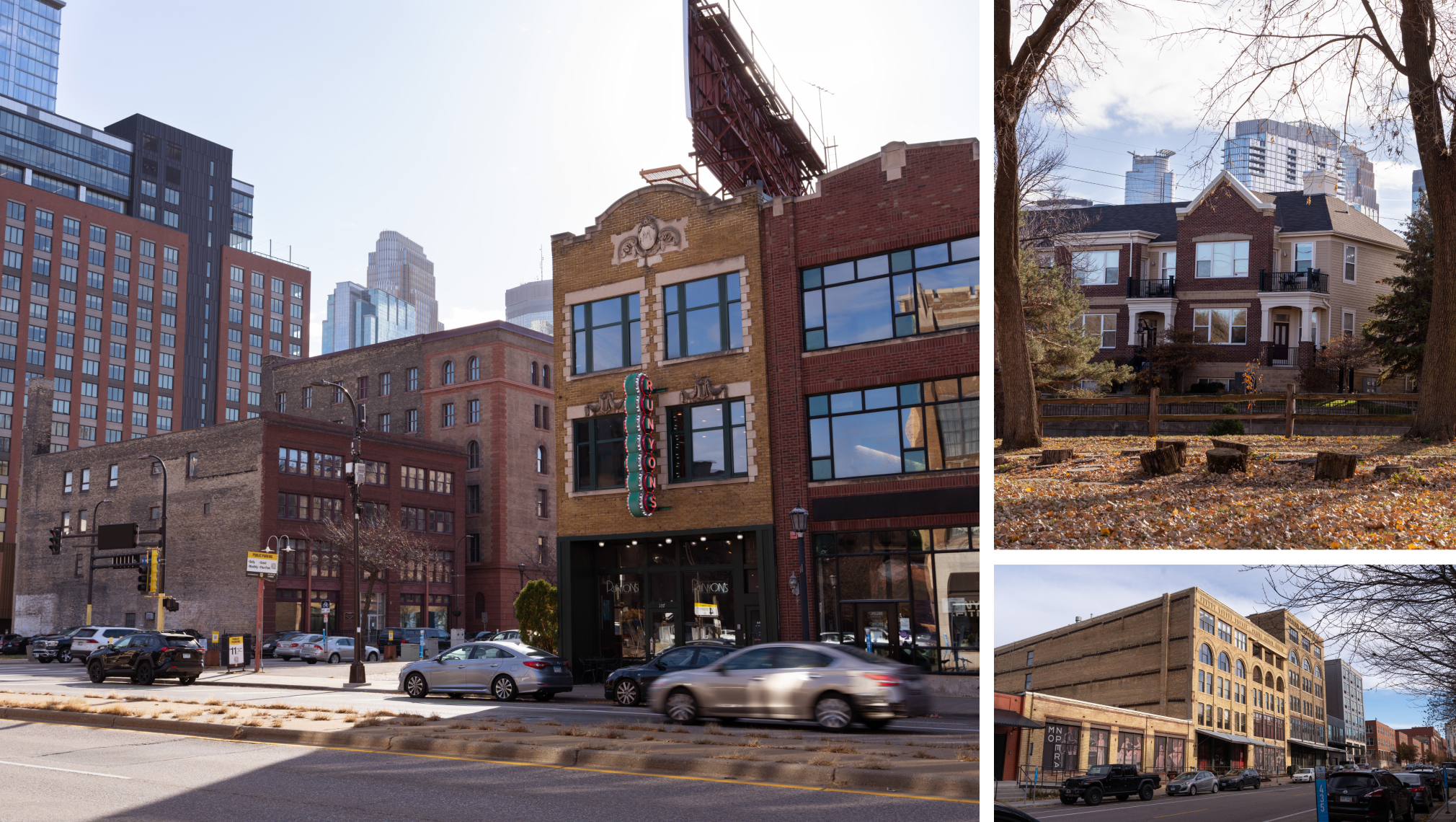
With one of the most affordable average home values on our list, along with proximity to Downtown Minneapolis, North Loop may be ideal for those looking for value and convenience. The average home value in North Loop is $330,169 as of October 2025, up a modest 1.8% year-over-year. Also known as the Warehouse District, the North Loop has transformed from a corridor of factories and storage buildings into one of Minneapolis’ most in-demand urban neighborhoods. Many of its historic brick warehouses now house loft-style apartments, creative offices, and retail spaces, all within minutes of Target Field and the Mississippi Riverfront trails.
North Loop is equally known for its nightlife. A high concentration of bars, lounges, and late-night venues draws residents and visitors after dark, making the North Loop one of Minneapolis’ busiest evening destinations. New residential buildings continue to rise alongside these entertainment spots, giving the neighborhood a mix of industrial character and modern energy — all while remaining more affordable than some of the city’s traditional luxury districts.
North Loop key takeaways
- Typical home value: $330,169
- 1-year value change: +1.8%
- For sale inventory: 66
(Data through October 31, 2025)
Saint Louis Park
Saint Louis Park is a Minneapolis suburb less than 10 miles west of the city, with more affordable housing options compared to other higher-priced neighborhoods in the area, such as Linden Hills or Kingwood. As of October 2025, the median list price in Saint Louis Park is $345,633, while the average home value is $367,289.
With easy highway access, Saint Louis Park is that classic Twin Cities sweet spot. The neighborhood includes ranches and mid-century homes, plus pockets of dining and shopping around Excelsior Boulevard and the West End development. If you’d rather leave the car behind, you can walk or bike the Cedar Lake Regional Trail straight into Downtown Minneapolis.
Saint Louis Park key takeaways
- Typical home value: $367,289
- 1-year value change: +1.4%
- For sale inventory: 221
(Data through October 31, 2025)
Whittier
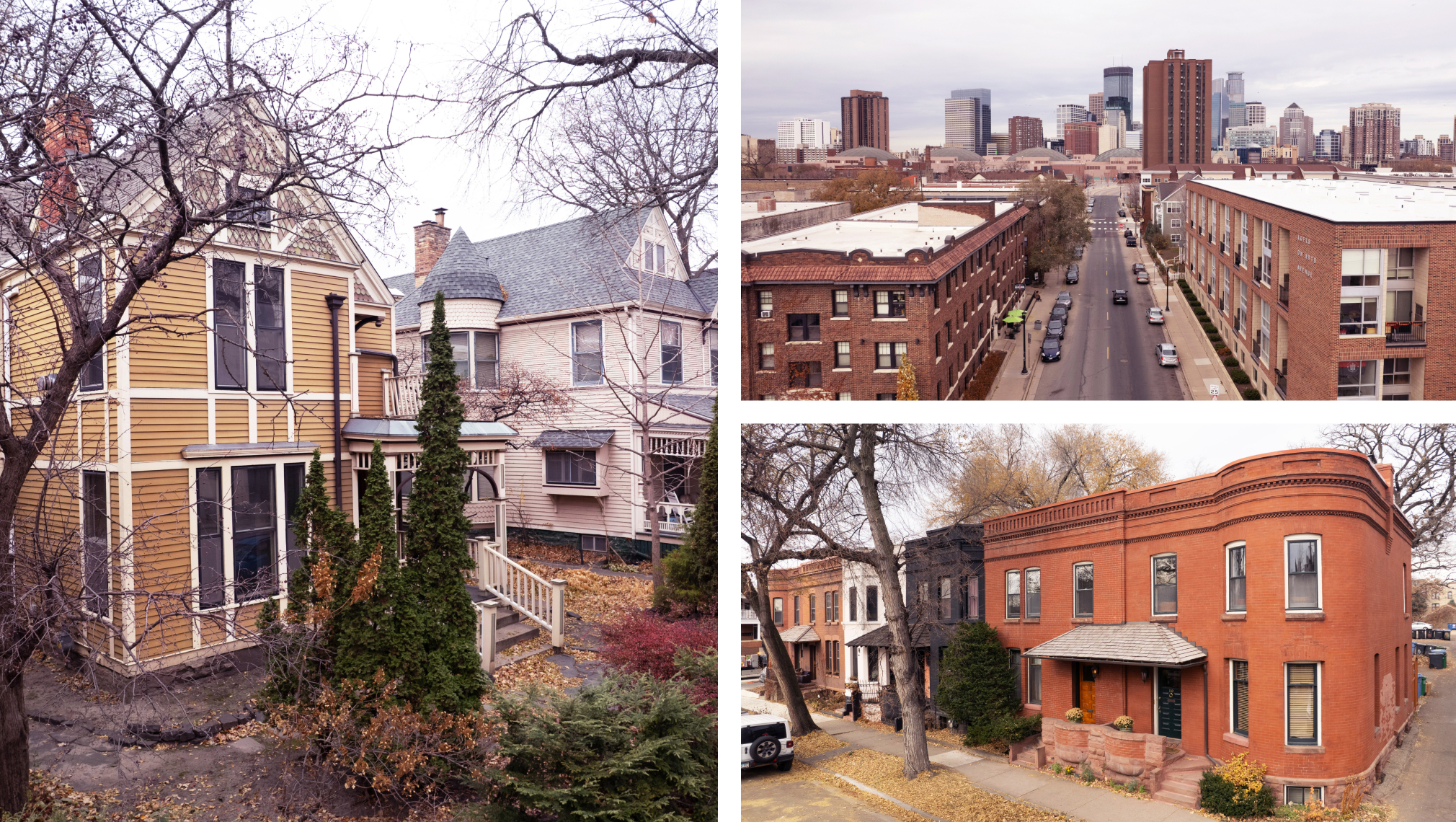
Whittier sits just south of Downtown Minneapolis and is known for its mix of early 20th-century housing, including brick apartment buildings, walk-up flats, and single-family homes. Much of the neighborhood developed between the late 1800s and early 1900s, and today Whittier remains one of Minneapolis’ more affordable areas, with an average home value of $201,095 as of October 2025. Whittier’s cultural diversity is reflected along Nicollet Avenue, widely known as “Eat Street,” where global cuisine, long-standing markets, and independent businesses have shaped the area since the 1970s.
Residents benefit from several transportation options. Metro Transit’s Route 18 runs along Nicollet Avenue for direct access from downtown, while Route 21 along Lake Street connects Whittier to surrounding neighborhoods. Drivers can reach Downtown Pittsburgh in about 10 minutes via Nicollet or Lyndale, and street parking is common. For cyclists, the Midtown Greenway, a dedicated, below-grade biking and walking trail stretching 5 miles across Minneapolis, offers a direct, low-traffic connection to Whittier.
Whittier key takeaways
- Typical home value: $201,095
- 1-year value change: -0.3%
- For sale inventory: 31
(Data through October 31, 2025)
For lifestyle and community
Some neighborhoods in Minneapolis — including the Bde Maka Ska Isles area and Downtown East — are built around cultural attractions, recreation or a sense of community. Here’s what to know about these lifestyle-forward areas.
Downtown East
Downtown East combines riverfront recreation with Minneapolis’ industrial history, centered around the Mill District, U.S. Bank Stadium, and the Mississippi Riverfront. Residents enjoy direct access to the Stone Arch Bridge, the Mill City Museum, and the riverside trail network, while nearby green spaces like The Commons and Gold Medal Park provide open lawns, public art, and year-round community programming.
Downtown East offers a blend of modern residential towers, converted lofts, and contemporary condominiums, making it a popular choice for those who want walkable access to cultural landmarks, entertainment venues, and transit connections. With its mix of historic architecture, waterfront paths, and active public spaces, Downtown East delivers an urban lifestyle with a strong sense of community and some of Minneapolis’ most iconic views.
Downtown East key takeaways
- Typical home value: $422,076
- 1-year value change: -8.0%
- For sale inventory: 41
(Data through October 31, 2025)
Calhoun-Isles/Bde Maka Ska Isles
Calhoun–Isles, or Bde Maka Ska–Isles, refers to a collection of neighborhoods in Southwest Minneapolis surrounding Bde Maka Ska and Lake of the Isles, including East Isles, West Calhoun, Lowry Hill, and parts of Uptown. The area is defined by its proximity to Minneapolis’ Chain of Lakes, giving residents direct access to paved trails, public beaches, boating facilities, and year-round recreation. Just beyond the shoreline, the Uptown district adds retail, entertainment, and transit connections, making the surrounding neighborhoods a central hub for both daily amenities and outdoor activity.
Families are drawn to the extensive park system and nearby schools, while professionals appreciate the mix of transit access and city conveniences. For many, the appeal of the Calhoun–Isles area comes from its combination of established residential blocks, access to major cultural and recreational assets, and a broad selection of housing options within one of Minneapolis’ most recognizable lake districts.
Calhoun-Isles key takeaways
- Typical home value: $433,019
- 1-year value change: +5.5%
- For sale inventory: 46
(Data through October 31, 2025)
Loring Park
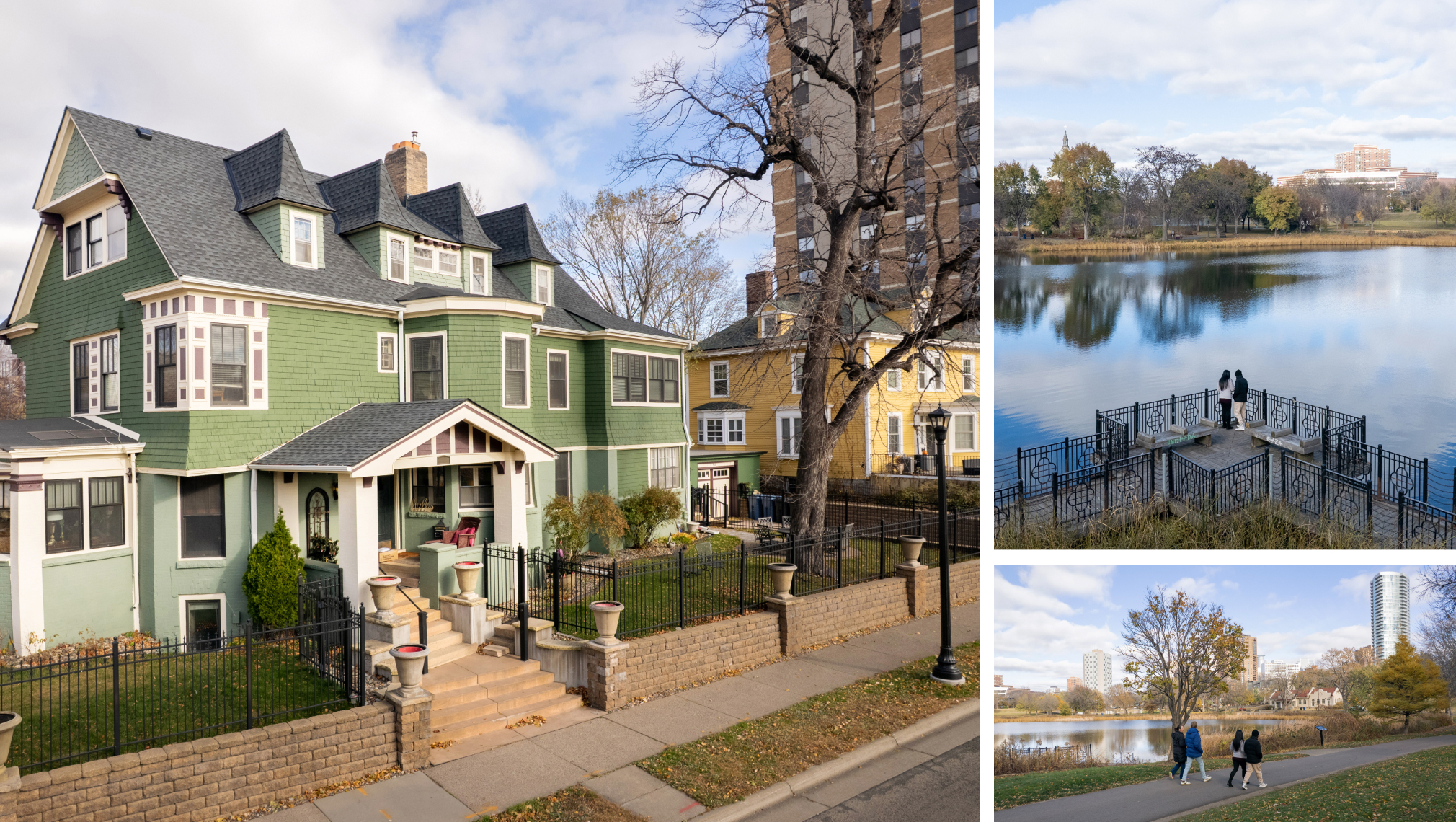
There’s always something going on in Loring Park, the creative heart of Minneapolis. It’s a compact, walkable neighborhood that centers around its namesake park. The park features walking and biking paths, a playground, dog park and small lake. The neighborhood itself plays host to a range of cultural events, including the Loring Park Art Festival and Twin Cities Pride. It’s also an art lover’s dream: Take the selfie-worthy Hixon Whitney bridge to the nearby Walker Art Center, one of the country’s most-visited contemporary art museums, and save some time to marvel at the Minneapolis Sculpture Garden’s 60-plus outdoor works.
Loring Park has mostly apartments and condos, with historic brownstones and older brick buildings thrown in for some architectural flourish. Located right on the south end of Downtown, it’s just a 15- to 20-minute walk or very short drive away, making it ideal for commuters.
Loring Park key takeaways
- Typical home value: $175,252
- 1-year value change: -0.9%
- For sale inventory: 41
(Data through October 31, 2025)
For luxury and high-end living
A few neighborhoods that embody elevated living in Minneapolis include Linden Hills and Kenwood. These neighborhoods offer access to the city’s best dining and shopping and are within proximity to lakes and trails.
Linden Hills
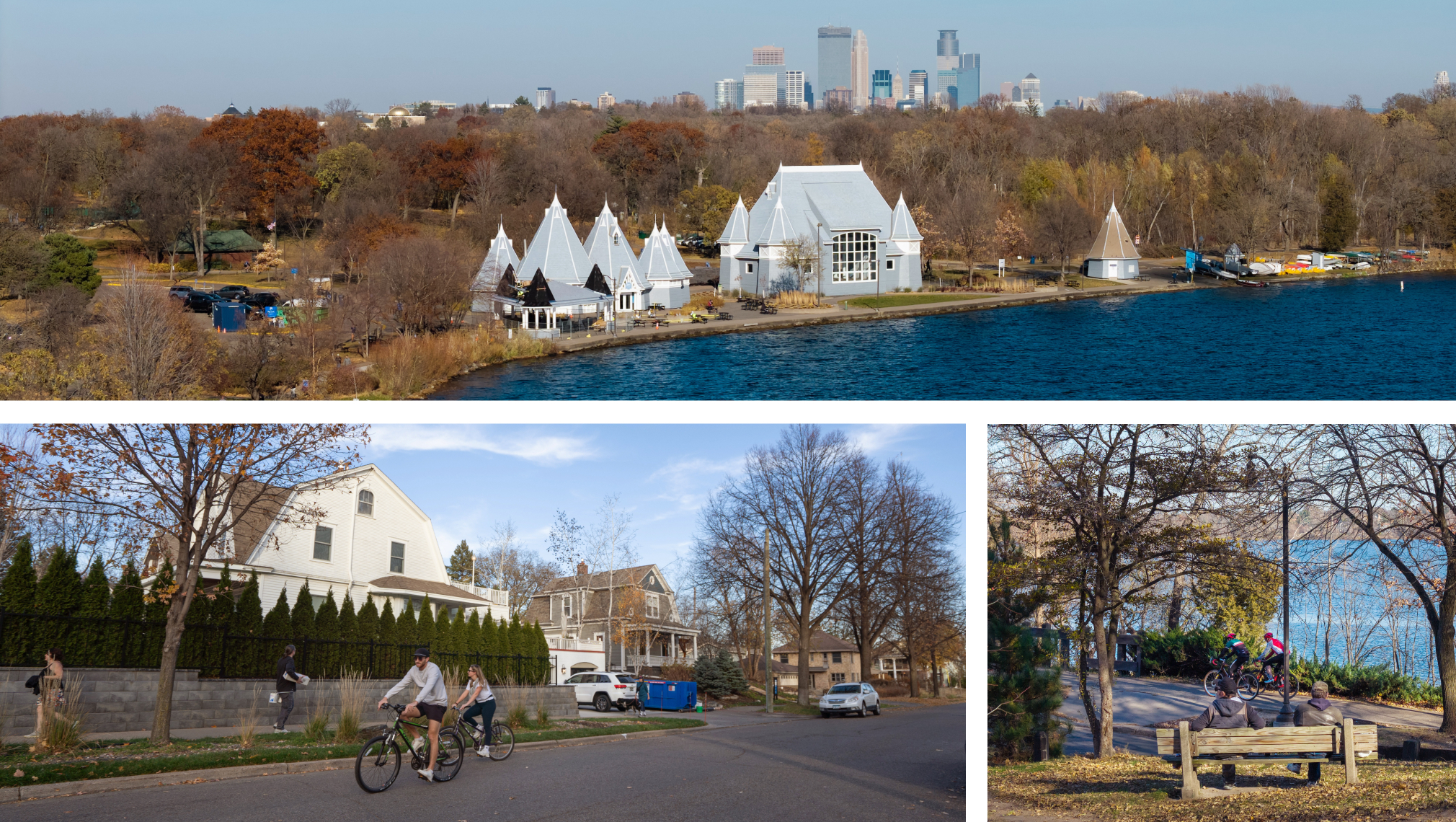
Linden Hills is one of Southwest Minneapolis’ premier neighborhoods, bordered by Bde Maka Ska and Lake Harriet and shaped by its origins as an 1800s lake retreat. The area still reflects that history through preserved features like the Lake Harriet–Como Streetcar line and a mix of early 20th-century architecture alongside newer construction. Small commercial pockets along West 44th Street, Beard Avenue, and Upton Avenue provide everyday conveniences without disrupting the neighborhood’s residential character.
Luxury housing is a defining feature in Linden Hills. Large Tudors, Craftsman homes, spacious bungalows, and modern lake-adjacent builds make up much of the market, with current listings typically ranging from the mid-$700,000s to over $2 million. Lots are modest but comfortably sized for single-family living, and the combination of lake access and architectural variety continues to attract professionals, families, and retirees seeking an upscale, historic setting in Southwest Minneapolis.
Linden Hills key takeaways
- Typical home value: $640,659
- 1-year value change: +5.1%
- For sale inventory: 32
(Data through October 31, 2025)
Kenwood
Kenwood is within the Bde Maka Ska Isles area, tucked between Cedar Lake and Lake of the Isles. Here, luxury homes range from $1 million to $4.6 million, placing it among the most expensive addresses in Minneapolis. The average home value in Kenwood reached $1.1 million in October 2025.
The housing styles in Kenwood include sprawling Tudors, stately Colonials and modern builds, many with views of the Minneapolis skyline and its bordering lakes. Residents often gather at Kenwood Park for tennis matches, picnics and community events, while joggers trace the lakeside trails. If recreation isn’t your speed, Kenwood is also a short distance from Uptown, another Isles area with a more commercial feel and lots of shops.
Kenwood key takeaways
- Typical home value: $1,106,827
- 1-year value change: +1.9%
- For sale inventory: 11
(Data through October 31, 2025)
Edina
Edina is one of the most sought-after places to live in Minnesota, and that demand comes at a price: Homes in the Minneapolis suburb range from about $600,000 to $10 million or more.
One of Edina’s most recognizable hubs is the 50th & France district, a well-known stretch of cafes, boutiques, and small businesses that draws locals and visitors from across Southwest Minneapolis. Nearby green spaces like Centennial Lakes Park and Rosland Park offer calm pockets with walking paths, paddleboats, and seasonal outdoor events, giving residents an easy balance between everyday convenience and relaxed outdoor time.
Edina also stands out for its well-known golf courses, private clubs, and welcoming community scene. Its schools add to that appeal; Edina High School was ranked number 5 among Minnesota public high schools in the U.S. News & World Report’s 2023–2024 Best High Schools list, placing it within the top 500 nationally. For many families, that combination of academic recognition and close-knit community life is a defining reason Edina remains one of Minneapolis’ most sought-after places to live.
Edina key takeaways
- Typical home value: $596,948
- 1-year value change: +2.7%
- For sale inventory: 260
(Data through October 31, 2025)
For schools and higher education
Minneapolis’ strongest educational areas are those with centrally located homes and a range of school options within or near their neighborhood boundaries. Tangletown and Linden Hills are a couple of neighborhoods that match this definition, including neighborhoods, like the University District, which sits close to major institutions like the University of Minnesota, Augsburg University, and the Minneapolis College of Art and Design.
Tangletown
Tangletown pairs its winding, tree-lined streets with academic reliability. Families here have access to Burroughs Community School, one of Minneapolis Public Schools’ top-rated elementary options, known for its strong parent involvement and enriched learning programs. The neighborhood also feeds into Anthony Middle School, which boasts multiple art and music courses, as well as Washburn High School, an alternative college prep high school.
Fuller Park and Minnehaha Creek Parkway within Tangletown offer playgrounds, walking paths, and year-round community events that make after-school hours easy to enjoy. Tangletown’s mix of peaceful streets and strong public schools makes it one of Minneapolis’ most dependable choices for families who want a solid educational foundation and a neighborhood that grows with them.
Tangletown key takeaways
- Typical home value: $542,614
- 1-year value change: +4.9%
- For sale inventory: 10
(Data through October 31, 2025)
Linden Hills
Linden Hills, while known for luxury living, is also well-recognized for its schools and higher education. The neighborhood is in the district for Lake Harriet Lower Elementary School, a public school in Minneapolis offering a Gifted & Talented program. Southwest High School, known for its rigorous International Baccalaureate (IB) curriculum that offers career prep classes, celebrated fine arts programming, and various college credits.
For higher education, Linden Hills is just 7.9 miles via I-35W N from the University of Minnesota’s main campus, Augsburg University, and the Minneapolis College of Art and Design. Combined with Lake Harriet, its many parks, and a strong PTA presence, the neighborhood offers a well-rounded environment for families who value both learning and lifestyle.
Linden Hills key takeaways
- Typical home value: $640,659
- 1-year value change: +5.1%
- For sale inventory: 32
(Data through October 31, 2025)
University District
Centered around the University of Minnesota’s main campus in Minneapolis, the University District blends student life and historic architecture with the school’s world-class programs in medicine, engineering, liberal arts and more. The section of the University District known as Dinkytown is a hub for student life and housing. The neighborhood is also home to Augsburg University, Dunwoody College of Technology and the Minneapolis College of Art and Design.
The University District is filled with cafes and green spaces, including the Mississippi Riverfront, Dinkytown Greenway and East Bank Commons. Housing in the University District includes plenty of student apartments and condos, plus single-family homes around the perimeter of the neighborhood.
University District key takeaways
- Typical home value: $320,925
- 1-year value change: +2.1%
- For sale inventory: 0
(Data through October 31, 2025)
For quiet living
The urban feel of Minneapolis doesn’t mean you won’t find quiet neighborhoods, especially in the southern portion and suburbs of the city. Two areas in particular stand out for quiet living: Diamond Lake, a small community near its namesake body of water; and Plymouth, a city less than 20 miles north of Minneapolis.
Diamond Lake
Near Highway 35W and Cedar Avenue, Diamond Lake is a quiet neighborhood within minutes of Minneapolis. The neighborhood features a network of streets lined with mainly 1940s and 1950s single-family homes, often with three bedrooms or more, and large yards.
Diamond Lake Park, Solomon Park and Todd Park offer plenty of outdoor space, while nearby Lake Nokomis provides access to broader trail networks and even more water recreation activities. While it’s primarily residential, Diamond Lake also has a few restaurants and shops, particularly along Chicago Avenue and 66th Street. In addition, Diamond Lake is close to the Minnehaha Parkway, a scenic — and serene — ride to the Chain of Lakes area.
Diamond Lake key takeaways
- Typical home value: $416,416
- 1-year value change: +4.4%
- For sale inventory: 13
(Data through October 31, 2025)
Plymouth
Located northwest of Downtown Minneapolis, Plymouth is a suburb with extensive parkland, including more than 1,800 acres of public park space. Residents flock to Millennium Garden and Nature Canyon Park, a hub for hiking, kayaking and more. Here, the streets wind through mature neighborhoods with larger lots and a mix of split-level, contemporary and new-construction homes.
Plymouth has been recognized as being among some of the best places to live in the U.S.. The area is known for its highly ranked schools, convenient suburban location, ample outdoor recreation, and easy access to services, all of which support a community that feels settled, low-stress, and comfortably residential.
Plymouth key takeaways
- Typical home value: $498,786
- 1-year value change: +2.3%
- For sale inventory: 264
(Data through October 31, 2025)
How to choose a neighborhood in Minneapolis
To choose a neighborhood in Minneapolis, first clarify your goals. What kind of home are you looking for, and what are your lifestyle preferences and needs? When you’re ready to find a home that fits your needs, count on Zillow to help. You can compare neighborhoods, find a local agent, set up tours and more.
Here’s a summary of the best neighborhoods in Minneapolis for:
- Affordability and value: Explore Kingfield, North Loop, or Saint Louis Park, where local flavor, walkability, and community spirit come with steady long-term value.
- Lifestyle and community: Look toward Downtown East, Calhoun-Isles/Bde Maka Ska Isles or Loring Park, where lakes, parks, and neighborhood traditions define daily life.
- Luxury and high-end living: Consider Linden Hills, Kenwood, or Edina, where architectural character meets timeless comfort and convenience.
- Schools and higher education: Tangletown, Linden Hills, and the University District offer strong academic reputations and access to top institutions.
- Quiet living: Diamond Lake and Plymouth provide calm, green surroundings with quick connections to the heart of the city.
Explore other Minneapolis neighborhoods
Photos by Zillow Listing Media Services
How much home can you afford?
At Zillow Home Loans, we can pre-qualify you in as little as 5 minutes, with no impact to your credit score.
Zillow Home Loans, NMLS # 10287. Equal Housing Lender
Get pre-qualifiedA great agent makes all the difference
A local agent has the inside scoop on your market and can guide you through the buying process from start to finish.
Learn moreRelated Articles

Download the Zillow App
Don’t miss out on the right home for you — browse up-to-date listings, refine your search and more.
Download the free app