20 Alternatives to Buying a Single-Family House
From purchasing a home with friends, to buying a yurt (yes, a yurt!), there are numerous alternatives to buying a single-family home. Here is our list.

Written by Susan Kelleher on February 25, 2026
Reviewed by Jessica Rapp, Edited by May Ortega
If you’ve spent time looking for homes online, you’ve probably come across a place that blows away your understanding of what a home can be. Maybe it was a floating home with a tricked-out deck, or a tiny home nestled in a forest. Whatever it was, it may have sent you in search of some alternatives to buying a house — specifically the detached single-family home that most home buyers are chasing.
In today’s housing market, it's easy to dream about other forms of housing — and other buying arrangements — that can make ownership more affordable, sustainable, or even just more fun. Here are some alternatives to think about.
1. Buying a condominium
A condo is basically an owner-occupied apartment, and it’s a way to balance the benefits of homeownership with the convenience of renting. Condos are typically more affordable than single-family houses, even though, in this market, you’re likely to see a higher share of single-family for-sale listings with price cuts than you are to see discounted condos. The typical value of urban condos in March was $405,857, compared to $610,583 for urban single-family homes. Like single-family houses, condos can appreciate over time, helping you build equity.
With a condo, you own the space inside your unit and share ownership of common areas with the other condo owners. Those common areas are usually managed by a homeowners association (HOA), which takes care of landscaping, painting, roofing, and any amenities such as pools or gyms, in exchange for a monthly fee.
2. Buying a townhome
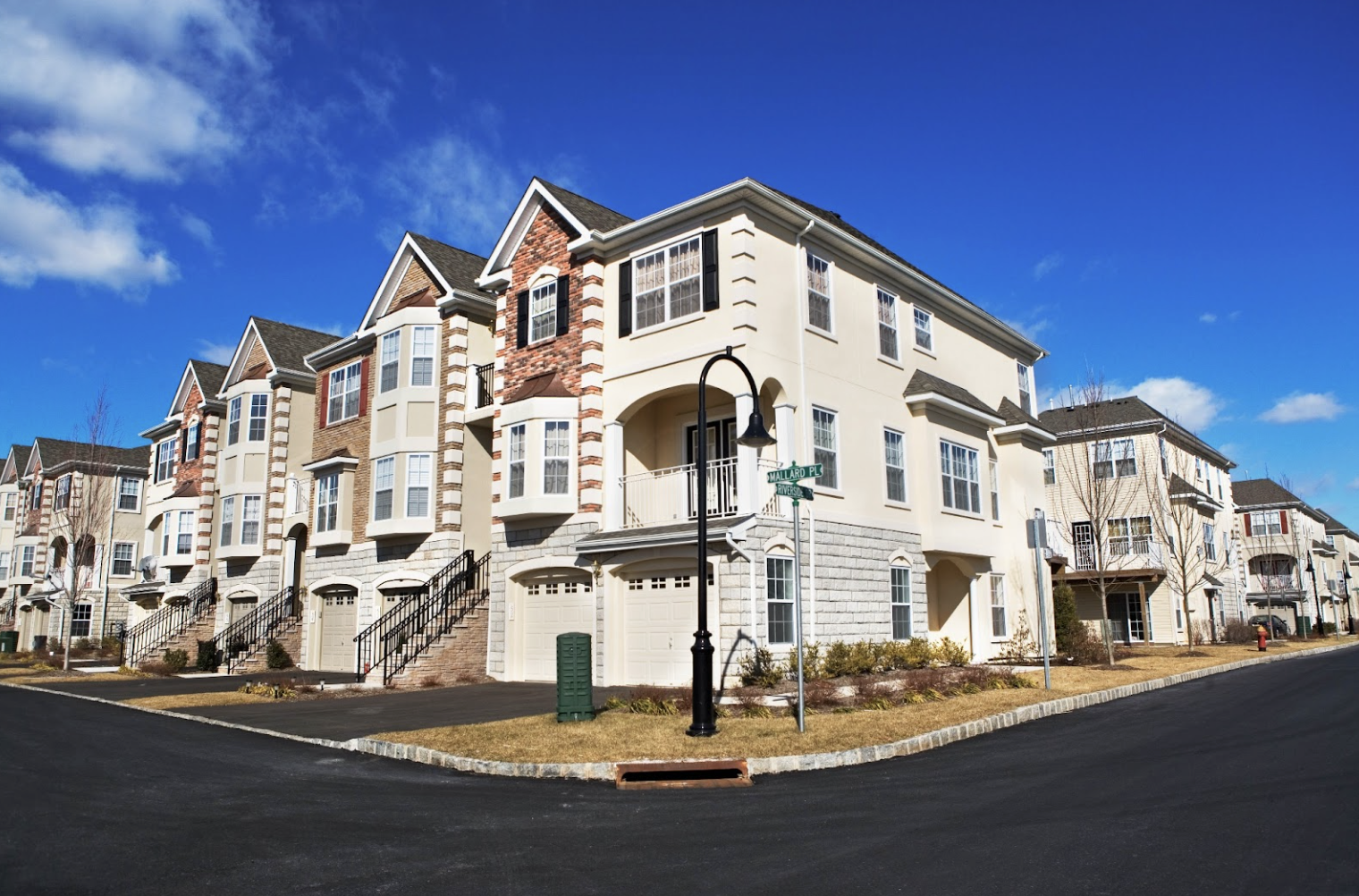
A townhome, or townhouse, shares at least one wall with another home. When you own a townhome, you typically have your own entrance and own the exterior of the home. Unlike owning a condo, owning a townhome typically means you also own a portion of the property around your home. So, while usually more affordable than comparable single-family homes in the same market, townhomes are often pricier than condos.
Some townhomes are also subject to the rules of an HOA. The HOA usually requires monthly dues for the upkeep of common areas and amenities. If you’re considering one, be sure to check so you can factor that into your decision.
3. Buying a multi-family home, such as a duplex or triplex
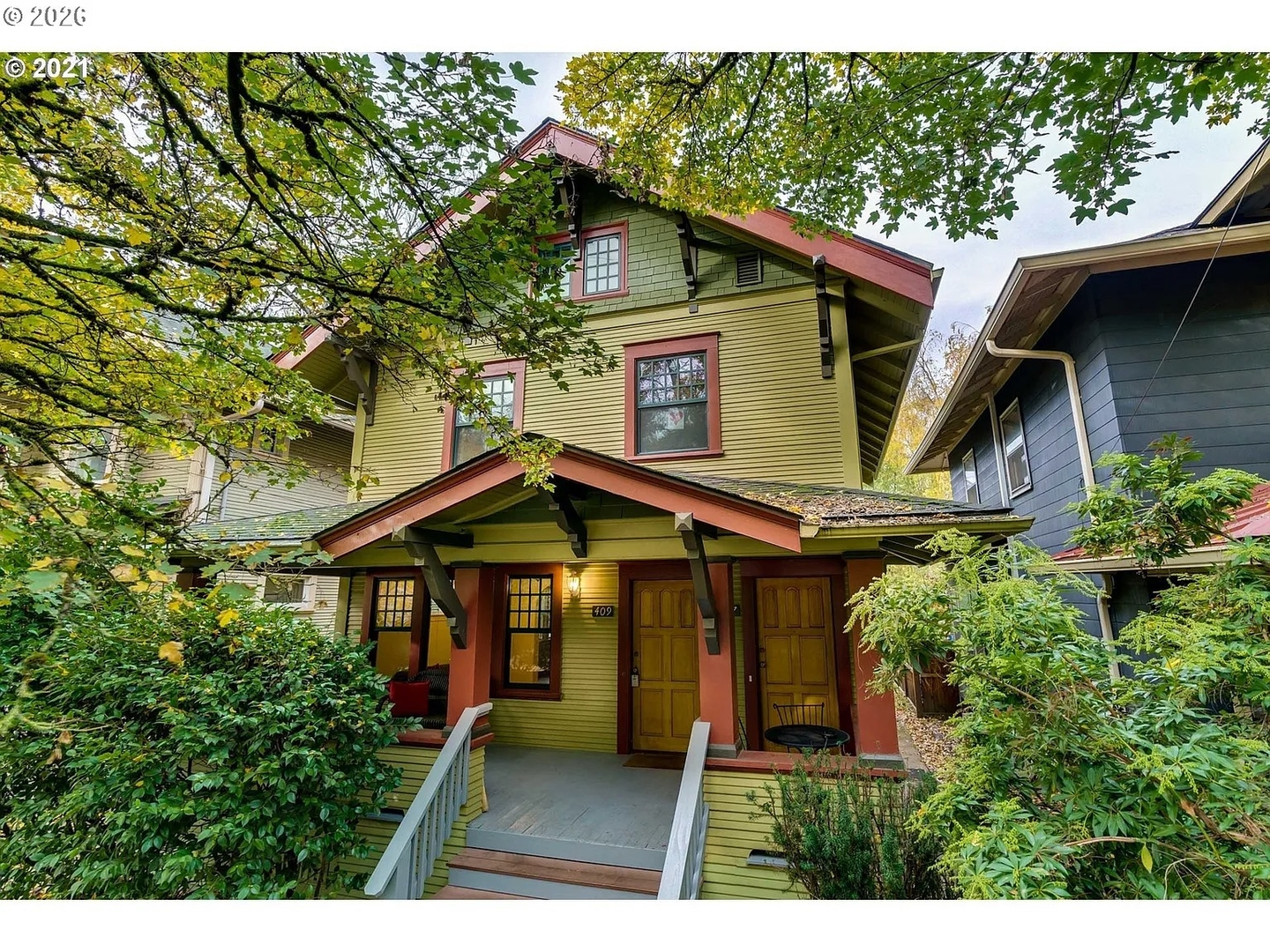
Multi-family homes allow you to live in one of the units and rent the other(s) to help pay the mortgage. Each unit is likely to have its own entrance, and shared walls, ceiling, or floors. While you’ll have less privacy than you would living in a detached single family home, you’ll also have the potential to rent out the entire property if your future plans change.
Alternatively, you don’t have to own the entire building. This duplex in Portland, Oregon, has two independent units, with only one listed for sale. The listing specifies that this unit includes “extra” rooms in the upper floor’s attic.
4. Accessory dwelling unit
Another form of multi-family unit is accessory dwelling units or ADUs, sometimes called mother-in-law units. ADUs can be attached or separate from the main home. They are typically smaller structures or units that share a yard with the main home. Buying a home with an ADU gives you the same benefits as a multifamily property. That is, the ability to live in either the house or the ADU and rent out the other to help pay your mortgage.
Find homes in your budget with BuyAbility℠
 Loading
5. Buying a tiny home
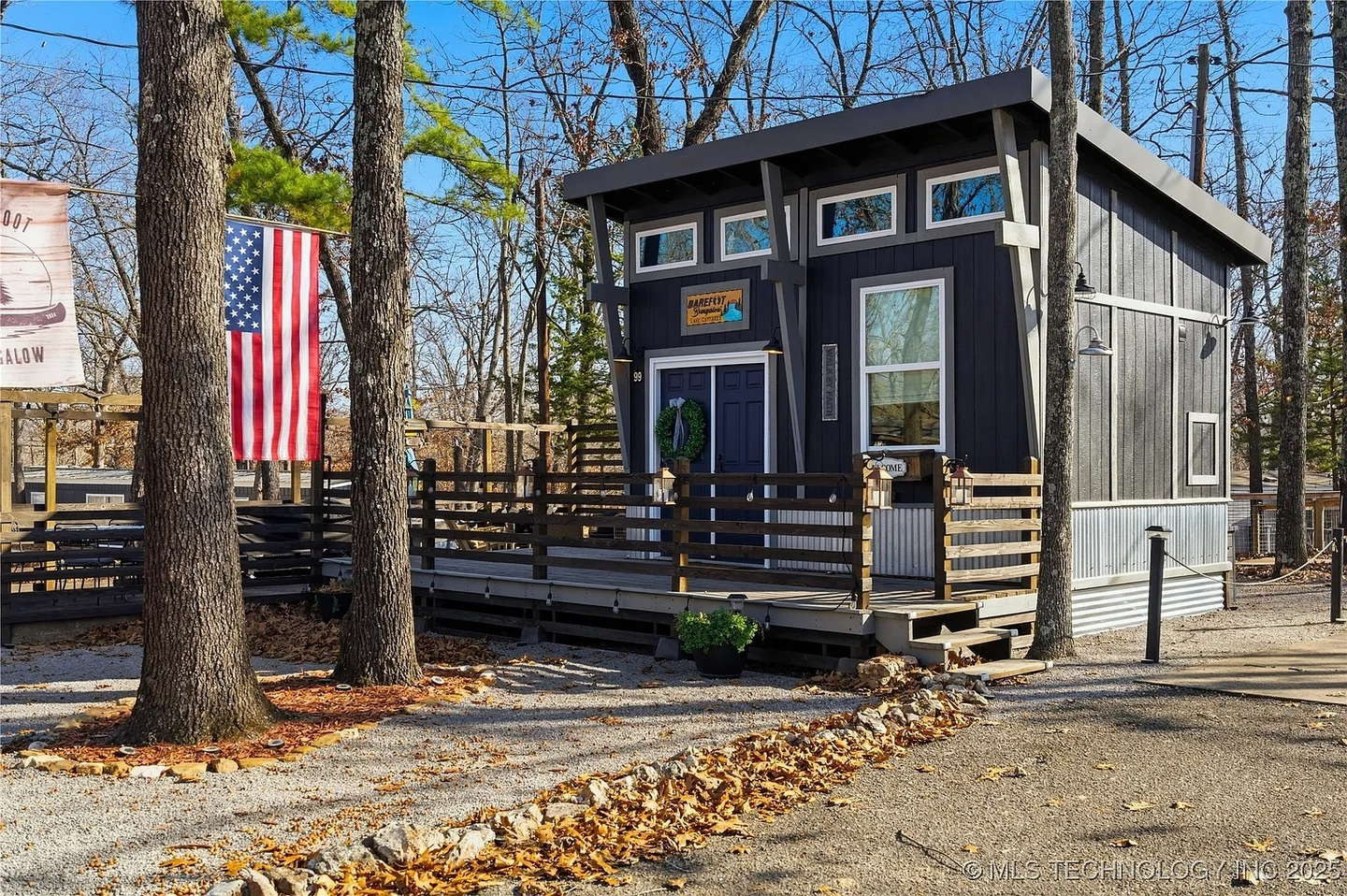
Tiny homes — often defined as houses under 400 square feet — have shifted from a niche lifestyle trend to a mainstream housing solution. These compact homes offer a middle ground for people who want the privacy of a detached house without the price tag; Tiny Living says prices can range from $25,000 to $50,000 or higher, while the typical U.S. home value is about $357,000 as of early 2026.
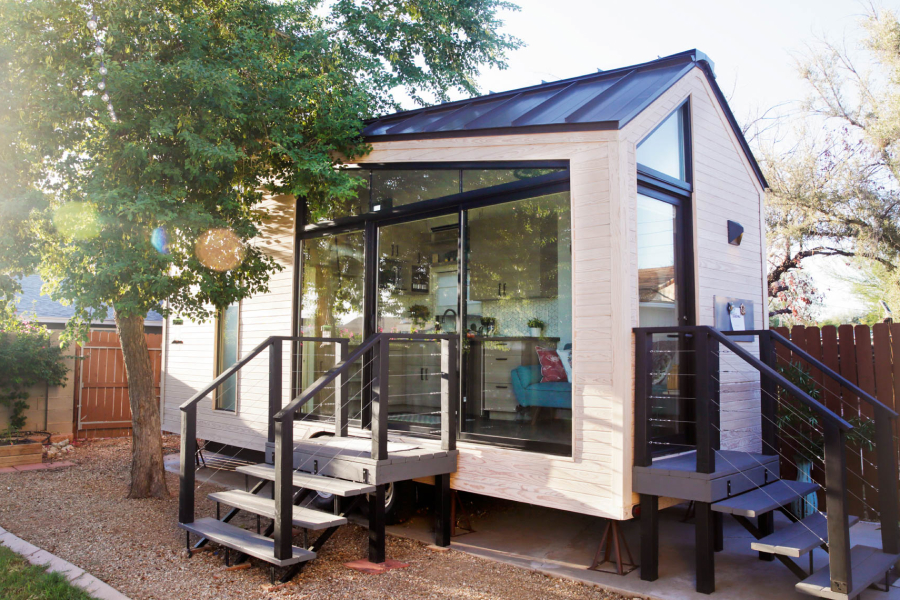
You can build a tiny house by working with a builder, use a pre-made kit, or find a pre-built tiny home on Zillow, like this 300-square-foot home in Oklahoma.
Whether built on a permanent foundation or on wheels for mobility, the tiny life can come with a trade-off: you gain financial freedom and a smaller environmental footprint, but you might have to navigate a complex web of local zoning laws and live in extreme minimalism.
6. Buying a co-op
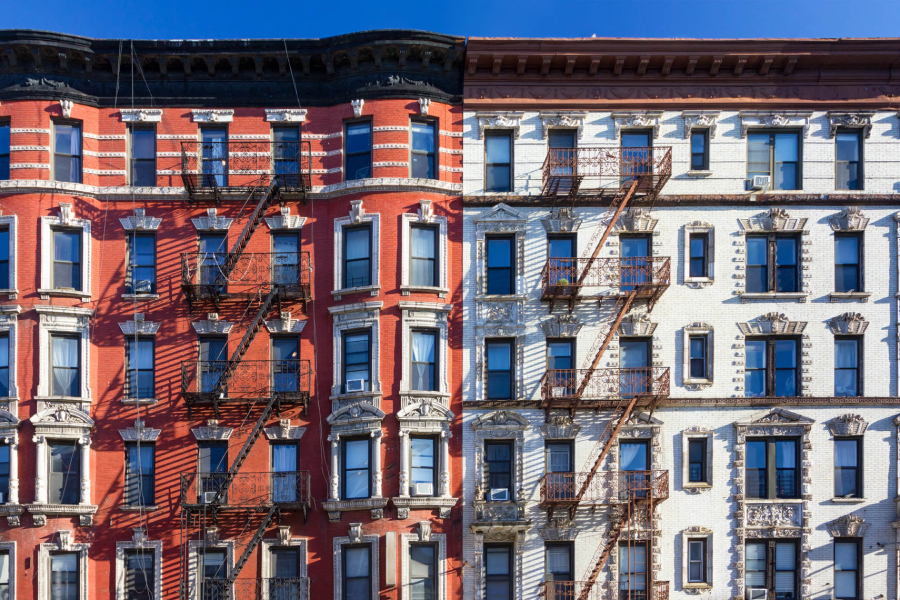
A cooperative apartment, or co-op, is a type of housing that is actually a corporation. Each resident owns a share in a corporation that entitles them to live in one of the units under a lease agreement. Co-op apartments are generally found in larger cities, and they tend to be less expensive than a condo. However, they may come with higher monthly ownership fees that you should consider when calculating the monthly cost.
7. Entering a tenancy in common (TIC) agreement

Tenancy in common agreements are a niche form of “fractional ownership” found in Los Angeles and San Francisco — two of the nation’s most expensive housing markets. With TIC agreements, buyers purchase designated space in a home or a unit in multi-family property with others they may or may not know. Legal agreements obligate the buyers to share property taxes and pay for other agreed-upon expenses with the other buyers. TIC agreements can allow you to reap the benefits of owning at a more affordable price than if you were buying the whole house. The potential downside is sharing common spaces and coming to agreement with the other owners.
8. Buying a home with friends
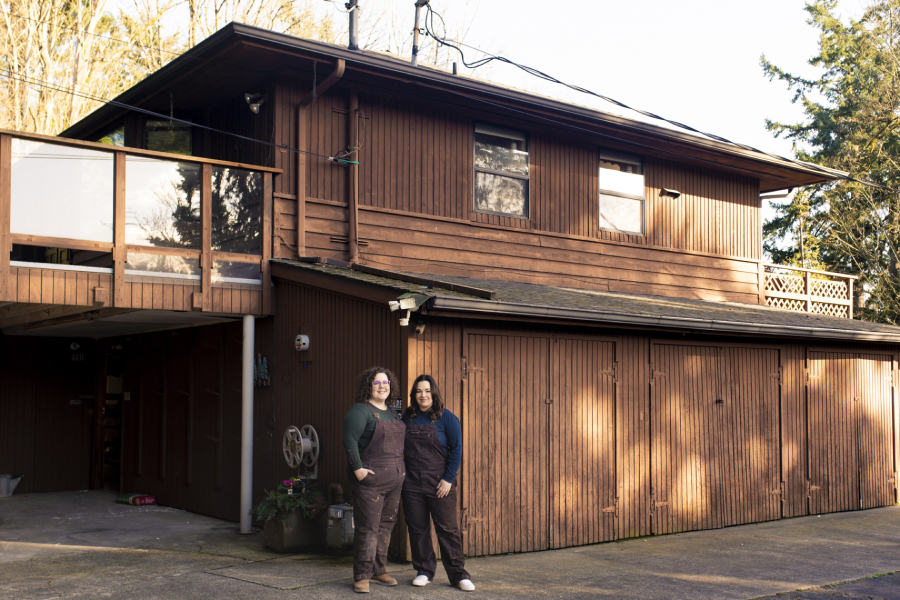
Buying a home with friends is exactly what it sounds like: Two or more friends buy a home to share. Co-purchasing could be attractive to first-time buyers because it allows for shared costs. This includes everything from the down payment and mortgage payment, to taxes, insurance and the costs of upkeep.
9. Purchasing a vacation home
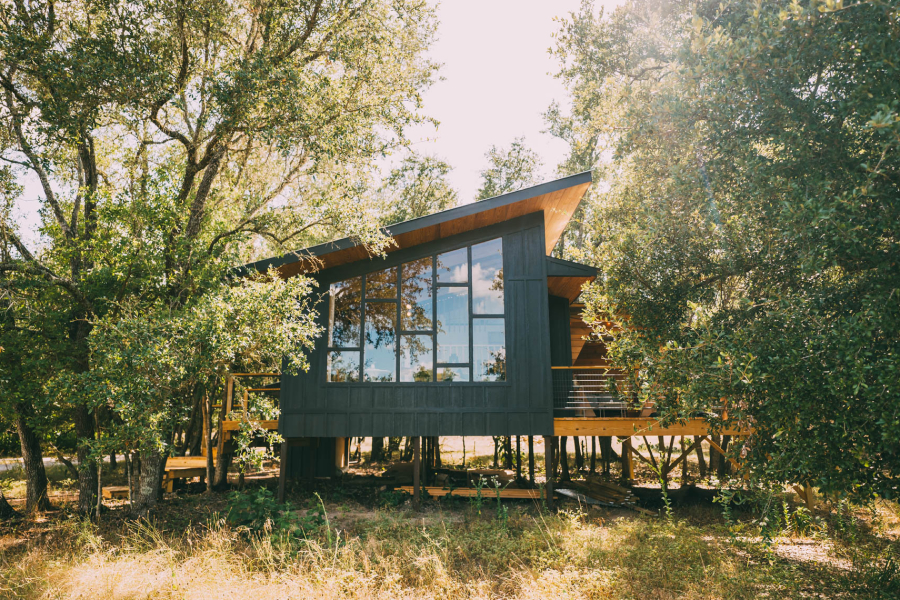
Buying a “second home” — either a part-time vacation home or investment property — could allow renters in expensive cities to become homeowners in less expensive locales before buying a primary residence to live in full-time.
10. Buying land

Depending on how much land you want to buy and where, as well as the size and type of home you want to build, buying a lot could offer a more affordable, DIY path to homeownership than buying an existing home.
On Zillow, you can find listings for areas as small as 1,000 square-feet to more than 100 acres. Some lots can include rivers, lakes, and even existing structures, like the pond in this 12.5-acre property in Oklahoma.
Owning land provides an opportunity to start small and add to your dwelling over time as your needs change. The downside to buying land and building or buying a home to put there is that there are more things to consider, such as zoning, building codes and land use.
Vacant lots often present buyers with the opportunity to take more time to search, think, and make a decision.
11. Buying a prefab or manufactured home
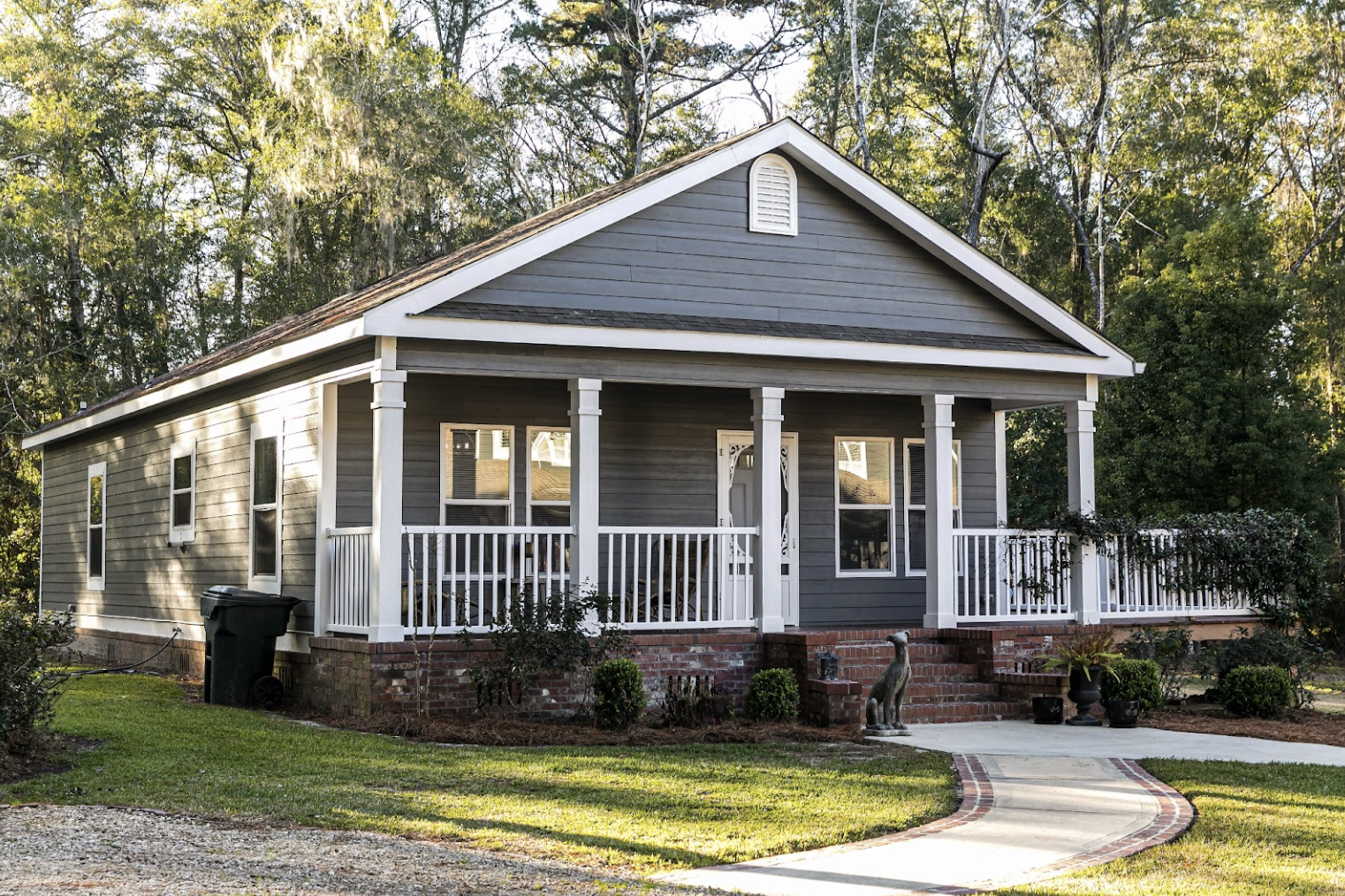
Manufactured housing has come a long way from the days of plastic cabinets. Today, you can buy just about any style of home in a manufactured format. They range from traditional mobile homes to cabins and designer structures you can buy on Amazon. Just make sure you’re buying a home that is allowed by your city’s planning or building department.
Still impacted by the price of land and the imbalance of housing supply and demand, the price of manufactured housing has risen significantly over the past three years, according to Zillow data. Median list prices for manufactured homes reached almost 30% annual growth right before the mortgage rate hikes entered the market in early 2022. Despite this, they’re still more affordable. The median list price for manufactured homes is still far below that of site-built homes.
When shopping for new manufactured houses and pre-owned models, check out a local retailer or dealership. Similar to shopping for a car, you can tour models on a lot much, customize your chooses and explore financing options, which can be tricky yet doable.
You can finance the purchase of a manufactured home just like a single-family home — with a traditional mortgage, including government-backed loans, as long as you own the land where the home will be placed. The home must also come with a red metal certification label. Lenders consider homes without land personal property, like a car. Lenders typically charge a higher interest rate for a personal or “chattel loan” if you qualify for one.
12. Building a shipping container home
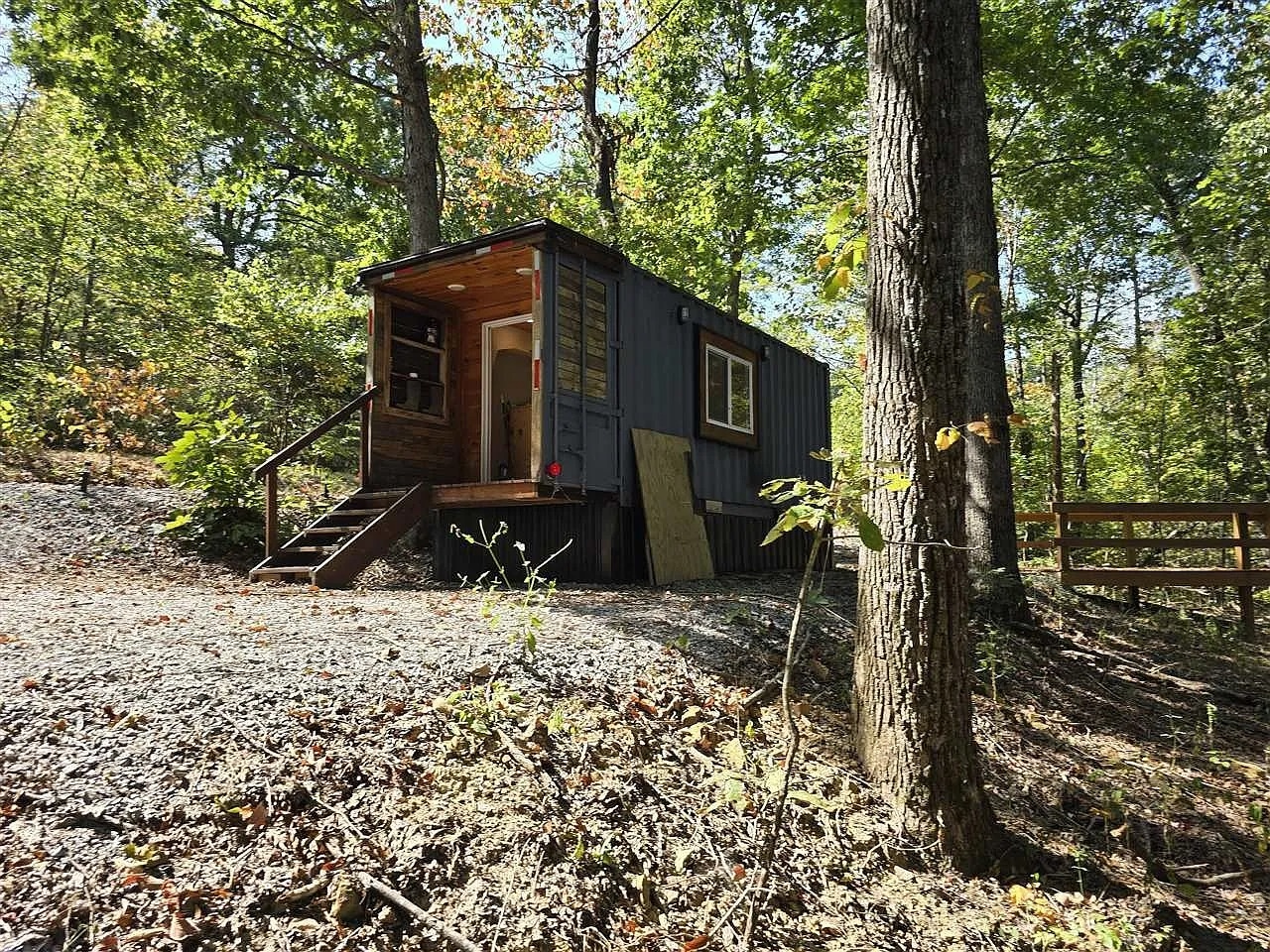
Shipping containers are simple structures that can be stacked, cut and arranged in seemingly endless configurations or used solo as a tiny house. Containers come in a variety of sizes — most commonly 10, 20 or 40 feet long and 8.5-9.5 feet high. They can be placed on land with a crane or unloaded from the back of a semi-truck.
You can find shipping containers for sale on Zillow, like this Kentucky home measuring 160-square-feet, listed for $94,900.
13. Making an RV, trailer or fifth wheel camper your home
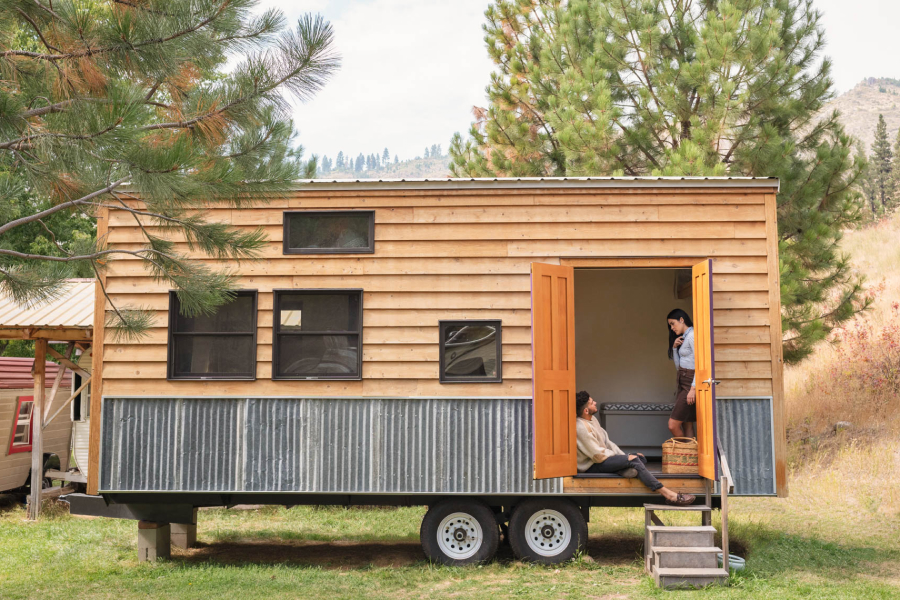
The style, variety and price of RVs, trailers and fifth wheels — those goose-necked campers that require a big truck to tow — allow you to choose your own adventure in whatever style you see fit. What these homes have in common is portability. Take your home with you while you travel the country or park it in a quiet spot in the woods.
14. Buying a floating home
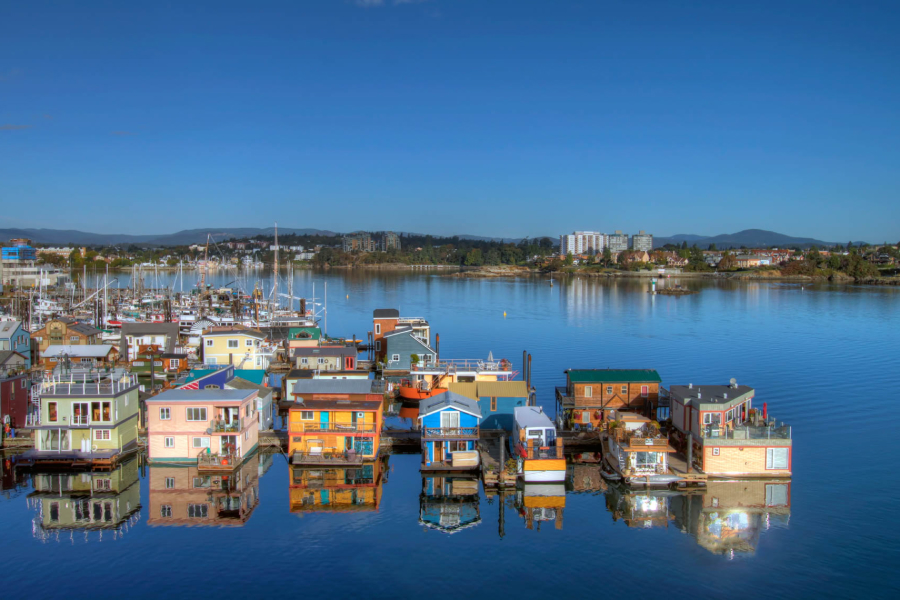
Made famous by the movie, “Sleepless in Seattle,” floating homes are often confused with houseboats. While they both float, they differ significantly. Owning a floating home is like owning a condo in that the owner pays HOA dues to maintain the dock and the slip. Floating homes are permanently connected to sewer, water and electrical. Once moored, they remain in place, while houseboats can be easily disconnected from utilities and moved.
15. Purchasing a yurt
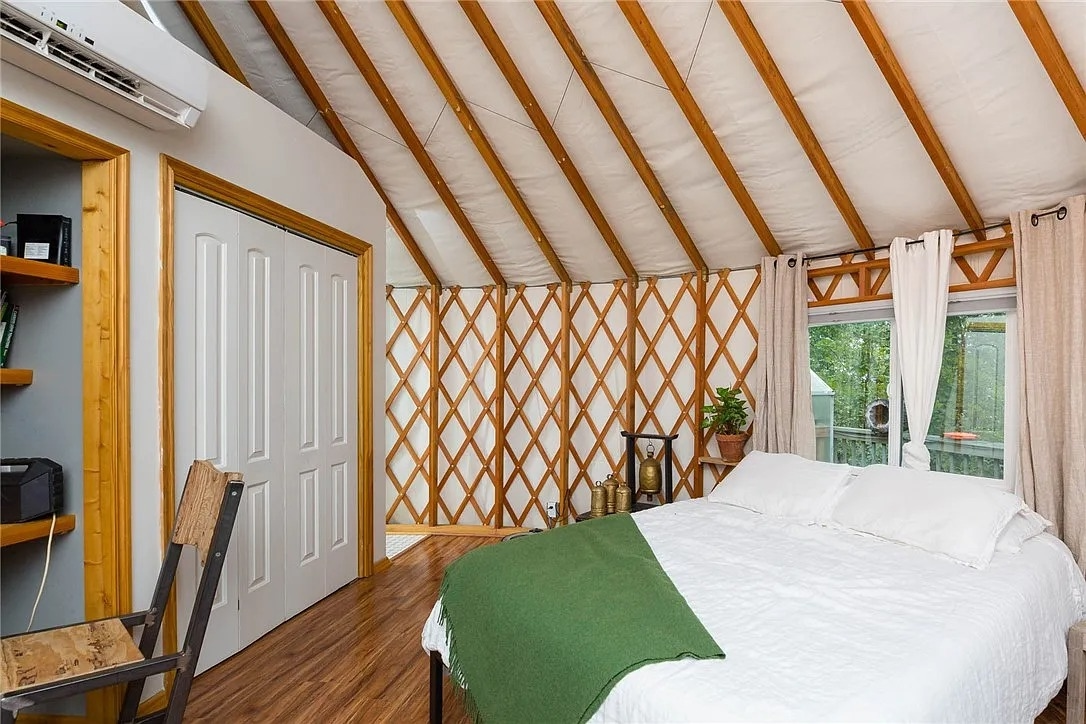
Yurts are squat circular structures with wood lattice walls that have provided housing for nomadic tribes in Central Asia for millennia. Available in the United States since the 1960’s, they come both in traditional forms and in modern versions made with glass windows, skylights, and weatherproof fabric. Prices vary considerably depending on the type of yurt you choose. The cost for a DIY yurt kit ranges widely depending on whether you buy a yurt kit (say that five times fast) or find a completed one on Zillow.
If you’d prefer to buy an existing yurt, there are various options around the country, like this one in Arizona, complete with a deck and an outdoor lounging space.
16. Buying into a Community Land Trust

Community land trusts are non-profit, community organizations that own land and lease it to people who either buy or rent a home on it. The arrangements typically contain a resale formula that ensures the house remains affordable when it’s sold.
17. Buying a fixer-upper
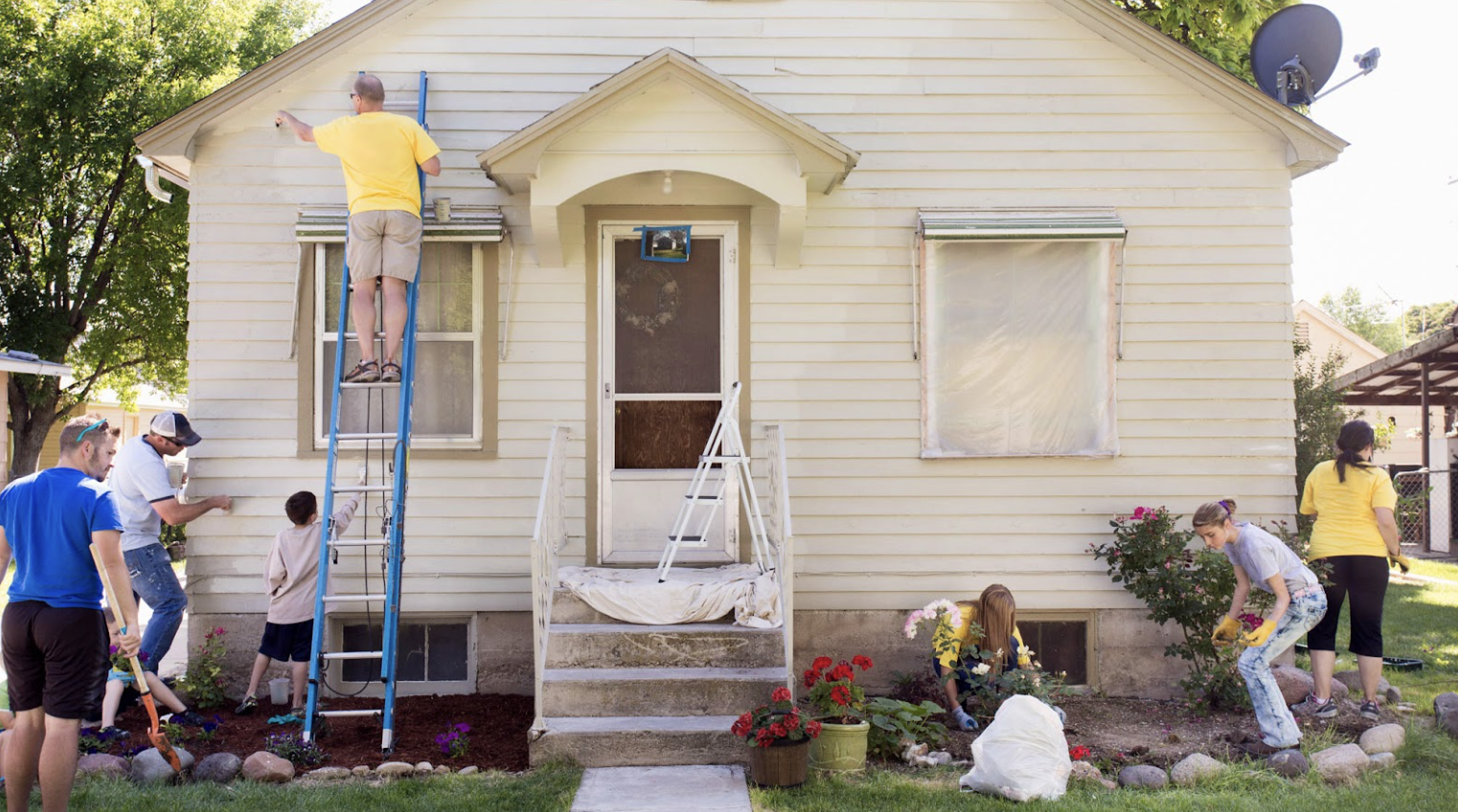
Buying a fixer-upper technically includes single-family homes, but can be a more affordable option — at least upfront. The nature and extent of the work required to make a fixer-upper livable greatly affects whether this is a viable option. If you can do much or most of the work, you could save a bundle. Buying a fixer-upper also could allow you to do the work over time while building equity while you live there. This option requires a certain amount of tolerance for chaos since parts of the house might be unusable while the work is being done. Try out our for-fun quiz to see if buying a fixer-upper could be a good fit for you.
18. Buy a live-work space
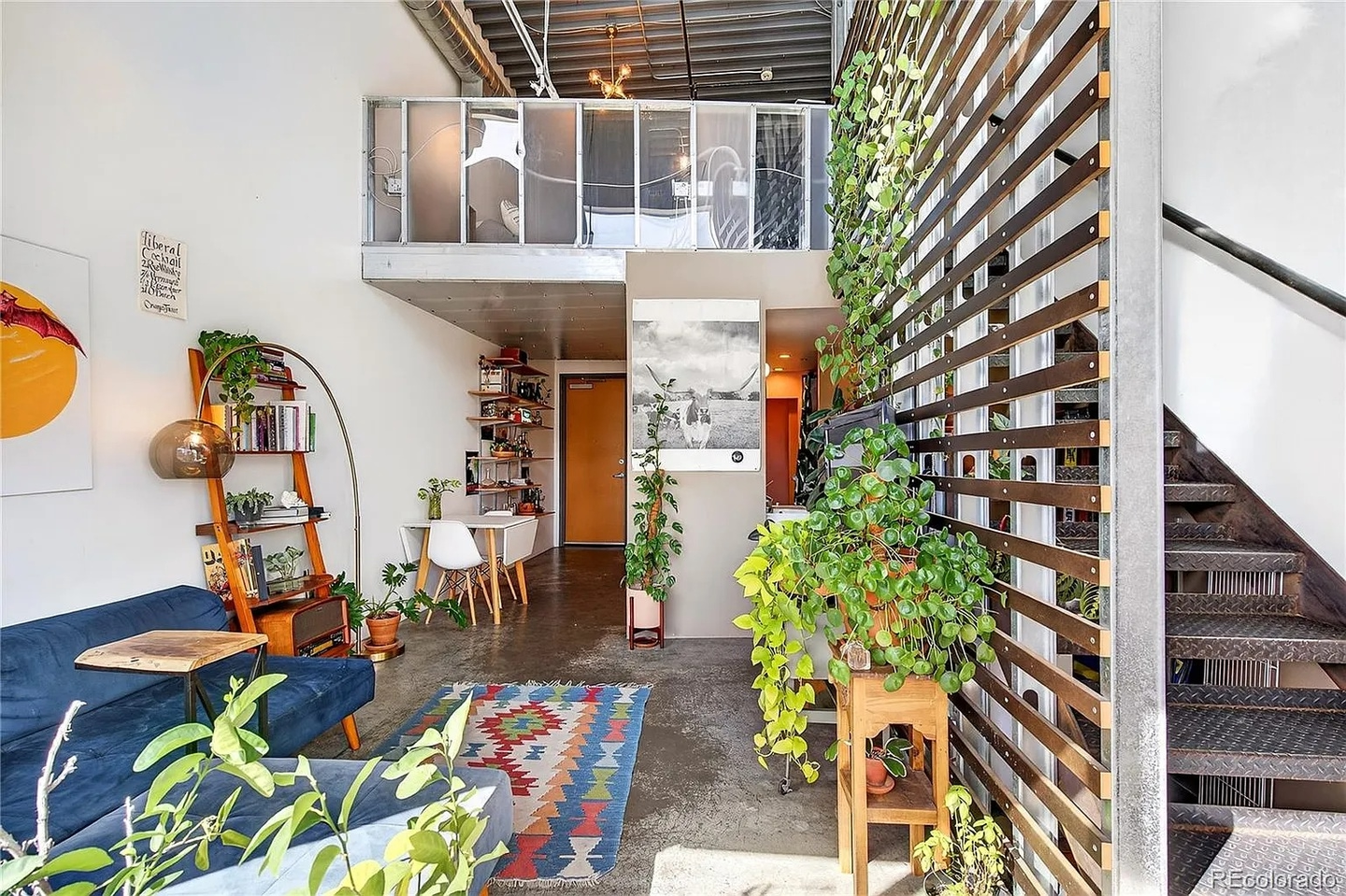
Originally popularized by artists in the 1970’s, live-work units are properties zoned for both residential and commercial use. Sometimes this could take the form of a multi-story building, with the work or business area on the first floor and the owner living above. In other cases, a live-work space could be a wide-open loft. These types of homes — especially lofts — are often located in converted industrial buildings (warehouses or factories) and offer massive square footage and high ceilings compared to a standard house.
If you run a small business, a freelance studio, or a shop, you could take this approach as a way to consolidate your mortgage into one payment. In Denver, there is an industrial-style building with various types of businesses on the first floor and housing on the upper levels.
19. Live in a van

Similar to tiny homes in their size, vans may be a good fit for frequent travelers. Buying a van as a full-time home usually means two options: you can fully customize its interior to fit your needs, or you can buy one that’s ready to go. Keep in mind that vans don’t often have showers or bathrooms.
While the lifestyle that van life offers (eliminates a traditional mortgage and property tax), it swaps those costs for fuel, specialized insurance, and constant parking logistics. You also won’t have a fixed address and will have to deal with the constant need to manage waste. But in exchange, you gain a backyard that can change from a national forest to a coastal highway overnight.
20. Order a 3D-printed home
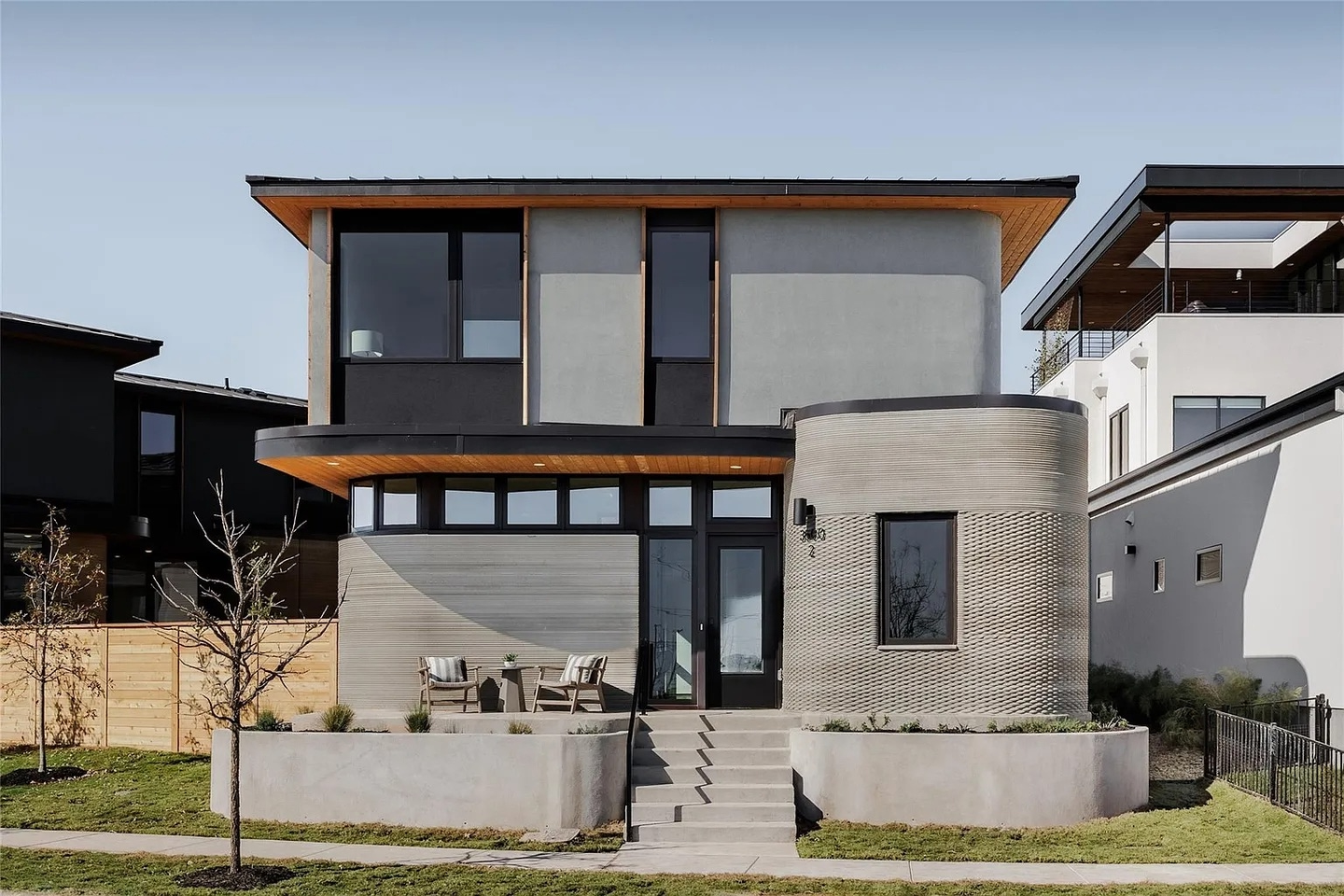
No, this isn’t a sci-fi solution. In recent years, 3D-printed homes have moved from experimental prototypes to a serious housing solution. These homes are created by using massive robotic gantries that pipe out layers upon layers of specialized concrete to make its walls. Creating the structural shell of a typical home this way can be done in as little as 24 hours, according to 3D home-printing company Cobod.
You can find 3D-printed homes in various shapes, sizes, and price points on Zillow. This Austin, Texas, home measures 1,600 square feet with a listing price of about $980,000, while this house in California measures about 900 square feet with a price tag of $375,000.
Beyond the price, the primary draw is the architectural freedom; since the robot follows a digital blueprint, curved walls and organic shapes that would be prohibitively expensive with a human crew cost exactly the same as a straight line.
Keep in mind that while the printing is fast, you still need traditional contractors for things like plumbing, electrical, and roofing. Plus, you'll need to confirm that your local building codes have caught up with this high-tech masonry and that 3D-printed homes are allowed.
Renting your home
A popular alternative to buying a house, of course, is simply renting your home. Depending on where and how you live, it may make more sense to rent. Renting does not tie you to a single location or unit for the long term. It also does not come with many responsibilities around maintenance or upkeep.
On the down side, renting does not offer the chance to build equity the way homeownership does. And the monthly cost of renting can go up whenever you sign a new lease, whereas, if you own a home with a fixed-rate mortgage, your monthly costs are set for years to come.
That said, the benefits of renting may be significant for you. To understand the financial trade offs of renting versus buying, check out our Rent-vs-Buy Calculator.
As you can see, there’s lots to dream about. For more types of homes, check out this guide.
How much home can you afford?
At Zillow Home Loans, we can pre-qualify you in as little as 5 minutes, with no impact to your credit score.
Zillow Home Loans, NMLS # 10287. Equal Housing Lender
Get pre-qualifiedA great agent makes all the difference
A local agent has the inside scoop on your market and can guide you through the buying process from start to finish.
Learn moreRelated Articles



Download the Zillow App
Don’t miss out on the right home for you — browse up-to-date listings, refine your search and more.
Download the free app