Top Deal Breakers When Buying a Home
While no home is “perfect,” hear from an agent on common red flags that deter buyers.

Written by Susan Kelleher on December 4, 2025
Edited by Jessica Rapp
We all have preferences for how we want to live, and what kind of house inspires joy, so there’s no hard and fast rules for when to walk away from a home. There are, however, common issues that might give you pause — or cause to walk away rather than settle for a home that’s less than ideal or that will drain your budget just to make it habitable.
Being clear about what you’re looking for in a home, and what things you can’t tolerate, can help you weigh your options. Hiring a good inspector can also help identify trouble areas. Making your purchase contingent on the results of home inspection can allow you to walk away or negotiate concessions if the inspection uncovers problems.
Meanwhile, here are some common red flags to think through before you start shopping and fall in love with a home that might not be the best fit for you now or in the future.
Less than ideal location
Living near a busy road or highway, or being next to a bustling business that runs late into the night could become bothersome if you value peace and quiet. And even while it’s possible to acclimate to noise, you may find it harder to find a buyer when it comes time to sell. Also, a home that’s located far from work, friends and things you enjoy could have you doing far more traveling than you’d like, says Antonia Mander, a Zillow partner agent with The Nickley Group in Orlando, Florida.
“I think sometimes people fall in love with a home on Zillow, but they might not necessarily know the areas,’’ says Mander, whose clients are often shopping from afar. “People should investigate the location because you can’t move a home. Take your time to find an area that you 100% love, not one that you're going to move to, and then in a year’s time be like, ‘Okay. We need to sell because this area doesn’t quite work for us anymore.’ ”
Problems with foundation or major systems
These are the kind of issues that cost thousands of dollars to fix to make the home safe and habitable. We’re talking things like:
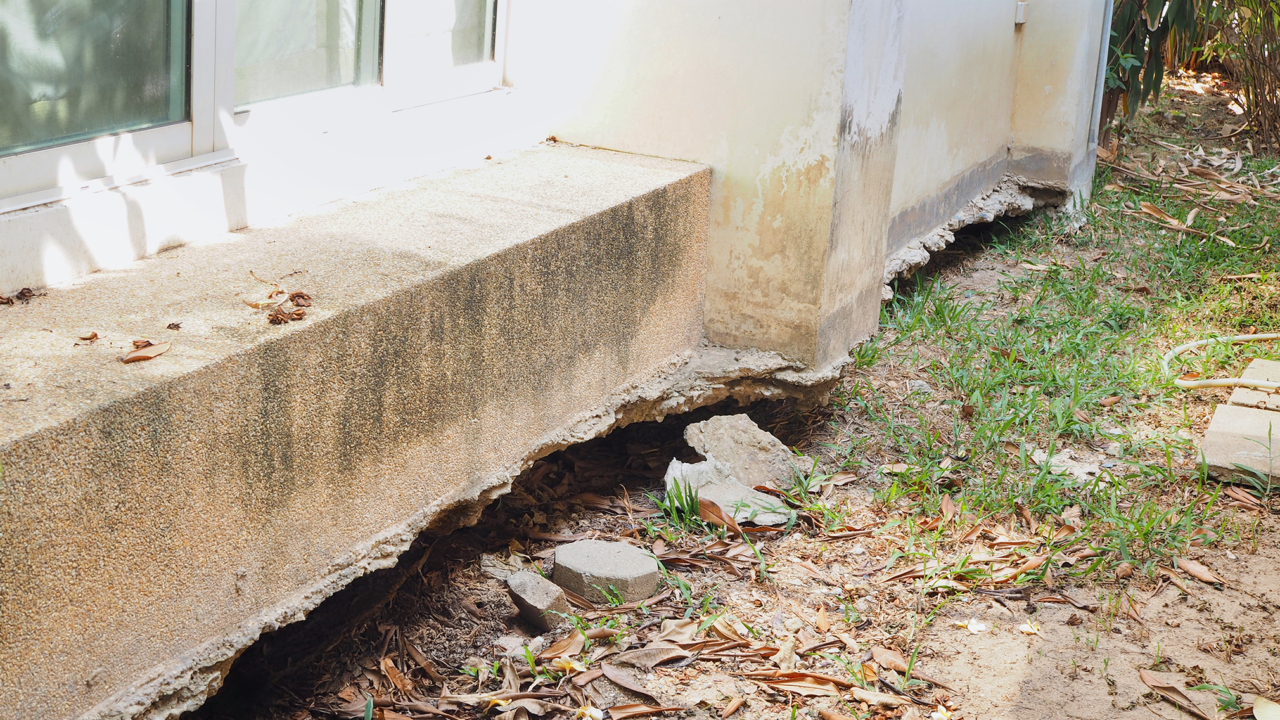
- A cracked or, sagging foundation
- Leaky roof
- Mold and other water-related problems
- Outdated electrical
- Old plumbing
- Blocked sewer line
While none of these is an automatic dealbreaker, a house that has many of these issues is likely to be a money pit. Unless you have advanced DIY skills or can negotiate with the seller to either fix the problem(s) or give you credit toward repairs, be prepared to open your wallet.
“Anything that’s going to be an insurance problem is the first thing I look for,’’ says Mander, citing things like roofs, AC systems, structural issues, water heaters, plumbing and electric, especially aluminum or cloth wiring.
Some issues are serious enough that the buyer’s financing could be jeopardized if they’re unable to get insurance, Mander says.
“Typically we want to get home insurance quotes and have insurance picked prior to the loan approval deadline, as this is our financing contingency and it’s how we can protect buyers’ earnest money if they are unable to get insurance,’’ she says.
A qualified home inspector and an experienced agent can give you more information about the seriousness of a problem and what it might cost to fix, she says. For instance, there’s no cheap fix for an outdated electrical system or polybutylene plumbing, but some foundation cracks might be small and related to usual settling. And what seems to be a roof leak could actually be caused by gutters that haven’t been cleaned out. Do your diligence so you know what you’re looking at.
Unpermitted work or DIY done poorly
Some work, including electrical, plumbing, roofing or structural changes, requires sign-off by a local government inspector. Getting work permitted by the city or county in which the home is located helps ensure that it was done according to health and safety codes. If unpermitted work is hidden behind drywall, tile, shingles or some other wallcovering, you won’t be able to tell whether it was done correctly. Sellers may be required to report unpermitted work under local laws, but disclosure requirements vary by location. Your inspector can help check that the work is permitted, and should be able to spot work that was done incorrectly. You can also check with the city or county building department to see if the seller got the required permits.
Pest infestation
Keeping a home free of termites, rodents, carpenter ants and other pests requires vigilance. Wood-eating pests can compromise the structural integrity of a home, while rodents left unchecked can get inside the walls and do damage to electrical wiring. Plus they can leave lingering odors that are difficult to remove.
“If you can smell a really strong smell, like animals or a mildewy mold smell, that can be a red flag,’’ says Mander. “It’s important for people to realize that, in some cases, you can rip out the carpet, but the smell could be deep in the home and might be really hard to get rid of.”
Lack of privacy
If you prefer peace and quiet and visual respite from other humans, make sure there’s enough space between homes or that walls/floors/ceilings have been built to tamp down noise from your neighbors. You can always build a fence or plant trees, but ultimately, you’re the only one who knows how much privacy you need to feel at home.
Asbestos
It’s easy to test for the presence of asbestos in a home, but removing it could be a costly affair requiring special remediation by a pro. Some vinyl floor tiles, usually installed before the 1980s contain asbestos, but those tiles only a pose a risk when they’re broken, cracked or deteriorating, in which case they can release asbestos fibers into the air. Talk to your home inspector about what it might cost to cover the tiles with carpet or underlayment before installing a new floor.
Radon
The only way to tell whether a home has radon, an odorless radioactive gas, is to test for it. You can do this yourself using a simple test you can buy at the hardware store, or you can hire a pro. If the test registers above a certain level, the federal Environmental Protection Agency recommends you undertake repairs. Repair costs vary, depending on a number of factors, including how your home was built, but tend to run about the same as other common home repairs, according to the EPA.
So while radon may sound scary, lowering the levels requires a pretty easy fix. If that’s not something you’re willing to take on, you’re looking at a deal breaker.
Basement flooding
The cause of the flooding – and the remedy – is likely to determine whether this is a deal breaker for most buyers. If the flooding is caused by water pooling around the foundation of the house due to misdirected downspouts or grading that slopes toward the house, the fix could be relatively straightforward. If the house is at the bottom of a hill, or if the water is coming in through a crack in the foundation or a blocked or broken sewer line, you could be looking at an expensive solution that involves repairing the foundation, moving a lot of earth, installing a sump pump and/or repairing the sewer line.
Wrong layout
“Beautiful homes aren’t always functional,’’ says Mander.
Sometimes a home lacks flow, or is configured in a way that doesn’t suit your lifestyle. (Think open floor plans or upstairs bedrooms that are difficult for a person with limited mobility to reach.) Sometimes those things can be remedied by either removing or erecting walls. But if a home requires structural changes in order for it to work for you, you could be looking at a very expensive project. If you like the location and the house is otherwise suitable, it may be worth it to you to undertake a remodel. In those cases, consider what it might cost to buy a home in a similar location that won’t need as much work.
Mismanaged HOA
Homeowners associations (HOAs) are responsible for common maintenance, which is paid for through dues or special assessments. HOAs that don’t have funding plans for repairs or don’t perform regular maintenance could saddle new homeowners with huge bills if the neglect results in leaks, structural issues or other problems.
As a potential buyer, you could be entitled to review the HOA’s financial records and meeting notes to get a sense of whether the HOA is well run, says Mander. A mismanaged HOA is a red flag. Whether the mismanagement is chronic or the HOA board is working to straighten things out could help determine whether it’s a deal breaker or something you’re willing to work through, even if it means joining the board or one of its committees.
Mander says your agent and your lender should be able to help you identify troubled HOAs through either a review of their financials or lists they maintain of HOAs that have previously been vetted.
Outstanding HOA dues
Unpaid dues by the previous owner may become your problem once you take ownership. If the amount is minor, and you can afford it, you’ll be asked to pay off the debt at closing. But if the dues and fines have been racking up, you could be asked to write a hefty check that leaves you with less money to make the place your own or fix other things that might need to be tended to.
Insufficient number of bedrooms and/or baths
Additions and remodels are expensive, so if the home you’re looking at doesn’t have the bedrooms and baths you want or need, it might be best to keep looking. That said, some homes have bonus rooms, dens, basements, even garages, that can be converted to bedrooms at a pretty low cost. This could be a deal if the home is affordable and otherwise meets your needs.
Doesn’t have preferred source for utilities
This is primarily an issue related to heating and cooking. Some people prefer electricity; others prefer natural gas or oil. Switching up the energy source you use for either can be expensive, depending on the situation. For example, a simple extension of an existing natural gas line can run a few hundred dollars, while installing a new connection from your home to the street can run thousands. In addition, you’ll have to buy new appliances, an expensive proposition if you’re looking at a heating system, hot water heater and kitchen range.
Not connected to city water or sewer
If you’re used to turning on the water or flushing the toilet without giving much thought to where the water comes from or goes, it may be a bit of a shock to suddenly find yourself running your own well and septic system. Wells can go dry, and septics require regular maintenance to function properly. If you’re not up for staying on top of those things, that could be a deal breaker.
Has a swimming pool — or lacks one
People tend to either love their pools or want nothing to do with them. Installing a pool can run you thousands, and require routine maintenance and vigilance when it comes to safety. The work may be worth it for you if you love the lifestyle that comes with a pool. Tearing one out or filling it in is an option, but that’s going to cost you, too. There are lots of pros and cons to consider, and your preferences are going to be the deciding factor on whether the presence of a pool or the lack of one is a deal breaker for you.
High property taxes, utility costs
Property taxes and utility costs can add quite a bit to your monthly payment. For-sale listings on Zillow show estimated costs for utilities and taxes, which vary widely around the country. If the costs push you past your comfort zone, you could consider switching to more efficient heating/air conditioning systems to cut down on your monthly costs. If that’s a deal breaker, you might consider a smaller, less expensive home, which means lower property taxes.
Insufficient storage
If the home you’re eyeing doesn’t have enough room for your stuff, you have a few choices: Start paring down your things, rent a storage space or add a shed. If none of these options are palatable, think about how you’ll feel living in a home that feels overstuffed.
Not enough natural light
If you prefer your home on the dark side, this is obviously not an issue. But if you thrive on natural light, there are ways to bring in more that aren’t that costly. For one, there are mini sky lights you can buy for a few hundred dollars that bring light in from the roof into a room through the ceiling. Depending on the composition of your roof, these can be a relatively cheap fix. You also can add windows, which is a more involved project that could add up depending on the type of siding you have. The dimness also may be related to tree cover so removing some plants could also bring more light into your home.
Low appraisal
This is a tough one. If your lender determines that the value of the home you want to buy is worth less than the seller is asking for it, you’re either going to have to bring more money to the table, negotiate a new price with the seller or walk away. That’s hard to do, especially since you liked the house enough to get to the point where you’re ordering an appraisal.
Talk to your agent and your lender about your options, and try to stay positive. It may take a while for you to find the perfect — or perfectly imperfect home. Knowing what you absolutely won’t compromise on can help make the decision to walk away or figure it out a lot easier.
A local agent can help you stay competitive on a budget.
They’ll help you get an edge without stretching your finances.
Talk with a local agentRelated Articles


A local agent can help you stay competitive on a budget.
They’ll help you get an edge without stretching your finances.
Talk with a local agent