A Tiered Guide to Energy-Efficient Upgrades
Lower your utility bills and boost your home's appeal to buyers with these high-impact upgrades, from insulation to smart tech.

Written by May Ortega on February 18, 2026
Edited by Jessica Rapp
It’s reasonable to want a home that’s cool in the summer, cozy in the winter, and affordable year-round. But as many homeowners know, the costs of maintaining these comfortable conditions can fluctuate, often driven by the energy required to make it happen. In fact, the hidden costs of owning a home can be as high as $16,000 a year. The right updates could help you keep those costs down.
The good news is that energy efficiency isn’t an all-or-nothing investment. Whether you have 20 minutes and $20, or you’re ready to overhaul your home’s major systems, there’s more than one way to reduce your monthly overhead — and your carbon footprint.
Pro tip: The U.S. Department of Housing and Urban Development offers loans for first-time home buyers to fund energy efficient home improvements.
Here are some options for upgrading your home’s efficiency, in order of price and effort:
Tier 1: Quick, affordable, and easy
You don’t need a contractor to start lowering your utility bills. These quick tips focus on stopping energy waste at the source with simple DIY fixes like changing out your lightbulbs and updating your thermostat settings.
Seal the leaks
Drafty rooms are more than just an annoyance; they are a sign that your heated or cooled air is escaping. You can stop this by using exterior-grade caulk to seal gaps around window frames and door casings. If the issue is coming from your doors, try installing a simple rubber or brush sweep at the bottom of exterior doors to block air from rushing in underneath.
Air can even leak through your electrical outlets. In this case, adding small foam gaskets behind the faceplates on exterior walls is one of the most cost-effective ways to tighten up your home and save you some cash. Altogether, you can solve most of these issues for less than $20 depending on materials.
Update your showerhead
Switching out your showerhead can help you use less water, less electricity, and save on the bills. According to the Environmental Protection Agency, standard showerheads use about 2.5 gallons of water every minute. The agency suggests looking for versions of this product that have a “WaterSense” label, as they use no more than two gallons a minute and could save the average family up to 2,700 gallons a year. And the less water you use, the less heat you need, and the more money you keep in your pocket. Specifically, the EPA estimates the average family uses 11 days’ worth of electricity on heating water every year. These efficient showerheads range in cost from $15 to over $100.
Program your thermostat
The most efficient way to run your home is to not treat it like someone is always there. If you already have a digital thermostat, use its built-in scheduling function to automatically adjust the temperature by five to 10 degrees when you’re at work or asleep. Consistent scheduling is one of the fastest ways to see a dip in your monthly energy statement without spending a dime.
Combining thermostat scheduling with air sealing and insulation could save you as much as 30% on your annual energy bill and make your home more environmentally friendly, according to the U.S. Department of Energy.
Switch to LED lighting
If you’re still using older incandescent bulbs, you’re paying for heat, not just light. The Department of Energy says about 15% of the typical home’s energy costs come from lighting. The department also says LEDs use up to 90% less energy and can last up to 25 times longer than incandescent bulbs, potentially saving homeowners about $225 a year. On top of money saved, this also means fewer trips up the ladder to change hard-to-reach ceiling lights.
Plus, modern LEDs offer a range of color temperatures. You can choose a daylight tone for your home office to help you stay alert, and warm white for the living room to keep things cozy.
Use your ceiling fans
Ceiling fans are one of the most underrated tools in many homes’ efficiency toolkits. While they don't actually lower the temperature of a room, they move air across your skin, making you feel cooler. Using a fan lets you raise your thermostat by a couple degrees without breaking a sweat, and that could lead to a drop in cooling costs. Just remember that fans cool people — not rooms — so switch them off when you leave and save even more energy.
This tip is helpful in the colder months, too. When it’s chilly, reverse the motor so the blades spin clockwise. This pulls cool air up and pushes the warm air trapped at the ceiling back down into the room.
Use a dehumidifier
High humidity can make warm rooms feel even hotter. When the air is thick with moisture, your body can’t cool itself as well, so you might crank your A/C lower than it might need to be.
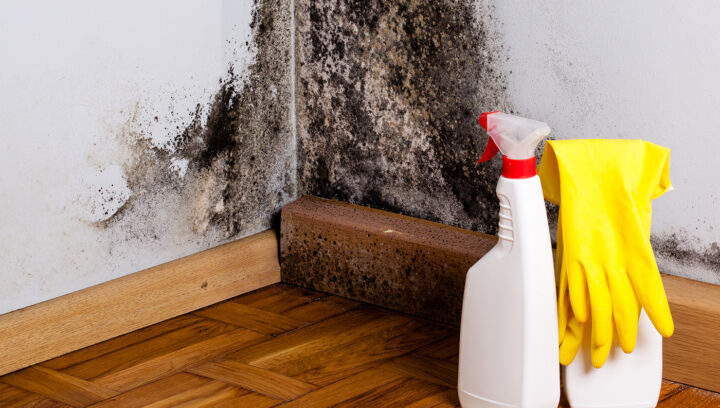
Running a dehumidifier — especially in basements or damp climates — can help you keep the thermostat at a higher, more efficient setting while remaining perfectly comfortable. Plus, the less humid your home is, the less likely your home is to develop problematic mold. And dehumidifying your home doesn’t have to be expensive; small models start at $20 and higher-end options can go into the low hundreds.
Tier 2: Moderate investment upgrades
These upgrades improve some deeper facets of the house, making it a more comfortable place to live. Plus, energy-efficient features are getting more popular with home buyers every year, so these upgrades could benefit you when you sell your home down the line.
Insulate the attic
If your home’s temperature fluctuates wildly between floors, your attic may be the culprit, especially if your home is more than 30 years old. According to home energy efficiency company Sealed, fiberglass and cellulose insulation last three decades at the most. Other types, like spray foam, can last upwards of 80 years. According to home improvement site Thumbtack, it costs an average of about $2,000 to insulate an attic.
Proper insulation serves as a thermal barrier, keeping the heat in during the winter and out during the summer. It is arguably the single most effective upgrade you can make to reduce the load on your HVAC system. Adding more insulation — whether fiberglass batts or blown-in cellulose — can pay for itself in energy savings relatively quickly.
Pro tip: Energy Star says if you can see your floor joists in the attic, you don’t have enough insulation.
Upgrade to a smart thermostat
There are various approaches to make your home more energy efficient and more sustainable. A smart thermostat takes some of the guesswork out of the efficiency part. These devices learn your routine (i.e., when you tend to be home and warm things up) and adjust themselves automatically, ensuring you don’t unintentionally heat an empty house. Plus, you can adjust your home’s temperature from your phone — a modern luxury that also happens to be a great efficiency tool. These devices cost anywhere from $80 to $300.
Just keep in mind that installing a smart thermostat may not be easy for an older home. Upgrading old wiring so you can install smart tech can be expensive or difficult, so you may want to reach out to a pro — like an electrician — for more advice.
Pro tip: Some local utility companies offer rebates for smart thermostats, significantly lowering the initial cost.
Replace outdated appliances
As appliances age, important parts like motors, seals, and sensors degrade, which means the machine might run longer or more frequently to achieve the same result as a newer model. When it's time to replace a refrigerator or dishwasher, look for the Energy Star label. These appliances are engineered to use less water and electricity without sacrificing performance. Buying new appliances can also mean a major lifestyle upgrade, making daily chores quieter and more efficient. And if you choose to include your appliances in your home sale, that could be the factor that convinces a buyer to make an offer, as Zillow data shows that homes featuring new appliances sell for almost 3% more than homes that don’t.
Tier 3: Major investment upgrades
While these tips require more money upfront, they can save you on your energy bills in the long term. Plus, they may offer a good return on your investment when you go to sell, with some of these upgrades even becoming more popular with buyers.
New windows and doors
Windows are essentially holes in your home’s insulation. If they are single-pane or decades old, they are likely your biggest source of energy loss. Replacing these with modern double- or triple-pane windows use layers of gas to create a buffer against the outside world. And it can benefit you when you sell, too. According to the Journal of Light Construction's Remodeling 2025 Cost vs. Value Report, installing new vinyl windows has a 76% return on investment.
Beyond the energy savings, new windows significantly reduce outside noise and eliminate the cold spots that make sitting near a window uncomfortable in the winter.
HVAC system replacement
The heating and cooling system is the most expensive mechanical component of most homes. If yours is over 15 years old, an upgrade could be transformative. A new system means lower maintenance costs and the peace of mind that you won't be dealing with an emergency breakdown during a heatwave. Just know that it can be pricey. Thumbtack says the average cost for a new HVAC system is about $12,000.
Meanwhile, high-efficiency heat pumps are becoming the standard for modern homes, which Thumbtack says costs just under $4,000. Traditional heating systems are usually combustion-based and use natural gas, propane, or oil furnaces for heating. And they’re often paired with a separate air conditioning system for cooling. Compared to older heating systems, heat pumps are far more efficient at both heating and cooling by moving heat instead of burning fuel to create it.
Solar panels and whole-home batteries
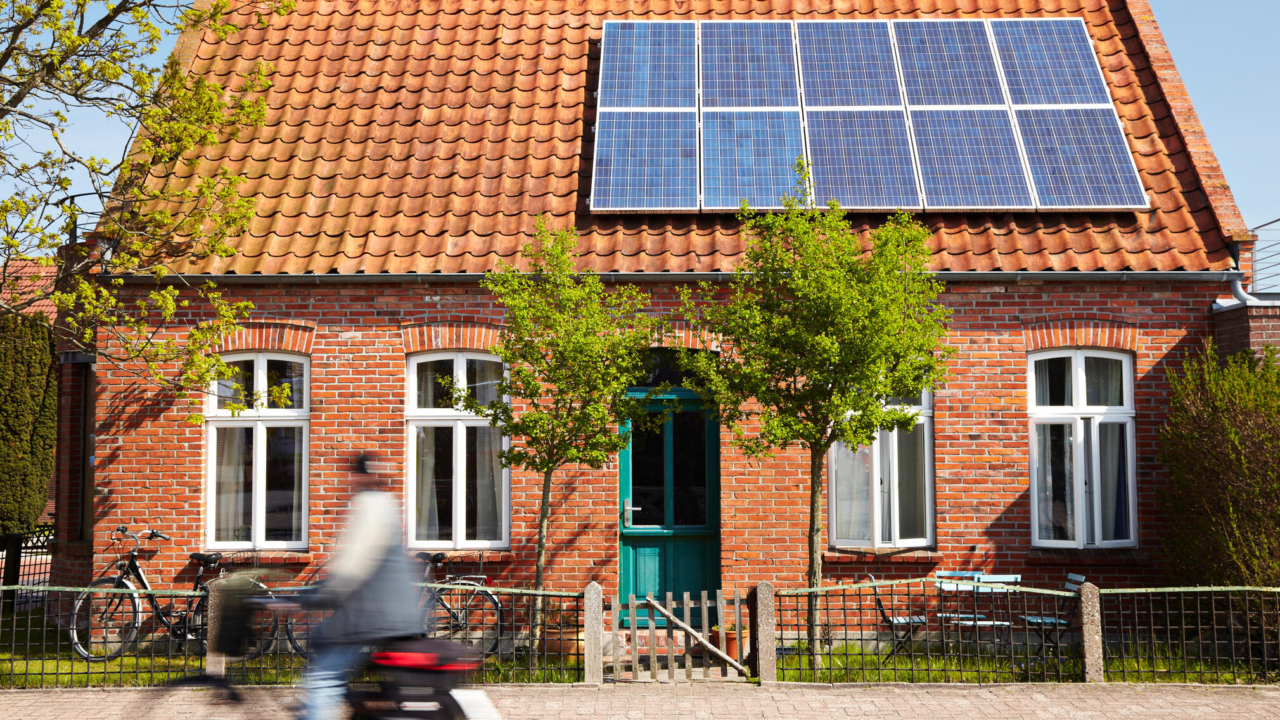
Solar is a popular energy efficiency home feature with installation costs ranging from $6,500 to $34,000, depending on the brand and number of panels you choose. By generating your own power, you could protect yourself from rising utility rates. Though keep in mind that solar panels may be a better option for you if you live in a sunny place compared to one that sees a lot of cloudy days; no sun, no power.
You can also pair your panels with a whole-home battery, which allows you to store energy for use at night or during power outages. Home listing mentions of “whole-home batteries” rose by 62% in 2024, and another 40% in 2025, suggesting buyers have become more interested in this solar energy add-on.
Remember that upgrading your home’s energy efficiency is about creating a space that is cheaper to run and more enjoyable to live in. Whether you start with a roll of weatherstripping or a set of solar panels, you are making an investment in your own comfort and your home’s future.
©2025 Zonda Media, a Delaware Corporation. Complete data from the Remodeling 2025 Cost vs. Value Report can be downloaded free at www.costvsvalue.com.
Related Articles