7 min read
How to Pick a Home Inspector

Written by Jennifer Lyons on November 21, 2025
Reviewed by Jeff Rankin, Edited by Alycia Lucio
A home inspection is more than just one more box to check before finally closing; it’s also a major safety net and a way to guarantee your peace of mind over such a large purchase. But, here’s the key: the value of a home inspection relies fully on the person completing it.
A skilled inspector is someone who will provide a wholly unbiased assessment of the property and will flag issues you may never notice during a showing. From the roofline to the foundation, their comprehensive assessment should give you the clarity you need to make a confident decision about the home you are looking to purchase. But how do you choose the right inspector? Here’s a step-by-step guide to help you find a professional who fits your needs.
What is a home inspector?
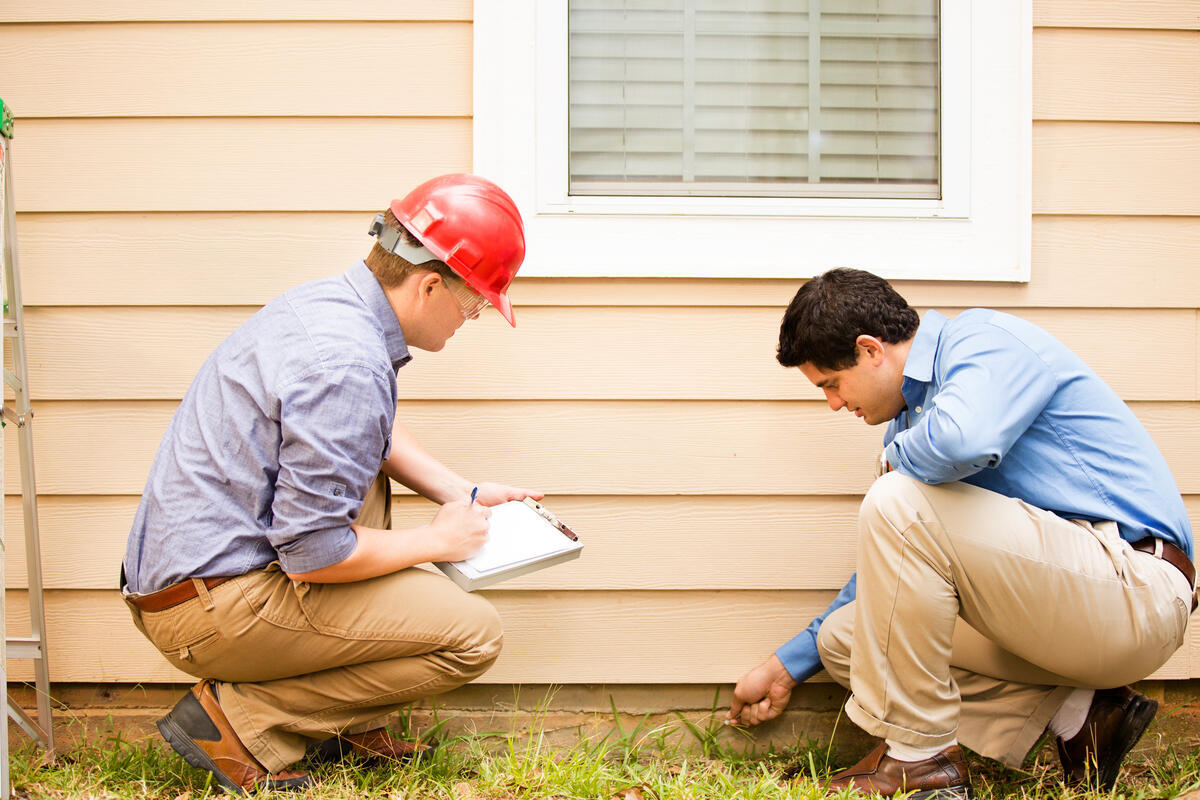
A home inspector is a licensed or certified professional who examines a home’s major systems and structures. Their job is to evaluate everything from plumbing and electrical systems to the roof, attic, basement, and more. At the end of the inspection, they deliver a detailed report outlining current conditions, safety concerns, and potential repairs needed. You can explore what’s typically covered in a home inspection to get a sense of the process before you book one.
Step 1: Ask for referrals and read reviews
Referrals are often the fastest way to connect with a reliable inspector. Real estate agents work with inspectors regularly and can recommend professionals with solid reputations. However, it’s wise to do your own vetting, since an agent’s preferred inspector may have an interest in keeping the transaction smooth rather than flagging potential deal breakers. Friends or family who’ve recently bought homes can also share firsthand experiences.
Once you have names, research them. Online reviews offer valuable insight into professionalism, communication, and timeliness. Look for feedback on trusted databases like the American Society of Home Inspectors (ASHI), Better Business Bureau (BBB), or the International Association of Certified Home Inspectors (InterNACHI), in addition to general review platforms. To simplify the process, you can search for home inspectors in your area on Zillow and compare ratings all in one place.
Step 2: Verify certifications, licensing, and insurance
If you live in a state that requires home inspectors to have certification, you’ll want to confirm your candidate holds the proper credentials. Look for their name in the database of InterNACHI.
Even in states that don’t require home inspectors to hold a license, many belong to nationally recognized organizations like the American Society of Home Inspectors (ASHI) or the International Association of Certified Home Inspectors (InterNACHI). Membership often indicates a commitment to training, ethics, and continuing education. Some inspectors also join state-level associations, which can provide additional standards or region-specific expertise.
It’s also important to check whether the home inspector carries insurance to protect you from financial loss should they make a mistake. There are two types of insurance:
- Professional liability insurance: This is also known as errors and omissions (E&O) insurance, and it protects you if they overlook a major problem with the home.
- General liability insurance: This covers accidental property damage or bodily injury during the inspection.
Not all states require inspectors to carry insurance, but an inspector who readily provides proof of their policy is likely a reliable and professional candidate for the job.
Step 3: Consider experience and specializations
Ask potential inspectors about their experience with homes similar to yours. A 1920s craftsman has different needs than a new construction build, and a rural property may include wells, septic systems, or outbuildings that require specialized knowledge.
Some home inspectors also offer add-on services like radon testing, sewer line scopes, or mold assessments. These can save you from hiring multiple professionals. If you’re not sure which services you’ll need, working with an agent can help you match with someone who covers all the essential areas for the specific home you’re buying.
Step 4: Ask the right questions
Once you’ve narrowed your list, it’s time to talk directly with inspectors. Think of this as an interview: you’re hiring them to protect your investment, and you want to make sure they are qualified to meet the expectations of all that entails. Ask questions that go beyond the basics and pay attention not just to their answers, but to how clearly and confidently they explain themselves.
- What does your inspection cover? A thorough inspection should include all major systems, including roof, foundation, electrical, plumbing, HVAC, and more. Ask them to walk you through their process. Look for someone who outlines it clearly instead of skimming over details.
- Can I attend the inspection? The best inspectors welcome you along. Being present lets you ask questions in real time and see potential issues firsthand.
- How long will the inspection take? Inspections typically take two to four hours. A rushed timeline may mean corners are being cut, while an unusually long one could signal inexperience.
- What does your report look like? Compare sample inspection reports from different candidates. A strong report should include clear photos, easy-to-understand explanations, and a way of distinguishing urgent issues from minor fixes. If their sample report looks overly technical or too vague, picture yourself reading it under the stress of making an offer.
- What are your fees, and what’s included? Costs vary, so clarify whether the quoted fee includes extras like radon or mold testing, or if those are billed separately.
- Do you specialize in certain types of homes and properties? If you’re buying a condo, older home, or rural property, ask if they’ve handled similar cases. Experience with your type of property ensures nothing important gets overlooked.
- What happens if you miss something? Mistakes can happen, but a professional should carry E&O insurance and be upfront about how they handle them. Their willingness to answer honestly is as important as the policy itself.
Pro tip: It’s about fit, not just facts
Think of these questions as a way to get a feel for the person you’ll be working with. Do they explain things patiently? Do they seem approachable and open to questions? A home inspection can be stressful enough all on its own; however, the right inspector should not only know their stuff but also make the process easier for you to understand.
Step 5: Compare pricing and understand what’s included
Before booking, request quotes from at least two or three inspectors. Costs can vary based on the home’s size, age, and location, as well as whether you choose optional add-on services like radon, sewer line, or mold testing. Most inspections fall within a few hundred dollars, but older homes or properties with unique systems may cost more due to their complexity.
When reviewing estimates, ask exactly what’s covered and what isn’t. Some inspectors include thermal imaging or roof inspections in their base price, while others charge extra. Getting these details upfront helps you avoid surprises later and helps make sure you’re comparing apples to apples when weighing your options.
The right inspector, the right home
Choosing a home inspector is possibly one of the most important steps you’ll take as a buyer when it comes to making sure your potential new place is structurally safe and to gain a thorough understanding of its condition. By checking credentials, seeking referrals, considering experience, and asking thoughtful questions, you’ll find a professional who gives you peace of mind about your purchase. For more guidance, explore our tips on preparing for a home inspection so you’re ready to get the most out of the process.
How much home can you afford?
At Zillow Home Loans, we can pre-qualify you in as little as 5 minutes, with no impact to your credit score.
Zillow Home Loans, NMLS # 10287. Equal Housing Lender
Get pre-qualifiedA great agent makes all the difference
A local agent has the inside scoop on your market and can guide you through the buying process from start to finish.
Learn moreRelated Articles



Download the Zillow App
Don’t miss out on the right home for you — browse up-to-date listings, refine your search and more.
Download the free app