
Written by Jennifer Lyons on April 11, 2026
Reviewed by Alycia Lucio, Edited by Suzanne De Vita
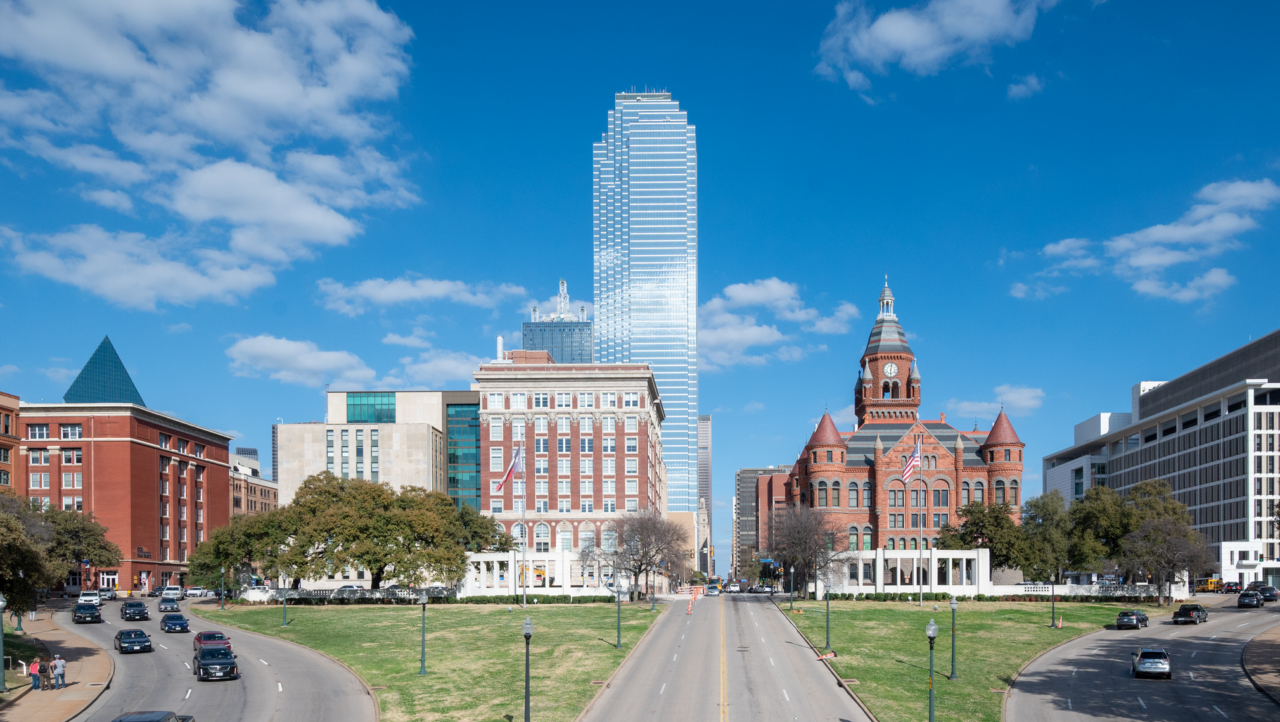
Dallas, Texas delivers a particular kind of big-city energy, think rooftop bars in Uptown, world-class art museums in the Arts District and Friday nights at AT&T Stadium, without the coastal price tag that usually comes with it. Neighborhoods like Deep Ellum pulse with live music and street art while Bishop Arts draws indie shops and weekend brunch crowds. Add in no state income tax and a job market anchored by some of the country's biggest corporate headquarters, and it's easy to see why so many people are planting roots here.
What to consider before moving to Dallas:
- Cost of living
- Job market and economy
- Lifestyle and culture
- Weather and climate
- Commute and public transit
- Pros and cons
- Compared to living in Philadelphia
- How to decide
Cost of living
The cost of living in Dallas is mainly based on the cost of housing in relation to your income. To comfortably afford living in Dallas, the recommended approach is to keep your housing costs at less than 30% of your income. This rule of thumb applies whether you plan to rent or buy a home in Dallas.
Renting a home: The monthly cost of rent in Dallas is $1,630, according to the February 2026 Zillow Observed Rent Index. You’d need an annual income of $65,215 to afford to rent in Dallas and remain within the 30% threshold — about 13.9% lower than the annual income needed to afford the typical U.S. rent.
Buying a home: The average home value in Dallas is $362,142 as of February 2026, according to the Zillow Home Value Index. With a 20% down payment, the mortgage payment on the average home in Dallas is $1,746. To afford the payments and stay within the 30% threshold, you’d need an annual income of $101,632. That’s approximately 9% higher than the income needed to afford the typical U.S. home.
When deciding if a home in Dallas will be affordable for you, weigh the cost of living with your additional monthly expenses like utilities on an apartment. The total monthly payment for owning a home in Dallas when you include the mortgage, insurance costs, property taxes and maintenance costs is $2,541 — which is $795 more a month. Use Zillow’s Rent vs Buy Calculator to estimate whether buying a home in Dallas or continuing to rent works best based on your financial situation.
| Dallas | National | How Dallas compares | |
| Typical mortgage payment | $1,746 | $1,738 | 4% higher than the national average |
| Average monthly rent | $1,630 | $1,895 | 13.9% lower than the national average |
*Data source: All housing costs metrics are based on Zillow Research data using Zillow’s Affordability Metrics.
Job market and economy
The Dallas-Fort Worth economy is the fifth-largest in the U.S. It’s driven by a mix of industries, including healthcare, education, technology, finance, logistics and professional services.
- Income: The typical income in Dallas is $98,306 as of February 2026, according to Zillow Research.
- Common professions: Healthcare and trades employ the largest share of workers, alongside major concentrations in professional, scientific, and technical services, finance, IT, defense, and telecommunications, according to BLS. Retail and hospitality also play a significant role, giving Dallas a broad, diversified employment base.
- Job growth: Job growth in Dallas continues to trend upward when it comes to non-farm employment, supported by major corporate relocations to the area and ongoing investment in technology and life sciences.
Lifestyle and culture
Dallas is known for its food scene, lively entertainment districts and a sports and arts culture. While it’s a major metro, Dallas still makes room for green spaces and trails outdoors, which are especially enjoyable during milder times of the year.
- Music tradition: Dallas’ entrenched music scene spans country and blues to rock and hip-hop, with the Deep Ellum and Bishop Arts neighborhoods at the center of it all. Live music fills Dallas nearly every night, from intimate clubs to massive stages at the American Airlines Center and Dos Equis Pavilion — earning the city its designation as a Texas Music Friendly Community.
- Texas-size gatherings and events: The city regularly hosts large-scale events, including Dallas Blooms, the biggest floral festival in the Southwest; the Dallas International Film Festival; and the iconic State Fair of Texas, which draws visitors from across the state and beyond every fall.
- Performance and visual arts: The nation’s largest urban arts district, the Dallas Arts District blends world-class museums with major performance venues, including the Winspear Opera House, the Wyly Theatre and the Morton H. Meyerson Symphony Center. Anchored by cultural institutions like the Dallas Museum of Art, the Nasher Sculpture Center and the Perot Museum of Nature and Science, the district makes art accessible while several museums, including the Dallas Museum of Art and the Crow Museum of Asian Art, offer free general admission.
- Shopping and dining: Shopping ranges from flagship brands at Highland Park Village and NorthPark Center to destination-style experiences at Galleria Dallas. Dallas’s dining scene is a flavorful passport — go from pho to Lebanese food, then onto Texas classics like smoky barbecue, juicy steaks and street-style tacos. The city’s culinary diversity tastes as bold as it looks.
- Varied sports: Dallas boasts several major sports franchises, including the Cowboys, Mavericks, Stars and the Texas Rangers. Add FC Dallas, the Wings, college athletics and esports, and there’s almost always a game to look forward to.
Connect with a local real estate agent in Dallas to learn more about the area.
Weather and climate
Dallas has a classic North Texas climate with plenty of sunshine, hot summers and generally mild winters. Spring and fall bring fast-changing weather, with warm sun one moment and a sudden chill or rain the next, while winter in Dallas is short and mild, rarely dipping into prolonged cold. It’s possible to make outdoor plans most of the year, as long as you’re prepared for the heat in summer months.
- Intense summers: Dallas summers are sunny and hot, with temperatures in the mid to high 80s, while regularly pushing into the 90s and above in July and August.
- Mild winters: The winters in Dallas are often short and manageable, with cool temperatures averaging in the low 40s rather than sustained cold. Snow and ice occasionally disrupt life, but many winter days still let residents enjoy time outdoors.
- Extreme heat and flash flooding risks: Dallas faces climate change risks that include heat, drought and precipitation. Heat is one of the most pressing concerns, as well as flash flooding.
Commute and public transit
Dallas is largely car-dependent, and most residents commute to work using their own vehicle, according to Census data. DART (Dallas Area Rapid Transit) operates bus and rail networks across much of Dallas-Fort Worth, though access varies by neighborhood. Downtown Dallas is walkable, but most other areas are easiest to navigate with a car.
- Best way to get around: Most people get around Dallas with a car. Only about 2% of commuters use public transportation, and even less rely on walking or biking, according to Census data.
- Average commute time: The average commute time in Dallas is about 27 minutes, according to Census data.
- Traffic conditions: Traffic is a real part of daily life, with the worst congestion often being on I-35E, I-635 and US-75.
- Rideshare availability: Uber, Lyft, Alto, and DART On-Demand are widely available throughout the Dallas-Fort Worth area, making it easy to get around or reach DFW Airport without a car.
- Public transit availability: Public transit is available via DART buses and light rail, the Trinity Railway Express to Fort Worth, and the city streetcar, though most residents still rely on cars.
- Walkability: The Dallas-Fort Worth Metroplex isn’t very walkable, with a Walk Score of 46. There are some exceptions, though. Downtown Dallas, for example, is highly walkable (and bikeable).
Pros and cons of living in Dallas
Dallas has a lot to offer, from career opportunities to cultural landmarks and entertainment. The downsides, though, include the need to use a car and the city’s hot temperatures and associated climate risks.
Pros
- Strong job market: Dallas offers diverse career opportunities across healthcare, technology, finance, logistics, and professional services.
- No state income tax: No state income tax means more of your paycheck stays with you, giving your earnings more room to stretch toward housing, savings or weekend plans.
- Food and entertainment scene: From major sports teams to live music, festivals and a standout dining culture, there’s always something happening in Dallas.
- Housing variety: Dallas-Fort Worth is a huge area, and the housing market offers everything from luxury high-rises to established neighborhoods and newer suburban communities.
- Central location: Dallas is a major transportation hub for both domestic and international travel, with DFW Airport one of the most frequently visited in the world.
- Housing affordability: Compared with other major U.S. cities, Dallas offers relatively affordable housing, with new homeowner affordability at 30.9%, according to Zillow research from January 2026.
Cons
- Hot summers: Extended periods of intense heat can be challenging for some residents, with summer temperatures averaging in the mid 80s to 90s.
- Car dependency: Getting around Dallas usually requires a car, as neighborhoods are spread out and most daily activities — from errands to entertainment—aren’t easily accessible on foot.
- Limited outdoor variety: While lakes and parks are popular, Dallas’s flat terrain and suburban layout can make outdoor recreation options feel repetitive compared with cities that have mountains, forests or more diverse landscapes.
- Traffic: Dallas drivers often face long commutes, especially along I-35, US-75 and the LBJ Freeway during rush hours, where congestion can be heavy and travel times unpredictable.
- Weather risks: Extreme heat, storms, and occasional flooding are environmental factors to consider.
- Higher taxes: Texas offsets the lack of income tax with higher-than-average property and sales taxes, which is worth factoring in, especially when budgeting for homeownership in the Dallas area.
Is Dallas better than Philadelphia?
Dallas and Philadelphia offer two very different lifestyles, one built around growth and more modern infrastructure, the other around history and dense, walkable neighborhoods. Both Dallas and Philadelphia are similarly sized in terms of population, but Dallas might be more appealing if you’d rather skip the snow or need more space. Here’s a quick comparison of how the two cities stack up.
- Cost of living: Whether you live in Dallas or Philadelphia, housing is likely going to be your largest cost of living expense. Zillow research shows keeping your rent or mortgage payment below 30% of your income is ideal for living comfortably. To comfortably afford to rent in Dallas, you’ll need an income of $65,215, which is 14% lower than Philadelphia. To afford a mortgage, an income of $101,632 is needed in Dallas. Philadelphia is similar, with $103,020 required.
- Job market and economy: Dallas’s economy is booming, driven by tech, healthcare, finance, and professional services, making it a magnet for career growth across multiple sectors. Philadelphia also offers a growing job market, with strengths in education, healthcare, life sciences, and finance. Both cities are expanding, though Dallas’s economy is growing faster and attracting a wider range of industries.
- Lifestyle and culture: Dallas tends to feel modern and spread out, with daily life often revolving around driving between neighborhoods. Philadelphia is denser and easier to navigate on foot, layered with historic character and close to parks, trails, and riverfront recreation. Both deliver major league sports, museums, casinos, and big-name performance venues, but the experience of reaching them feels very different.
- Schools and higher education: More than 70% of the 228 schools in the Dallas Independent School District earned A or B ratings, with top-ranked magnet programs leading the way. Philadelphia is home to elite institutions like Julia R. Masterman Secondary School, one of the top-ranked schools in the country. Both cities offer strong options for college and beyond. Dallas is home to Southern Methodist University and the University of Texas at Dallas, while Philadelphia features the University of Pennsylvania, Temple University and Drexel University.
- Weather and climate: Dallas delivers on sunshine and mild winters, but its North Texas climate also means very hot summers. Philadelphia experiences four distinct seasons, with colder winters and more precipitation — snow included.
- Commute and public transit: Dallas commuters average about 27 minutes on the road to work, and typically rely on driving rather than public transit or walking. The average commute time in Philadelphia is slightly longer, at 33 minutes, but the city has much more extensive public transit options, including buses, the subway and a rail system connecting to Delaware, New Jersey and beyond.
How to decide if living in Dallas is right for you
Dallas is an appealing choice for its abundant job opportunities, relatively affordable cost of living, and sunny skies that keep the city bright year-round. That said, long commute times and car dependency are real factors to weigh in as public transit options are limited compared to other major cities, making a vehicle essentially a necessity. Heat is another consideration, with temperatures regularly climbing into the mid-90s in summer and topping 100 degrees Fahrenheit multiple days of the year. The best way to decide is to match what Dallas offers with how you prefer to live day to day.
- Prioritize your needs: Dallas could be a strong fit if you’re looking for career opportunities, warm weather, newer housing options and a lively food and entertainment scene.
- Compare cost of living: Your housing expense makes up the majority of your cost of living in Dallas. To keep your rent or mortgage payment less than 30% of your income, you’ll need an annual income of at least $65,215 to comfortably afford rent in Dallas and $101,632 to buy a home with a 20% down payment.
- Research neighborhoods: Your Dallas experience is closely tied to the neighborhood you choose. If you’re interested in dining and nightlife, it might make sense to look at Uptown, Victory Park or parts of Downtown for instance. If you’re looking for higher-end housing, consider enclaves like Highland Park or University Park.
- Explore homes for sale: You can find homes for sale in Dallas on Zillow and narrow your options by price, bedrooms, square footage, new construction listings and more to find the right fit for your lifestyle.
How much home can you afford?
At Zillow Home Loans, we can pre-qualify you in as little as 5 minutes, with no impact to your credit score.
Zillow Home Loans, NMLS # 10287. Equal Housing Lender
Get pre-qualifiedA great agent makes all the difference
A local agent has the inside scoop on your market and can guide you through the buying process from start to finish.
Learn moreRelated Articles

Download the Zillow App
Don’t miss out on the right home for you — browse up-to-date listings, refine your search and more.
Download the free app