
Written by Jennifer Lyons on April 27, 2026
Reviewed by Alycia Lucio, Edited by Suzanne De Vita
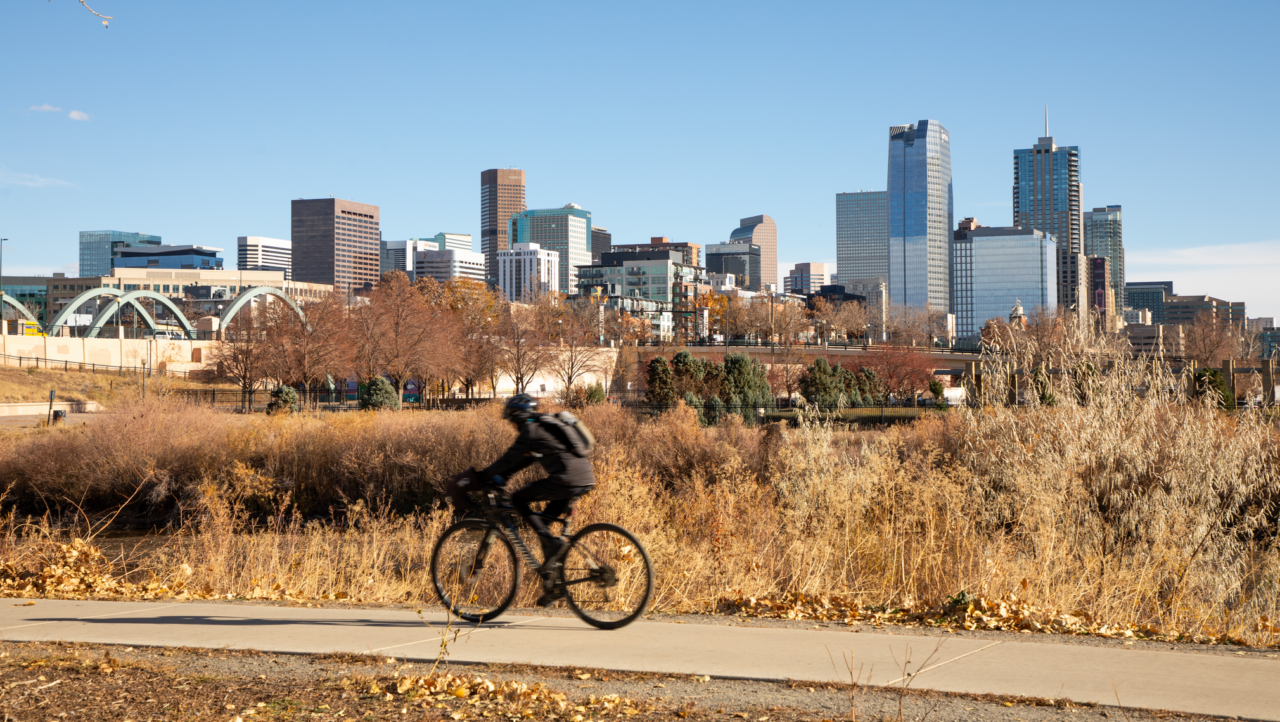
With its sweeping mountain views, dynamic job market and top-tier cultural amenities, Denver offers the best of both urban and outdoor living. If you enjoy year-round outdoor recreation and an eclectic food scene and don’t mind living in a city that is rapidly growing in population size, Denver, Colorado may be just the place for you. In this guide, we’ll explore the pros and cons of life in Denver, from affordability to commute, weather and more.
What to consider before moving to Denver:
- Cost of living
- Job market and economy
- Lifestyle and culture
- Weather and climate
- Commute and public transit
- Pros and cons
- Compared to living in Colorado Springs
- How to decide

Cost of living
The cost of living in Denver often comes down to what will likely be your largest expense: housing. To comfortably afford living in Denver, aim for a monthly mortgage or rent cost that is less than 30% of your income.
Renting a home: The monthly cost of rent in Denver is $1,858, according to the March 2026 Zillow Observed Rent Index. You’ll need an annual income of $74,306 to afford rent in Denver and remain within the 30% threshold — about 3% lower than the annual income needed to afford the typical U.S. rent.
Buying a home: The average home value in Denver is $573,363 as of March 2026, according to the Zillow Home Value Index. With a 20% down payment, the mortgage payment on the average home in Denver is $2,803. To afford the payments and stay within the 30% threshold, you’d need an annual income of $144,255. That’s around 51% higher than the income needed to afford the typical U.S. home.
When deciding if a home in Denver will be affordable for you, weigh the cost of living with your additional monthly expenses like utilities on an apartment if you plan to rent. For a mortgage, factor in the additional cost of insurance, property taxes and maintenance — which makes your total monthly payment in Denver $3,606 versus $2,803 for the mortgage alone. Use Zillow’s Rent vs Buy Calculator to estimate whether buying a home in Denver or renting works best based on your financial situation.
| Denver | National | How Denver compares | |
| Typical mortgage payment | $2,803 | $1,789 | 51% higher income needed |
| Average monthly rent | $1,858 | $1,910 | 3% lower income needed |
*Data source: All housing costs metrics are based on Zillow Research data using Zillow’s Affordability Metrics.
Job market and economy
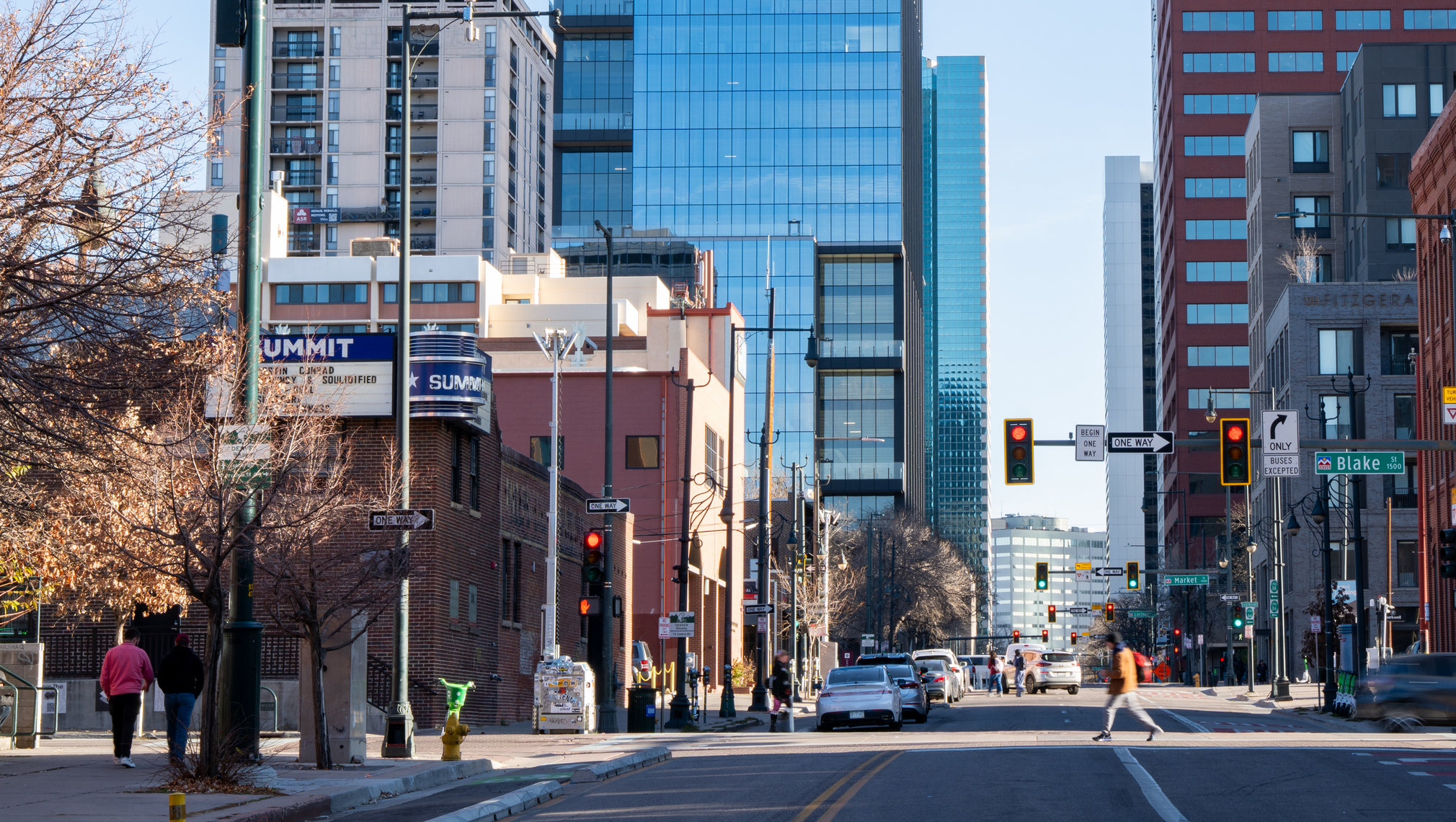
The Denver job market includes competitive wages, with an average hourly wage of $38.45, higher than the national average of $32.66, according to the U.S. Bureau of Labor Statistics (BLS). Denver’s economy is vibrant and diverse, powered by industries ranging from aerospace and aviation to bioscience, healthcare, and IT/software.
- Income: The typical household income in Denver is $114,229 as of March 2026, according to Zillow Research.
- Common professions: Denver’s most common professions are business and financial operations, sales, and office and administrative support work (according to BLS).
- Job growth: The Denver job market has shown modest overall growth, with employment and wages rising over time, even though the share of national employment has remained relatively stable. The unemployment rate in Denver is a relatively low 3.6% as of November 2025, below the national rate of 4.3%.

Lifestyle and culture
Denver’s lifestyle is a combo of outdoor adventure, urban energy and a laid-back Western vibe. The Rocky Mountains are less than an hour away, the city’s walkable districts are packed with restaurants and breweries and there’s a steady calendar of things to do. The lifestyle here tends to center on health and wellness, time outside, community events and local businesses.
- Outdoor recreation: Denver’s proximity to the Rocky Mountains means outdoor life is woven into everyday routines, with hiking, mountain biking, skiing and snowboarding just a short drive away in spots like Evergreen, Golden and Boulder. Locals also make the most of nearby urban‑adjacent trails and parks such as City Park, Washington Park, and Red Rocks Park and Amphitheatre for casual weekend rides, sunset hikes and outdoor yoga against mountain views.
- Food and dining scene: Denver is a destination for food lovers, blending elevated farm‑to‑table restaurants, vibrant food halls like Denver Central Market and The Source, and beloved local bakeries and cafés that serve up everything from seasonal pastries to regional favorites. The city’s culinary calendar also includes events like the annual Food + Wine Festival, where more than 50 Colorado restaurants showcase their best dishes, and downtown gatherings like Civic Center EATS, drawing crowds for rotating food trucks all summer.
- Arts and culture: Denver’s creative scene thrives in neighborhoods like RiNo, Santa Fe Art District, and LoDo, where galleries, murals, and live music venues abound. Major institutions such as the Denver Art Museum and the Denver Performing Arts Complex anchor year‑round events, while immersive spaces like Meow Wolf’s Convergence Station and neighborhood art walks make the city’s arts scene accessible and dynamic for residents and visitors alike.
- Community vibe: Denver’s active lifestyle is reflected in its neighborhoods, where residents can join running clubs, outdoor yoga classes, cycling groups, and community fitness events. Farmers markets, wellness workshops, and access to nearby trails and parks make it easy to connect with the community while the city’s casual, outdoorsy vibe encourages an overall balance of fresh air and social connection.
- Events and entertainment: Pro sports teams, concerts at Red Rocks Amphitheatre, seasonal festivals, and a lively nightlife give the city plenty to do, whether you’re cheering on the Broncos, Nuggets, Rockies, or Avalanche or enjoying local arts and cultural events. From game days to live music and annual celebrations like the Cherry Creek Arts Festival, Denver offers year‑round entertainment for every interest.
Connect with a local real estate agent in Denver to learn more about the area.
Weather and climate
Denver’s weather is defined by its semi-arid, four-season climate and abundant sunshine, thanks to its location near the Rocky Mountains and on the High Plains. The city experiences warm, dry summers and cool to cold winters, with most precipitation falling in late spring and early summer. While extreme events like hurricanes and major tornadoes are rare, Denver can see vigorous thunderstorms and occasional winter storms that affect travel and outdoor plans. Here’s a quick snapshot of what to expect year-round:
- Sunny summers: Summers in Denver are generally warm to hot, according to NOAA, with daily average temperatures around 72.8 degrees Fahrenheit. You can expect lows in the 50s and highs in the 80s.
- Cold winters: Winters in Denver are cold, with daily averages around 31 degrees Fahrenheit, lows in the teens, and highs in the low 40s, according to NOAA. Snowfall is common from November through March, contributing to Denver’s semi-arid but snowy winter season. While major storms can impact travel and create icy conditions, the city’s abundant sunshine often helps snow melt quickly between seasons.
- Weather risk: Denver is largely spared from hurricanes and severe tornadoes, but the region does face summer thunderstorms, hail, high winds, and flash flooding, particularly along the Front Range. The metro area is also prone to drought and wildfire risks in surrounding foothills, making fire season a consideration for residents and outdoor enthusiasts alike.
Commute and public transit
Denver commuters mostly get to work by car, though a fair share of commuters work from home, and some walk, bike or use public transit, according to Census data. Be mindful that major highways like I-25 and I-70 may experience moderate traffic congestion during peak hours.
- Best way to get around: Most Denver workers drive alone to get to work, while many work remotely or carpool.
- Average commute time: The average commute time in Denver is almost 25 minutes, according to Census data. About one-fifth (20.3%) of commuters spend 30-34 minutes on the ride to work.
- Traffic conditions: Denver ranks #57 in the INRIX 2025 Global Traffic Scorecard and is among the top 15 U.S. cities where congestion causes the most hours lost. While traffic has increased with population growth, it remains less severe than in larger metros like Los Angeles or New York.
- Rideshare availability: Uber and Lyft are widely available in Denver, and especially if you need to travel to or from Denver International Airport or Union Station.
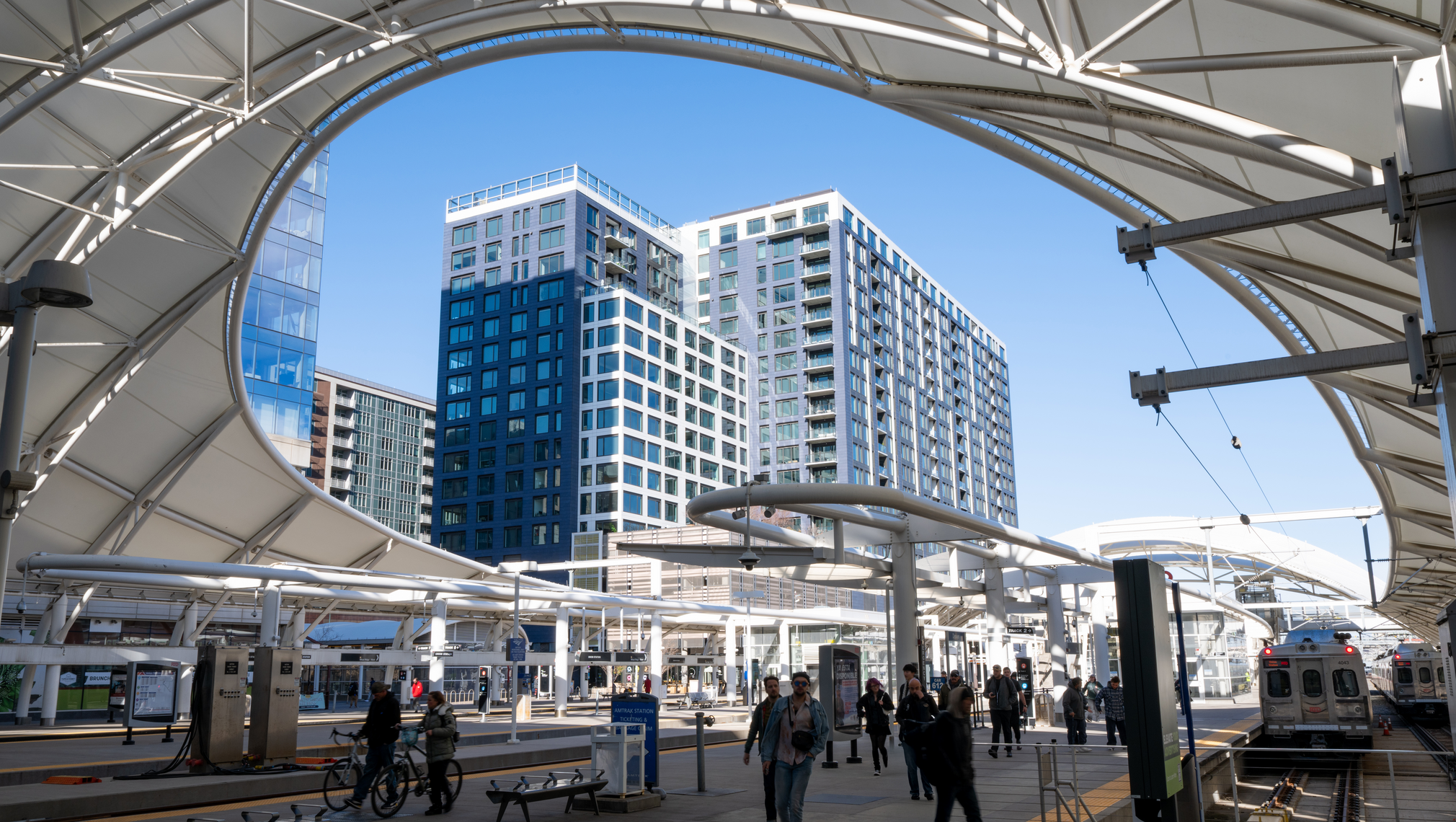
- Public transit availability: The Regional Transportation District (RTD), which serves Denver, Boulder and surrounding areas, provides buses, light rail and commuter rail, many with bike and scooter storage. You can also rent a bike locker at most stations, or take advantage of a free Bike-n-Ride shelter.
- Walkability: Denver’s overall walkability is moderate with a city‑wide Walk Score of 61, meaning some errands can be done on foot, but this varies widely by neighborhood. Neighborhoods like Capitol Hill, Downtown, and Five Points offer high walkability where daily errands, dining and entertainment can easily be done on foot, while many outer and suburban areas still require a car for most daily needs.

Pros and cons of living in Denver
Denver is an outdoor lover’s dream, with strong job opportunities, but also high housing costs and traffic issues. Here’s a comparison of the advantages and challenges of living in Denver:
Pros
- Access to the outdoors: With the Rocky Mountains under an hour away, hiking, skiing, biking, camping and weekend mountain trips are part of everyday life in Denver.
- Steady job market: Denver has a diverse economy with opportunities in tech, healthcare, aerospace, energy and professional services, plus competitive wages compared with national averages.
- Sunny weather: Denver averages more than 300 days of sunshine a year, and the climate overall is dry.
- Active food and beer scene: Denver offers a dynamic culinary landscape, from farm-to-table restaurants and street food markets to vibrant food halls like The Source and Denver Central Market. The city is also a craft beer hub, with hundreds of local breweries showcasing everything from classic ales to experimental brews across neighborhoods like RiNo and LoDo.
- Passionate sports fans: Denver is home to major professional teams including the Broncos (NFL), Nuggets (NBA), Rockies (MLB), and Avalanche (NHL), with passionate fan bases and packed stadiums. The city also hosts college sports, outdoor recreational leagues, and community events like 5Ks and charity runs, while nearby mountains provide year-round options for skiing, snowboarding, and mountain biking, making both spectator and active sports a central part of life.
- Winter activities: Frequent snow creates opportunities for skiing, snowboarding, and other winter sports, making Denver a snowy playground from November through March. The nearby mountains and resorts provide easy access for day trips and weekend adventures.
Cons
- High costs to buy a home: While average rents in Denver are in line with the national average, Denver’s average home value sits at $539,666, about 47% higher than the national average of $366,019, making homeownership more expensive in Denver than many other locations.
- Car dependency: Most Denver commuters use a car to get to work. Though that could change in the future, as the city is carrying out a broad transportation improvement plan to increase systems and provide more travel choices.
- Potential altitude sickness: At 5,280 feet above sea level, Denver’s “Mile High” elevation can cause mild altitude sickness for newcomers, including shortness of breath, dry skin, or dehydration, especially during outdoor activities in the mountains or city parks. Hydration and gradual adjustment help most residents acclimate quickly.
- Rapid growth challenges: Denver’s booming population and popularity have driven ongoing construction, rising housing and rental costs, and crowded trails and parks, especially in hotspots like the RiNo Art District, Cherry Creek, and City Park. While growth fuels a vibrant economy, it also means newcomers may encounter traffic congestion, limited housing options, and busy recreation areas on weekends.
Is Denver better than Colorado Springs?
Whether Denver or Colorado Springs is right for you depends on the lifestyle you want. Denver offers a larger population with broader job opportunities, major sports teams, extensive dining and nightlife and more public transit options, but it comes with higher housing costs and heavier traffic. Colorado Springs is more affordable and less congested, and offers similar access to the outdoors as Denver.
- Cost of living: Whether you live in Denver or Colorado Springs, housing is usually your biggest cost. In Denver, Zillow data shows you’ll need an income of about $74,000 to comfortably rent and roughly $145,000 to buy a home with 20% down (keeping housing under roughly 30% of income). Denver’s average home value is notably higher than Colorado Springs, at about $540,000 compared to about $450,000. Because of that, the income needed to live comfortably is lower in Colorado Springs than in Denver.
- Job market and economy: Denver has a larger, more diversified economy than Colorado Springs. Both cities have an aerospace presence, but Denver is also built out in industries like bioscience, energy, financial services, health/wellness and IT. Aside from aerospace, Colorado Springs offers manufacturing jobs in a variety of sectors, as well as cybersecurity, defense and some financial services roles.
- Lifestyle and culture: Both Colorado Springs and Denver are ideal for outdoor enthusiasts, but Denver has the edge in terms of cultural amenities and entertainment options. The city boasts world-class museums, performing arts venues, and vibrant neighborhoods like RiNo and LoDo filled with galleries, murals, and live music. Residents also enjoy a diverse culinary scene, craft breweries, and year-round festivals, making Denver’s lifestyle a mix of active outdoor living and rich urban culture.
- Schools and higher education: Denver offers a broad range of educational options, from large public school districts like Denver Public Schools serving thousands of students, to private and charter schools across the city. For higher education, Denver is home to institutions such as the University of Denver, University of Colorado Denver, Metropolitan State University of Denver, and multiple community colleges, providing a wide array of programs and specialized studies. Colorado Springs also has strong public schools and higher education options, including UCCS and Colorado College, but Denver’s greater number of schools, colleges, and specialized programs gives residents more choices overall.
- Weather and climate: Both cities have four distinct seasons with plenty of sunshine. Denver generally has hotter summers and more snowfall in winter, while Colorado Springs, at a slightly higher elevation, experiences cooler temperatures and milder winter storms. Summer thunderstorms are common in both cities. Colorado Springs has moderate precipitation and generally milder winter storms, though summer thunderstorms are common in both cities.
- Commute and public transit: Most people in both Colorado Springs and Denver get around by car, but commuting by car is generally easier in Colorado Springs due to lighter traffic and less congestion. Colorado Springs is served by Mountain Metropolitan Transit (MMT), a local bus system that services Manitou Springs and surrounding areas, and offers a seasonal free downtown shuttle. In Denver, RTD’s buses and light rail span a larger, more sprawling metro, giving residents more transit options but also contributing to longer commutes and heavier traffic, especially on major corridors during peak hours.
How to decide if living in Denver is right for you
If you enjoy snowy winters, sunny days, and easy access to sports and recreation, Denver might be a great place for you to live. Here are some tips to help you decide if Mile High City is a good home base for you:
- Prioritize your needs: Denver could be ideal for those looking for outdoor recreation, urban amenities, cultural events and career opportunities in a variety of industries.
- Compare cost of living: Housing is likely going to account for the majority of your cost of living in Denver. To keep your rent or mortgage payment to less than 30% of your income, you’ll need an annual income of at least $74,306 to comfortably afford rent in Denver, or $144,255 to buy a home with a 20% down payment.
- Research neighborhoods: Denver has a neighborhood for nearly every lifestyle. LoDo offers a walkable downtown hub with restaurants and arts venues, while Highland features historic homes and tree-lined streets. Stapleton provides newer homes with yards, and Lakewood combines residential charm with convenient shopping. Explore Zillow’s Denver neighborhood guide to find the area that best fits your needs.
- Explore homes for sale: You can find homes for sale in Denver on Zillow and narrow down your options by number of bedrooms, square footage, new construction listings and more.
How much home can you afford?
At Zillow Home Loans, we can pre-qualify you in as little as 5 minutes, with no impact to your credit score.
Zillow Home Loans, NMLS # 10287. Equal Housing Lender
Get pre-qualifiedA great agent makes all the difference
A local agent has the inside scoop on your market and can guide you through the buying process from start to finish.
Learn moreRelated Articles


Download the Zillow App
Don’t miss out on the right home for you — browse up-to-date listings, refine your search and more.
Download the free app