What Hurts a Home Appraisal?

Written by Jennifer Lyons on July 9, 2026
Reviewed by Jessica Rapp, Edited by Suzanne De Vita
A home appraisal is one of the most important steps in selling your home. Even if you’ve done everything right up to this point, the sale still depends on the appraised value matching (or at least supporting) the buyer’s offer. Most buyers rely on a mortgage, and lenders won’t approve a loan that exceeds what the home is worth on paper.
That’s why understanding what hurts a home appraisal is so valuable. It puts you in the appraiser’s shoes so you can anticipate potential issues, fix what’s fixable and avoid surprises.
Understanding the home appraiser’s role
Before we break down what hurts an appraisal, let’s review how the process works. An appraiser is a neutral, licensed professional that determines the value of a home. They consider current housing market trends and the home’s condition, features and any upgrades. Then, they compare it to recently sold homes in the area, called comparables or “comps.”
When buying a home, you don’t choose the appraiser — your mortgage lender does. Outside of a real estate transaction, you can hire an appraiser of your choosing if you ever want to learn the appraised value of your home.
What hurts a home appraisal?
If a home is considered “inferior” to comps, that’ll hurt its appraised value. The characteristics of the neighborhood where the home is located, such as proximity to employment and amenities, appeal to the market and adverse environmental influences, may also hurt appraised value. While you can’t change your home’s location, you may be able to address other factors to mitigate a potential hit.
Here’s an overview of the factors that may hurt a home appraisal. Some of them are in your control, while others aren’t.
1. No curb appeal
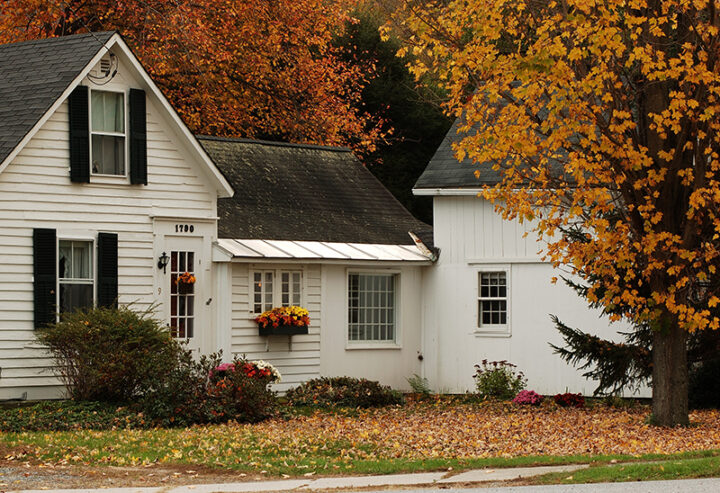
First impressions stick around, even in an objective process with a third-party appraiser. A tidy, maintained exterior sets positive expectations, while signs of neglect may indicate issues with upkeep.
You don’t have to have an expertly landscaped property, but basic curb appeal may help, especially if it’s close to neighboring homes. Things like a cluttered yard, deteriorating driveway, dead landscaping or sagging gutters may hurt the home’s appraised value.
2. Outdated kitchen or bathrooms
Kitchens and bathrooms carry enormous weight in an appraisal because they’re expensive to update and highly influential to buyers. If the kitchens in the comps have been upgraded with modern materials and yours hasn’t, for instance, the appraiser may adjust your home’s value lower.
Fortunately, you can often make meaningful improvements to your kitchen or bathrooms without completely renovating. Think about things like replacing hardware, painting cabinets or updated lighting. Your real estate agent can help you determine the best upgrades to invest in as you prepare your home for sale.
3. Structural and other major problems
An appraiser doesn’t perform a thorough home inspection, but they will take into account issues that may affect the home’s functionality or safety. This includes:
- Wide cracks in the foundation
- Damaged or leaky roof
- Plumbing problems, including mold, mildew or water stains
- Electrical issues, such as exposed wiring or an outdated panel
- Evidence of pests
These often lead to a lower appraised value because they signal deferred maintenance. If possible, address major problems — the buyer might ask you to, anyway — or at least be prepared to provide documentation showing recent repairs or estimates.
4. DIY or low-quality upgrades
Renovations don’t automatically add value, and they can actually hurt it if things were improperly installed or the contractor used low-end materials. If you went the DIY route, make sure everything is safe, legal (permits if needed) and functional. If something looks questionable, the appraiser may lower your home’s value based on quality concerns.
5. Unpermitted work
If you made an addition or otherwise expanded the size of your home without proper permits, the appraiser may not consider the space in the home’s overall square footage, hurting the home’s value. Many homes have unpermitted work — you may not even be aware of it. Before the appraisal (and ideally before you put the home on the market), consider checking in with your local building or permitting office to see if anything needs resolving.
6. Excessive clutter or grime
Appraisers won’t judge specifically on cleanliness or neatness, but too much clutter may obscure your home's condition, which may lead to an inaccurate valuation. Likewise, if the home is noticeably filthy, the appraiser may make assumptions about how well the home has been cared for. If there are signs of a lack of maintenance, such as musty odors or yellowing walls, those may contribute to a lower appraised value.
7. Location
Appraisers also consider many factors based on the location of your home. These variables aren’t within your control, but know that they can boost or lower appraised value. They include:
- Local housing market trends, including demand for the neighborhood and price trends
- Characteristics of the neighborhood, such as proximity to employment and amenities, appeal to the market and adverse environmental influences
- Whether the home is in a flood zone
- Access to highways and public transit
- Proximity to employment
- Proximity to amenities such as parks or retail
- Environmental factors, such as proximity to a hazardous waste site
- High traffic and other noise pollution
- Proximity to an airport
Ready for expert support?
The appraisal is one of many parts in the process of selling your home, and it can make or break the sale. You can avoid hurting the appraisal by addressing curb appeal; taking care of interior maintenance; considering proper permitting for any improvements; and providing documentation about known issues or renovations, where required by law. If you’re looking for guidance on what fixes to make, a Zillow partner agent can help.
This article is provided for informational purposes only and is not a substitute for the advice of a licensed professional. If you are already working with an agent, this is not a solicitation of your business.
Ready for a new address?
Get an instant cash offer or list with a local partner agent.
Explore selling optionsRelated Articles



Sell your home with a winning strategy
Here’s how to maximize your home sale with the right selling plan.

Build a smart selling plan
Talk to your agent about their marketing approach - especially online - to ensure you’re getting the best possible price for your home.
