How to Master the Magic of Cottagecore: Creating a Cozy, Whimsical Home
From hygge lighting to cottagecore premiums, here is how to design a home that feels — and sells — like a dream.

Written by May Ortega on May 14, 2026
Edited by Jessica Rapp
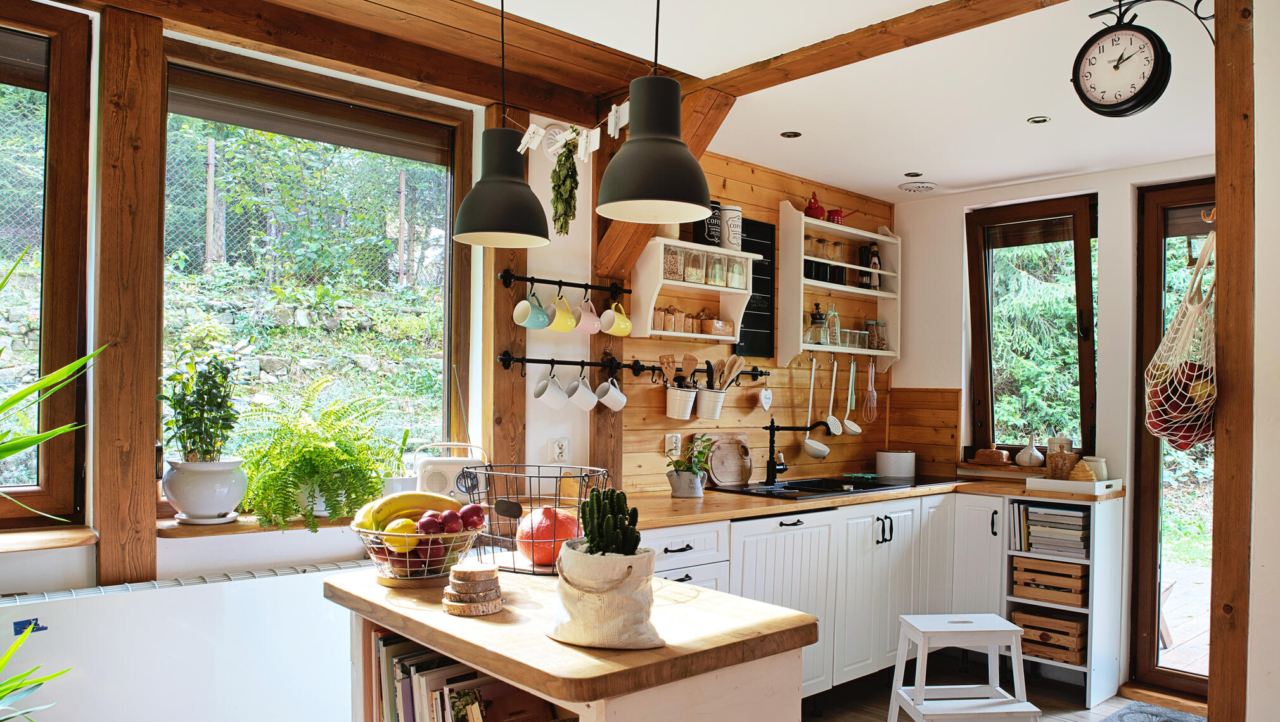
If your social media algorithm is delivering you quaint interiors featuring the rustic charm of the English countryside, you’re not alone. The cottagecore interior design style has exploded online as a nostalgic reaction to high-tech homes, touching everything from interiors and fashion, to slow cooking.
As it turns out, cottagecore isn't just a lifestyle; it can be a significant real estate asset. In today’s market, simply describing a home as a "cottage" can add a 3.1% boost to the sale price, according to a recent Zillow analysis of home features. And mentioning "whimsy" can drive buyer engagement, increasing daily views by 6.3%.
Content creator and photographer Sapphire Anderson curates her century-old cottagecore home in Minnesota for her own comfort and self-expression as opposed to sellability. Below, she shares her advice on capturing the magic of cottagecore, and we’ve included some of the latest Zillow data on what related features buyers are actually paying for.
What is cottagecore home design?
While commonly defined by decorative elements such as muted pastels, dainty florals and heirloom furniture, cottagecore can take on countless forms and mix with many interior design styles. It’s often inherently maximalist, with layers of pattern and textiles and collectibles filling a room, yet also conveys an atmosphere of tranquility and intentionality.
Even though cottagecore has become mainstream only recently, its roots go back to the 18th and 19th centuries, when people intentionally designed homes with soft, handcrafted features as a reaction against the Industrial Revolution’s emphasis on mass production and efficiency over craftsmanship and rural simplicity. The Hameau de la Reine in France, for example, was Queen Marie Antoinette’s “cottagecore” retreat, built specifically as a getaway from the formality and excess of her palace life.
Today, cottagecore is as a response to minimalist, modern interior design trends that prioritize functionality over warmth and individuality.
Cottagecore vs. farmhouse home designs
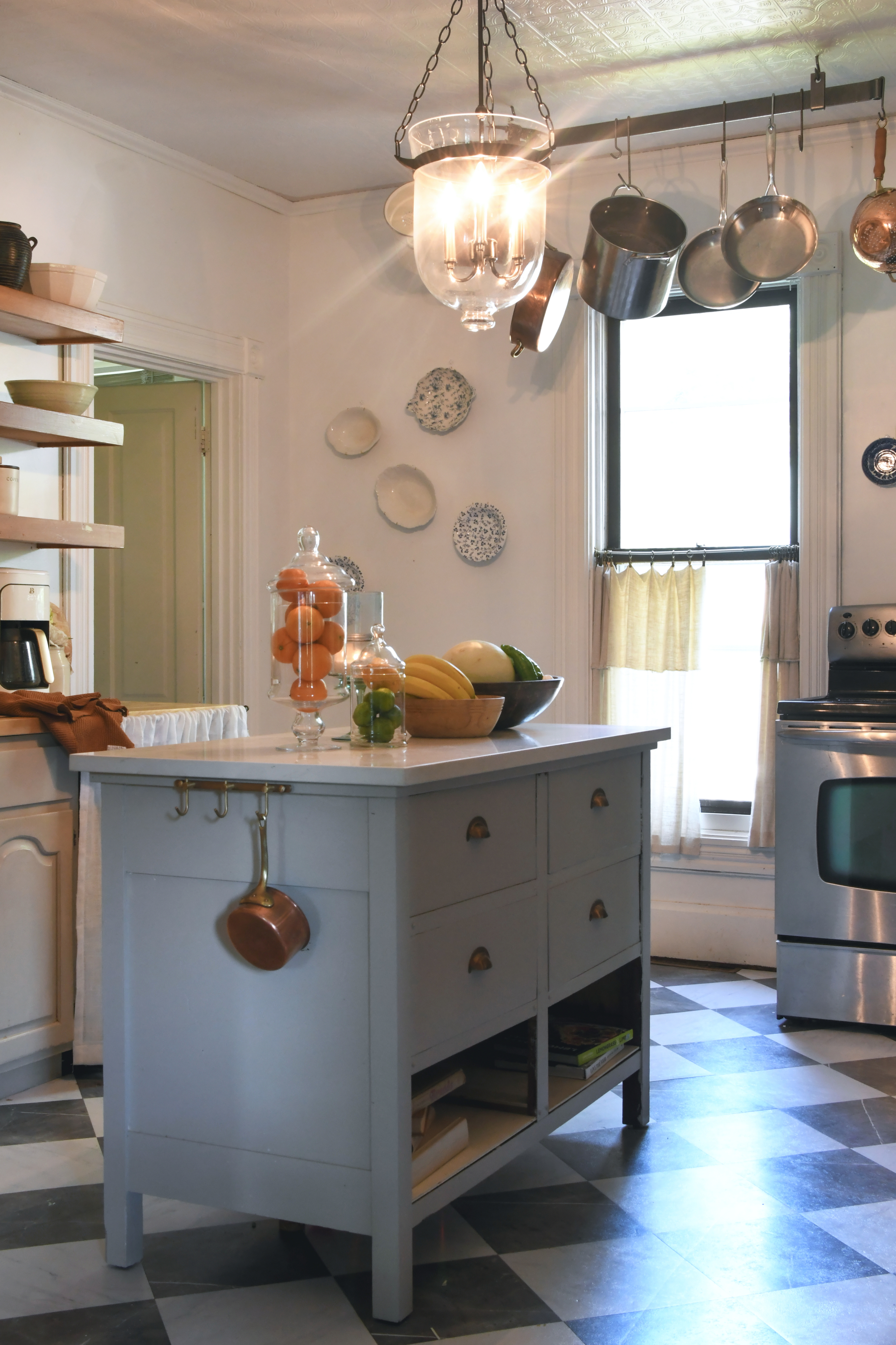
The cottagecore and farmhouse styles take heavy inspiration from rural life as opposed to sleek modernism. They both lean on natural materials — think wood, linen, and stone — over glass and steel. Both styles aim to create a space that feels grounded, cozy, and connected to a simpler time; but they’re not the same. The differences lie in their execution and overall vibe:
- Color palette: Cottagecore loves earthy greens, muted tones, and warm pastels; farmhouse sticks to high-contrast neutrals like crisp white, black, and slate grey.
- Textural focus: Cottagecore is all about soft layers, lace, and crochet; farmhouse emphasizes hard textures like galvanized metal, iron, and reclaimed wood.
- The "clutter" factor: Cottagecore embraces maximalism (the more vintage teapots, the better); farmhouse tends to lean toward minimalism and functional decor.
- Floral vs. graphic: You’ll find floral prints and botanical illustrations in a cottage, whereas a farmhouse is more likely to feature buffalo check, stripes, or simple typography.
- Vibe: Cottagecore is fairytale-inspired and dreamy; farmhouse is rustic and utilitarian.
Cottagecore is whimsical, maximalist romance; it’s about floral patterns, vintage trinkets, and an almost magical, overgrown garden aesthetic that feels like a scene from a storybook.
In contrast, farmhouse is a cleaner, more structured sibling to cottagecore. It favors a neutral palette and industrial accents like brick walls. While cottagecore wants to tuck you into a cluttered, cozy nook with a cup of tea, farmhouse wants to host you in a bright, airy kitchen with clean lines and shiplap walls.
Farmhouse features might hurt your sale
While farmhouse elements often overlap with cottagecore, Zillow data suggests being selective in the kitchen:
- Farmhouse/apron sink: This can drop your home’s sale price by 0.2%.
- Butcher block countertops: While highly attractive and cottagecore, they can negatively impact sale price by 0.7%.
Common cottagecore features that help a home sell
Hygge and cottagecore are often driven by specific architectural features like these:
- Exposed wood beams: Increase daily listing views by 12.2% and speed up sales.
- Arched doorways: Can cut 1.5 days off your time on the market.
- Dutch doors: Add an average 1.3% to your sale price.
- Wide-plank flooring: Increases sale price by 2%.
- Herringbone patterns: Net a 1.2% price increase.
- Reclaimed wood: Adds a 0.6% price boost.
How to decorate in the cottagecore style
Set up hygge lighting
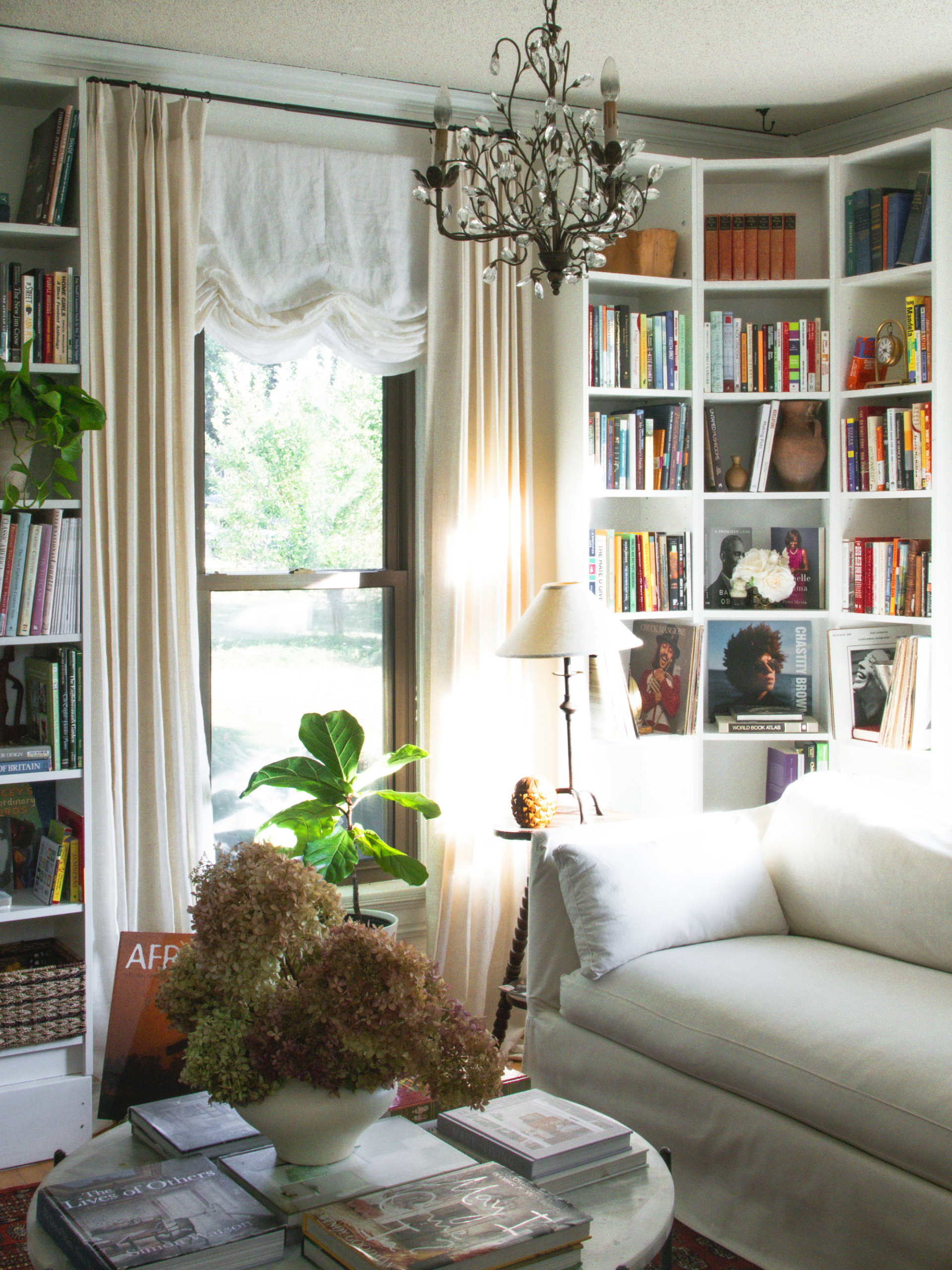
Hygge (pronounced HEW-guh) is the Danish art of creating an inviting, content space. Anderson said it is a big part of achieving a cottagecore mood in the home.
For example, she rarely turns on her home’s overhead lighting — she finds it stresses her out. Instead, she focuses on ambient, warm tones that create a calm, cozy vibe, rather than a spotlight.
“Different lighting can make a room feel a certain type of way,” she said. “You can have your room styled in whatever style and only have one light and it could feel one way, but then you add a task light over here on the shelf or on the side table and it's just this totally different vibe.”
Know the power of the hearth
To ground your cozy lighting, consider the physical and visual warmth of a fireplace, which could provide a sales premium if featured in your listing, according to the Zillow analysis:
- Fireplace: Provides a 0.8% sale price boost.
- Wood stove: Offers a 0.2% sale price boost.
Don’t limit yourself to one trend
Anderson said she didn’t find her style overnight. Her home is a blend of experiments, from mid-century modern sleekness, to her English cottage aesthetic, to maximalism.
“I think [maximalism] is really just a blend of everything that you like, that you want to see in your home, and that you want to be surrounded by,” she said. “That could be a cottagecore sofa, and then you've got a mid-century end table that goes well with it.”
Be true to yourself
For Anderson, cottagecore is about authenticity. Her twist on the style honors her African roots alongside Victorian elements she appreciates.
“I've brought in a lot of things that speak to who I am as a Black human being, and I want our sons to see [this in their home], and to feel seen and heard and respected and loved, because what's on the outside is so different,” Anderson said.
Thrift antique furniture with natural materials
To nail the cottagecore look, Anderson suggests buying vintage.
“I find things on Facebook Marketplace, or things are handed down to me through family,” she says. “I find so much pleasure and comfort in just knowing that this was in somebody else's home that served a purpose for 50, 60 years.”
Anderson suggests looking for wicker and rattan furniture, or decorative items made from oak and reclaimed wood. The texture and color of hardwood furniture can add warmth and a touch of the outdoors to any room.
Experiment with cottagecore textiles and wall textures
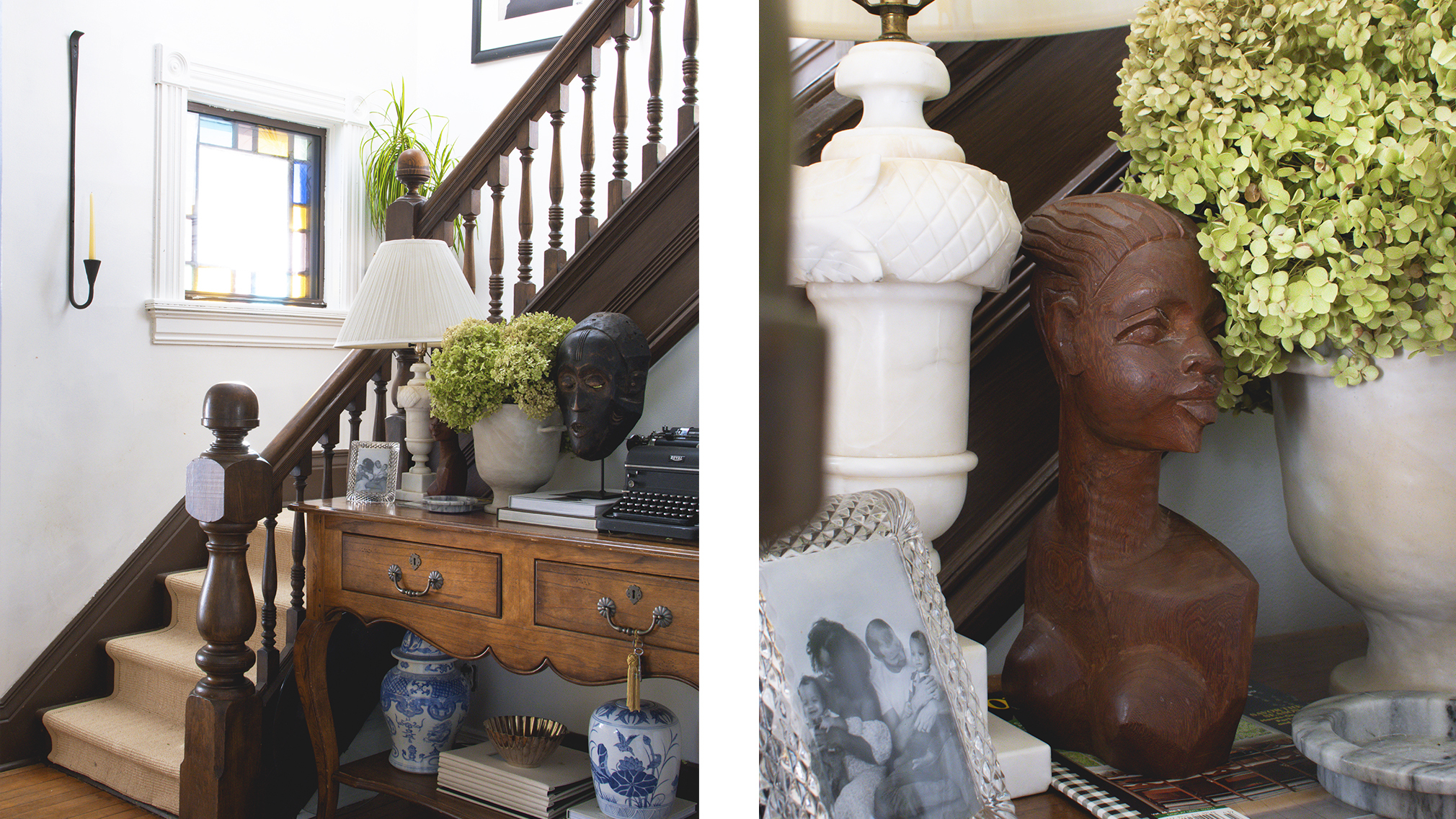
Anderson uses pale linen curtains, knitted throw blankets, and sheer curtains to create an airy, lived-in feel. On the walls, plaster and limewash provide that historical, muted texture essential to the cottagecore look.
- Venetian plaster: Can increase sale price by 1.5%.
- Wainscoting and wood paneling: While these help a home sell faster (by up to two days), they can also lead to a price drop of up to 0.7%.
Lean into that whimsical feeling
Anderson emphasizes that there’s no wrong way to curate your own cottagecore space; your goal is to create a space that makes you feel good when you walk through the front door.
“What do you want to feel when you walk into the dining room? What do you want to feel when you walk into the front room, the entryway, or your bedroom?” Anderson says. “Cottagecore to me is more of a feeling. I want to feel whimsical. I want to feel airy, I want to feel cozy. I want it to be very hygge.”
In this case, TikTok and Pinterest can be your friend for inspiration.
Have collections with purpose
There’s a difference between having a thought-out maximalist space and having clutter. Anderson’s advice on how to keep things hygge? Have collections with purpose, and find just the right spots for them.
“You are curating. You are collecting these things and deciding how you use them in your home. I think that plays a big part in the maximalist versus hoarder style,” she said.
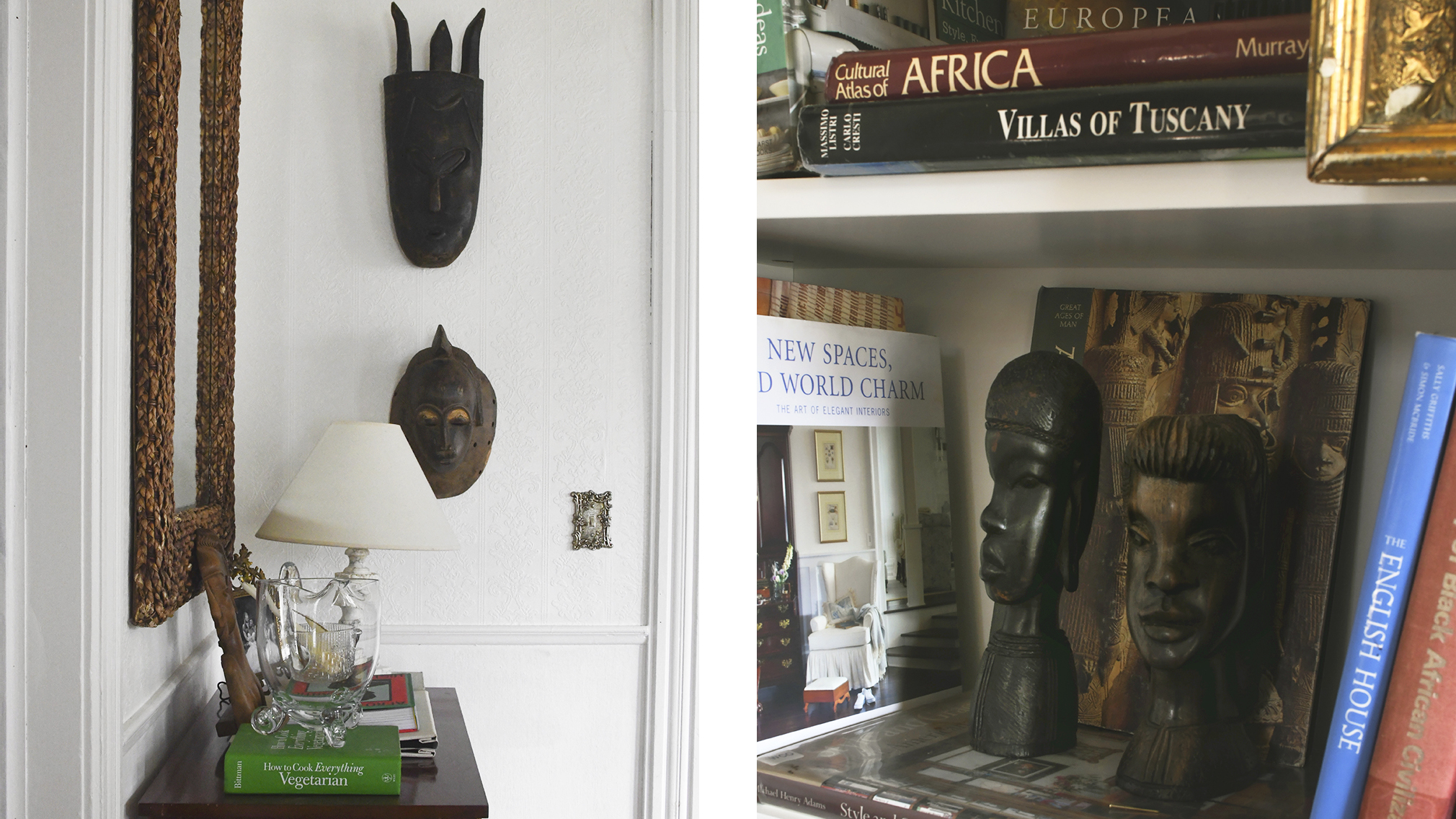
Her secret weapon? Books.
“Always, always, always add books. And they can be anywhere. They don't have to be up on the shelf,” she said. “They can serve as a side table; put a vase on top of 'em. They just warm a space up and make a room feel so welcoming and inviting and lived in.”
Don’t overdo it — unless you want to
Prioritize your comfort. Whether it's a cozy reading nook or a covered porch (which helps a home sell a bit faster), the focus should be on your joy. Anderson’s final piece of advice is to decorate according to what you want, not whatever is trending online.
“Don't pay attention to what the magazines are saying or these fancy blogs are saying,” she said. “Do what you love, buy what you love, bring it home.”
Ready for a new address?
Get an instant cash offer or list with a local partner agent.
Explore selling optionsRelated Articles
Sell your home with a winning strategy
Here’s how to maximize your home sale with the right selling plan.

Build a smart selling plan
Talk to your agent about their marketing approach - especially online - to ensure you’re getting the best possible price for your home.
