Current mortgage rates from Zillow Home Loans
Buying a home starts with understanding rates. Explore our rates by loan type or get a personalized rate estimate in minutes.


Already working with us? Access your dashboard

Today's mortgage rates summary
As of October 8, 2026, current 30-year fixed mortgage rates are 7.625%, while current 15-year fixed mortgage rates are 6.875%. For adjustable rates, like a 7-year ARM, rates are N/A.

Compare mortgage rates by loan type

Learn more about mortgage rates
How does your rate impact your monthly payments?
Your rate determines how much interest you’ll pay on top of what you borrow (your principal). With a higher rate, you’ll pay more; with a lower rate, you’ll pay less.
What factors impact your mortgage rate?
The two biggest factors are the current market and your financial profile. While you can’t control the market, here are tips to improve your financial profile.
How do you get the best mortgage rate?
Choosing the right loan and strengthening your credit portfolio are great ways to help, along with timing the current market as best as you can.
Learn more about mortgage rates
How does your rate impact your monthly payments?
Your rate determines how much interest you’ll pay on top of what you borrow (your principal). With a higher rate, you’ll pay more; with a lower rate, you’ll pay less.
Learn moreWhat factors impact your mortgage rate?
The two biggest factors are the current market and your financial profile. While you can’t control the market, here are tips to improve your financial profile.
Learn moreHow do you get the best mortgage rate?
Choosing the right loan and strengthening your credit portfolio are great ways to help, along with timing the current market as best as you can.
Learn more
Looking for more mortgage education? Visit our Financial Learning Center
Frequently asked questions
- What is a mortgage rate?
A mortgage interest rate, or mortgage rate, is essentially the cost of borrowing money from a lender to buy a home. It’s a percentage of the total loan amount (i.e. the rate of interest) paid over the loan term. There are two main types — fixed rates and adjustable rates.
There are two common types of interest rates we offer at Zillow Home Loans: fixed and adjustable.
- Fixed mortgage rate: Your interest rate, and your monthly principal and interest payment, stays the same for the entire loan term.
- Adjustable mortgage rate (ARM) or variable rate: This starts with a fixed rate for an initial period. After that, the rate can change at set intervals based on the market, which means your monthly payment could go up or down based on your loan term. This adjustment period varies by lender.
When you work with us, we’ll help you understand which rate type fits your budget and long-term goals.
- How are mortgage rates determined?
At Zillow Home Loans, we set mortgage rates based on a mix of factors. Things like your credit history, how much you're putting down, and the value of the home all help shape your individual mortgage rate. Rates are influenced by broader market trends like inflation and job growth, and can fluctuate daily or even hourly. Since there’s no one-size-fits-all formula, mortgage rates can vary from lender to lender.
Our loan officers are happy to help talk you through these factors and explore the best options for your situation.
- What is the difference between interest rate and APR?
Your mortgage interest rate is the basic cost of borrowing money. It’s the percentage of your loan amount that you pay the lender each month.
The APR, or annual percentage rate, gives you a more complete picture. It includes the interest rate plus any extra finance charges tied to getting the loan, like lender fees and discount points. That’s why the APR is usually a bit higher — it reflects the total cost of the loan over time.
- What is a mortgage point?
A mortgage point is an upfront fee you might pay your lender for a particular interest rate on your loan, usually equal to 1% of your total loan amount.
You’ll see any points listed in your Loan Estimate, which you'll get after applying for a mortgage. That’s the best place to understand exactly what you're paying and why.
- What are origination fees?
Origination fees are what a lender charges to set up your mortgage. They cover things like processing your application, underwriting, and getting your loan funded. These fees usually stay the same, unless you make a big change, like switching to a different loan type.
This fee covers the cost of processing your application, underwriting, and getting your loan funded. This fee usually stays the same, unless you make a big change, like switching to a different loan type.
For example, if you go from a conventional loan to a VA loan, that could affect your fee. You’ll see any origination fees clearly listed on your Loan Estimate.
- What is a discount point?
Discount points are an optional way to lower your interest rate by paying more upfront at closing. It’s a tradeoff — pay a bit more now to save over time with a lower monthly payment. If you choose to buy discount points, they’ll be listed on your Loan Estimate, so you’ll know exactly what you’re paying and how much you’re saving.
- How much is a mortgage point?
One mortgage point equals 1% of your total loan amount. For example, if your loan is $100,000, one point would cost $1,000. Two points would be $2,000, and so on.
- How much does 1 point lower your interest rate?
That depends. The amount your rate drops for each point paid can vary based on your loan type, the lender, and the current market. Some lenders offer a bigger rate reduction per point, while others may offer less.
Our loan officers at Zillow Home Loans can help talk through scenarios regarding points and your loan amount.
- What is a mortgage rate lock?
A mortgage rate lock (or “lock-in”)is an agreement between you and your lender that means that after you’ve entered into this agreement, your rate won’t change while you’re going through the loan process — as long as your application details don’t change and you close within the lock period (usually between 30-45 days for a conventional purchase transaction). Changes in your application that could affect your rate include your loan amount, credit score, and verified income.
A rate lock gives you peace of mind during a time when rates can shift daily. Talk to your loan officer at Zillow Home Loans about locking in your rate.
- When should I lock in my mortgage rate?
If you’ve found a rate you’re happy with and think it might go up, it may be a good idea to lock it in. Rates can change quickly, sometimes even hourly, so locking when they’re low can help you avoid surprises later. A locked rate also means a locked monthly payment, giving you more confidence in what you can afford.
- How does the Federal Reserve affect mortgage rates?
While the Federal Reserve doesn’t set mortgage rates directly, its actions do have an impact — especially on loans with variable rates like adjustable-rate mortgages (ARM).
When the Federal Reserve raises rates, borrowing gets more expensive for banks, and that can lead to higher rates for borrowers too. Fixed-rate loans aren’t immediately affected, but if a federal increase is expected (or just happened), it’s a good idea to move quickly if you’re thinking about locking in a rate.
Mortgage Resources
Mortgage Rates
Mortgage Options
Mortgage Calculators
Mortgage Resources
Current Mortgage Rates by State
Current mortgage rates from Zillow Home Loans
Buying a home starts with understanding rates. Explore our rates by loan type or get a personalized rate estimate in minutes.
Already working with us? Access your dashboard
Compare mortgage rates by loan type
Today's mortgage rates summary
As of October 8, 2026, current 30-year fixed mortgage rates are 7.625%, while current 15-year fixed mortgage rates are 6.875%. For adjustable rates, like a 7-year ARM, rates are N/A.
How to get a lower mortgage rate?

Higher credit score
A better credit score shows you’re a reliable borrower and can help you qualify for better mortgage rates.

Bigger down payment
Putting down more money upfront reduces the risk for lenders, which could help lower your interest rate.

Low debt-to-income ratio
Keeping your debts low shows you can reliably pay off your loan and increases your chances of better rate options.
How to get a lower mortgage rate?
Higher credit score
A better credit score shows you’re a reliable borrower and can help you qualify for better mortgage rates.
Bigger down payment
Putting down more money upfront reduces the risk for lenders, which could help lower your interest rate.
Low debt-to-income ratio
Keeping your debts low shows you can reliably pay off your loan and increases your chances of better rate options.
Customize your mortgage rate with us
Estimate your rate
Our BuyAbility tool uses your income, location, credit score, and more to pull a custom interest rate for you.

Connect with our team of experts
When you’re ready, our trusted loan officers can help you explore how various loan options impact your rate.
Get a Verified Pre-approval
Our team reviews your details and documents so you get a rate estimate that’s backed by Zillow Home Loans.
Customize your mortgage rate with us
Estimate your rate
Our BuyAbility tool uses your income, location, credit score, and more to pull a custom interest rate for you.
Connect with our team of experts
When you’re ready, our trusted loan officers can help you explore how various loan options impact your rate.
Get a Verified Pre-approval
Our team reviews your details and documents so you get a rate estimate that’s backed by Zillow Home Loans.
Learn more about mortgage rates

How to get the lowest mortgage rate

How often do mortgage rates change
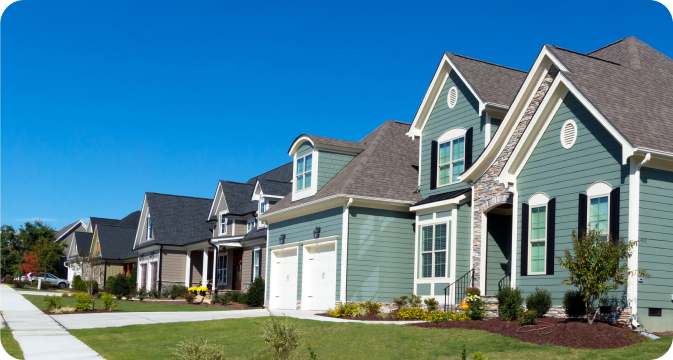
Mortgage APR vs Interest rate: How to compare
Want more content? Visit our Learning Center
Learn more about mortgage rates
How to get the lowest mortgage rate
How often do mortgage rates change
Mortgage APR vs Interest rate: How to compare
Want more content?
Visit our Learning Center
Frequently asked questions
- What is a mortgage rate?
A mortgage interest rate, or mortgage rate, is essentially the cost of borrowing money from a lender to buy a home. It’s a percentage of the total loan amount (i.e. the rate of interest) paid over the loan term. There are two main types — fixed rates and adjustable rates.
There are two common types of interest rates we offer at Zillow Home Loans: fixed and adjustable.
- Fixed mortgage rate: Your interest rate, and your monthly principal and interest payment, stays the same for the entire loan term.
- Adjustable mortgage rate (ARM) or variable rate: This starts with a fixed rate for an initial period. After that, the rate can change at set intervals based on the market, which means your monthly payment could go up or down based on your loan term. This adjustment period varies by lender.
When you work with us, we’ll help you understand which rate type fits your budget and long-term goals.
- How are mortgage rates determined?
At Zillow Home Loans, we set mortgage rates based on a mix of factors. Things like your credit history, how much you're putting down, and the value of the home all help shape your individual mortgage rate. Rates are influenced by broader market trends like inflation and job growth, and can fluctuate daily or even hourly. Since there’s no one-size-fits-all formula, mortgage rates can vary from lender to lender.
Our loan officers are happy to help talk you through these factors and explore the best options for your situation.
- What is the difference between interest rate and APR?
Your mortgage interest rate is the basic cost of borrowing money. It’s the percentage of your loan amount that you pay the lender each month.
The APR, or annual percentage rate, gives you a more complete picture. It includes the interest rate plus any extra finance charges tied to getting the loan, like lender fees and discount points. That’s why the APR is usually a bit higher — it reflects the total cost of the loan over time.
- What is a mortgage point?
A mortgage point is an upfront fee you might pay your lender for a particular interest rate on your loan, usually equal to 1% of your total loan amount.
You’ll see any points listed in your Loan Estimate, which you'll get after applying for a mortgage. That’s the best place to understand exactly what you're paying and why.
- What are origination fees?
Origination fees are what a lender charges to set up your mortgage. They cover things like processing your application, underwriting, and getting your loan funded. These fees usually stay the same, unless you make a big change, like switching to a different loan type.
This fee covers the cost of processing your application, underwriting, and getting your loan funded. This fee usually stays the same, unless you make a big change, like switching to a different loan type.
For example, if you go from a conventional loan to a VA loan, that could affect your fee. You’ll see any origination fees clearly listed on your Loan Estimate.
- What is a discount point?
Discount points are an optional way to lower your interest rate by paying more upfront at closing. It’s a tradeoff — pay a bit more now to save over time with a lower monthly payment. If you choose to buy discount points, they’ll be listed on your Loan Estimate, so you’ll know exactly what you’re paying and how much you’re saving.
- How much is a mortgage point?
One mortgage point equals 1% of your total loan amount. For example, if your loan is $100,000, one point would cost $1,000. Two points would be $2,000, and so on.
- How much does 1 point lower your interest rate?
That depends. The amount your rate drops for each point paid can vary based on your loan type, the lender, and the current market. Some lenders offer a bigger rate reduction per point, while others may offer less.
Our loan officers at Zillow Home Loans can help talk through scenarios regarding points and your loan amount.
- What is a mortgage rate lock?
A mortgage rate lock (or “lock-in”)is an agreement between you and your lender that means that after you’ve entered into this agreement, your rate won’t change while you’re going through the loan process — as long as your application details don’t change and you close within the lock period (usually between 30-45 days for a conventional purchase transaction). Changes in your application that could affect your rate include your loan amount, credit score, and verified income.
A rate lock gives you peace of mind during a time when rates can shift daily. Talk to your loan officer at Zillow Home Loans about locking in your rate.
- When should I lock in my mortgage rate?
If you’ve found a rate you’re happy with and think it might go up, it may be a good idea to lock it in. Rates can change quickly, sometimes even hourly, so locking when they’re low can help you avoid surprises later. A locked rate also means a locked monthly payment, giving you more confidence in what you can afford.
- How does the Federal Reserve affect mortgage rates?
While the Federal Reserve doesn’t set mortgage rates directly, its actions do have an impact — especially on loans with variable rates like adjustable-rate mortgages (ARM).
When the Federal Reserve raises rates, borrowing gets more expensive for banks, and that can lead to higher rates for borrowers too. Fixed-rate loans aren’t immediately affected, but if a federal increase is expected (or just happened), it’s a good idea to move quickly if you’re thinking about locking in a rate.
Get a personalized rate with BuyAbility℠
See a rate estimate tailored to you and updated daily so you’re always searching with the latest.
Ready to speak with a real person?
Call us at (855) 917-2501

Ready to speak with a real person?
Call us at (855) 917-2501
Ready to speak with a real person?
