These Home Features Are Disappearing — How Many Do You Know?
Go back to the past with these six historic features.
Written by Kelly Dawson on April 29, 2026
Reviewed by May Ortega, Edited by Jessica Rapp
Touring an older home can sometimes have the quality of walking through a time capsule. The overall layout is familiar, but certain aspects hint at how our private spaces have either changed or mostly stayed the same.
“Older homes were often built with a level of craftsmanship and material quality that is increasingly difficult to find,” says Rachel Robinson, architect and founding partner of Dunham Robinson. “The materials tend to be built to last, and in many cases, they already have.”
The decorative features that were commonplace in the 19th and 20th centuries, such as intricate fireplace mantels and ceiling plasterwork, were part of a wider mindset that prioritized a room’s proportion and the cozy quality of layering. For example, Robinson notes, it wasn’t enough to just have abundant natural light streaming into a living space back then. Construction often sought to create shadows that turned sunshine into a source of visual interest, too.
“I find myself advocating for older homes because they also were designed for adaptation over time,” Nicholas Potts, principal of Nicholas Potts Studio, adds. “The details that people love are more than skin deep.”
If you’re someone seeking out character, then these quirks can be appealing. But how many of them can you identify by name? Read on to find out, including some features that prove everything old is sometimes new again.
Telephone niches
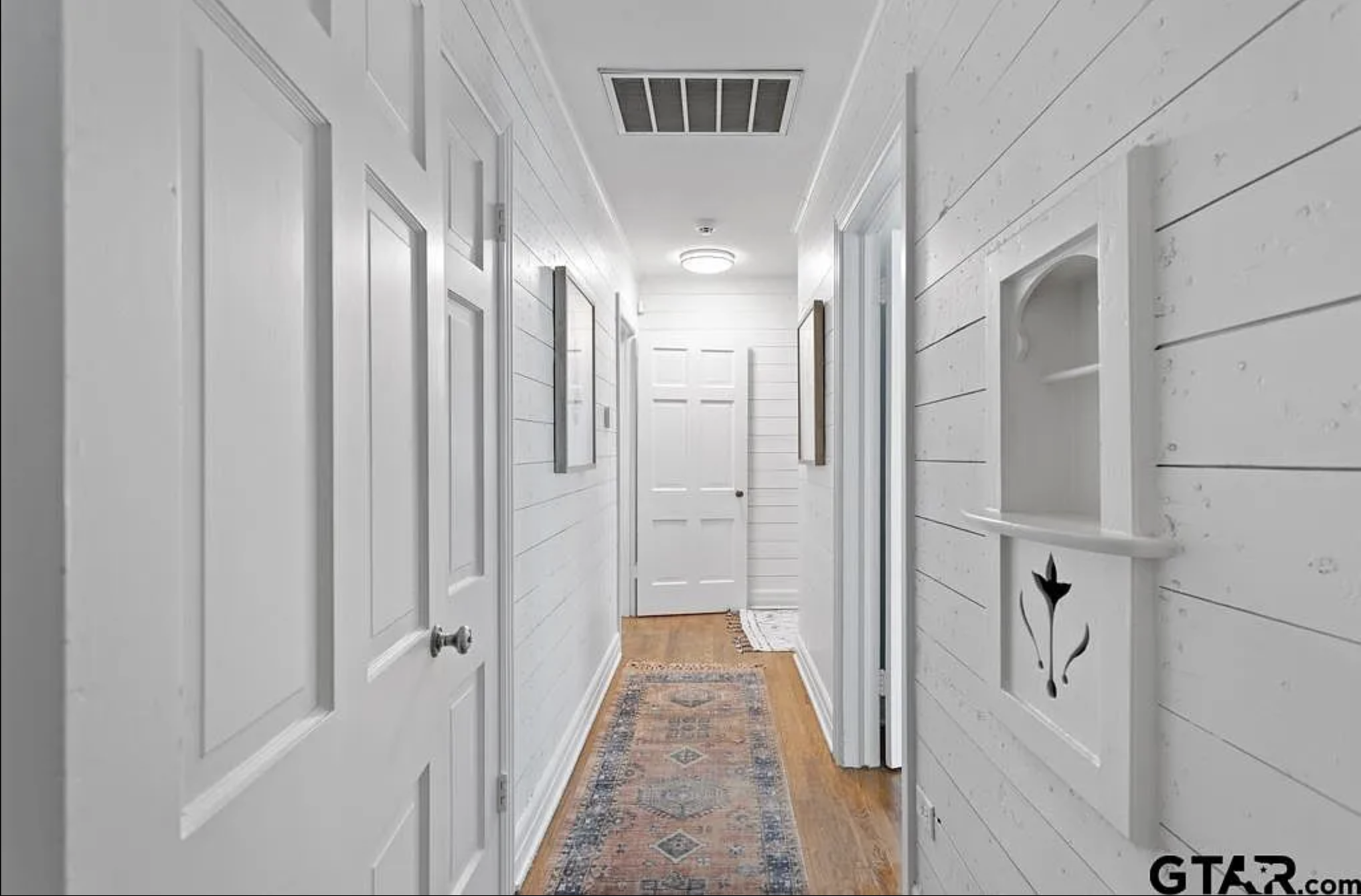
If you’re touring a home that’s been around for more than a century, you might notice a small alcove in a main hallway or living area with high foot traffic. This was once a telephone niche, where a landline was placed to answer and make calls. Yes, calls where people didn’t know who was on the other line (terrifying).
“These niches were as brilliant then as they are now,” Potts notes. “Even though most of us have long given up our landlines, we’ll always need a place for different occupants to leave information and tether back to physical objects: notes, keys, charging cords, and so on.”
Pocket doors

It’s likely that you’ve seen a pocket door slide out from a wall or two in new construction, and that’s because these room dividers are still a source of privacy with minimal disruption.
“The pocket door is the compromise between definition and openness, and it’s a brilliant, ancient solution for acknowledging that room shapes and connections sometimes need to change as we use them,” Potts says.
In formal settings of the past, the pocket door allowed guests to move from one activity to another, such as a candlelit dinner on to billiards. These days, pocket doors can be a way to create a seamless separation in a multi-use space.
“They’re still very relevant in modern homes where flexibility and efficiency matter,” Robinson notes.
Transom windows
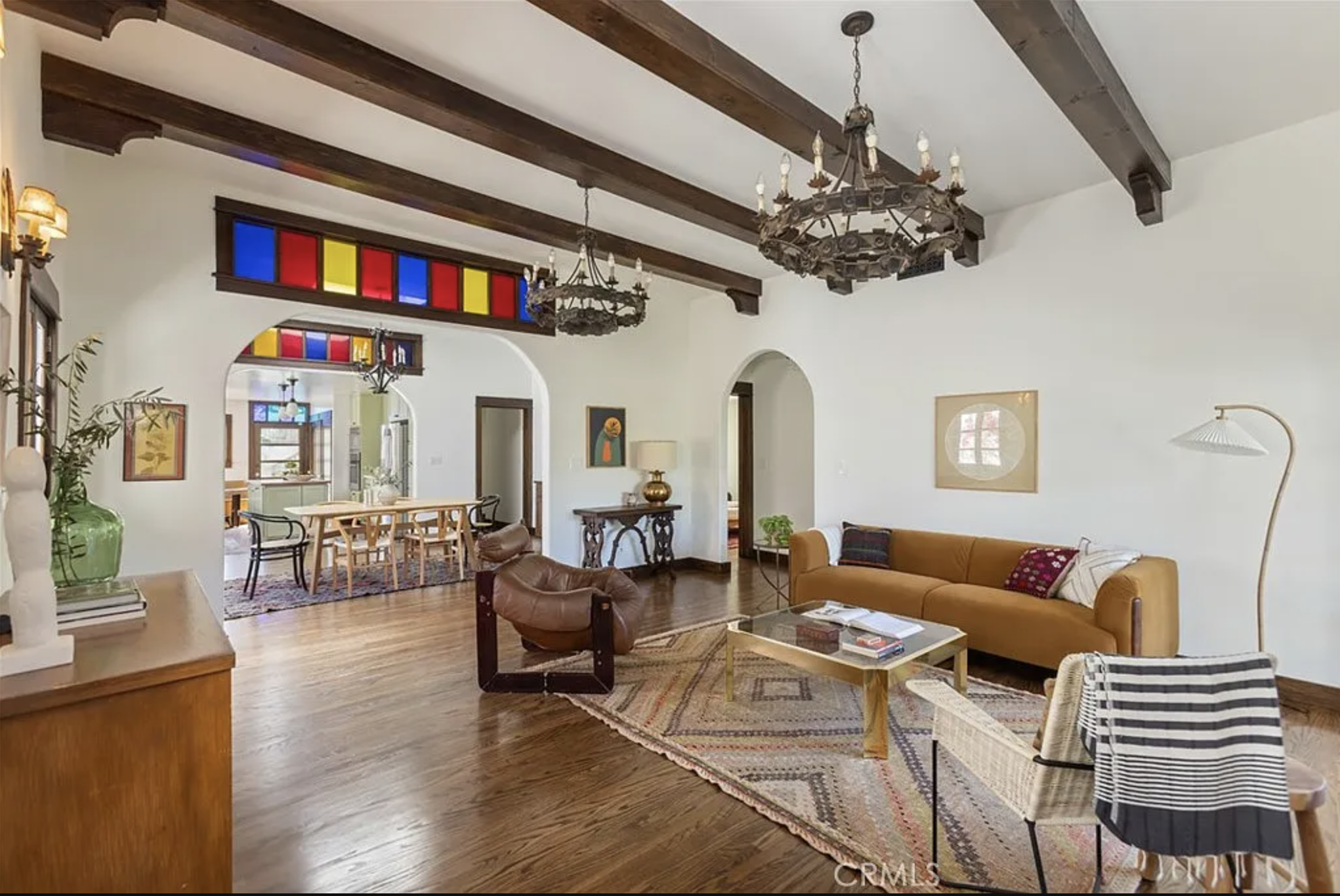
If you’ve taken note of small, rectangular panes above door frames in an older home, then congrats, you’ve pinpointed transom windows.
“These are fantastic because they allow light to move into a room even when the door is closed, offering privacy and daylight,” Robinson says. “This is the best of both worlds for bedrooms, home offices, or interior hallways.”
Transom windows were incredibly efficient when electricity was not commonplace, but they also allowed for cross-ventilation through buildings where multiple people lived. Given their association with tuberculosis treatment in the late 19th to mid-20th centuries, you might also hear them referred to as “tuberculosis windows.”
Sculleries
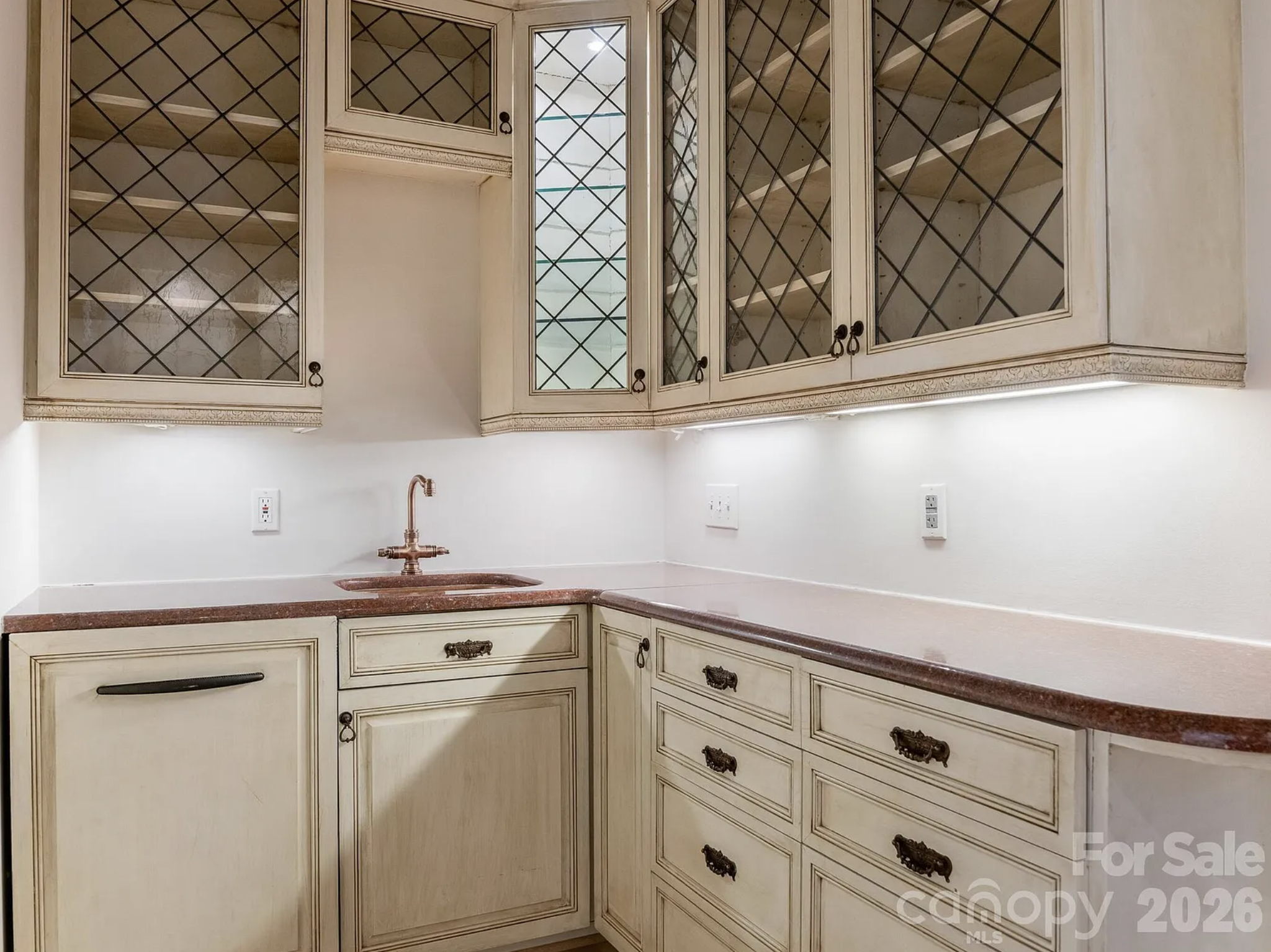
In larger estates, a scullery was a secondary kitchen where staff prepared and cleaned food and dishes, as well as stored ingredients and goods. This room was often part of 19th-century British estates that had staff, but can still be found in some sprawling American homes — along with likeminded components like dumbwaiters. But don’t be surprised if you see a scullery, larder, or butler’s pantry in new construction with abundant square footage.
“As kitchens have become 'showier' and moved from less visible parts of a house to its center, the workhorse spaces where cleaning, prepping, serving, or storage took place have returned as a way of keeping the messy bits off stage,” Potts says.
A modern scullery still has its previous mainstays of a sink, cabinetry, and countertops, but could also include drink fridges and secondary freezers as well. You know, the highlights of an entertainer’s dream home.
Corbels and decorative trim
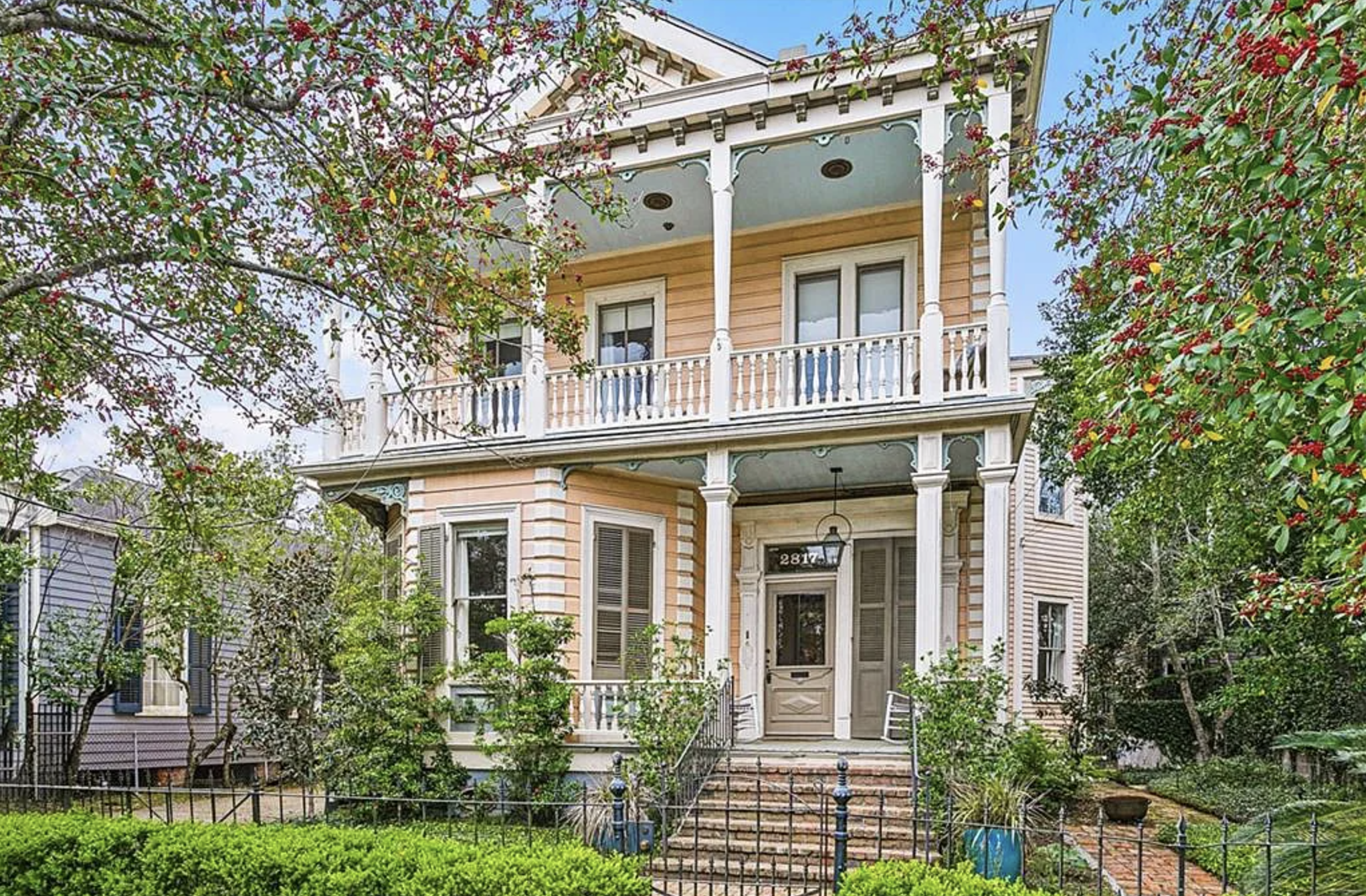
Historic architecture is often heralded for its attention to detail, which you can identify by finishes like fanciful corbels that provide structural support or decorative trim that amplifies everything from staircases and bookshelves to doorframes and cabinetry.
“Functionally, these flourishes close the gaps where materials meet,” Robinson says. “It’s an opportunity to create shadow lines and depth, showcase curvature, and create portals into other spaces.”
As much as Potts appreciates these additions, he also wants you to be aware of a simple fact: Just because these decorations might be pretty throwbacks doesn’t mean they always amount to very much.
“Oftentimes when you read 'old house' descriptions, it will say that decorative trim is a hallmark of great craftsmanship,” he says. “But starting in the 19th century, mass production made machine-made decorative elements incredibly cheap. So there is absolutely zero relationship between ornateness and quality.”
In fact, he says, the true mark of great craft is the absence of trim — where the work can’t hide behind a cover for gaps and misalignment. Keep that in mind as you consider ways to bring character into your home, whether it’s old or new.
Dressing rooms
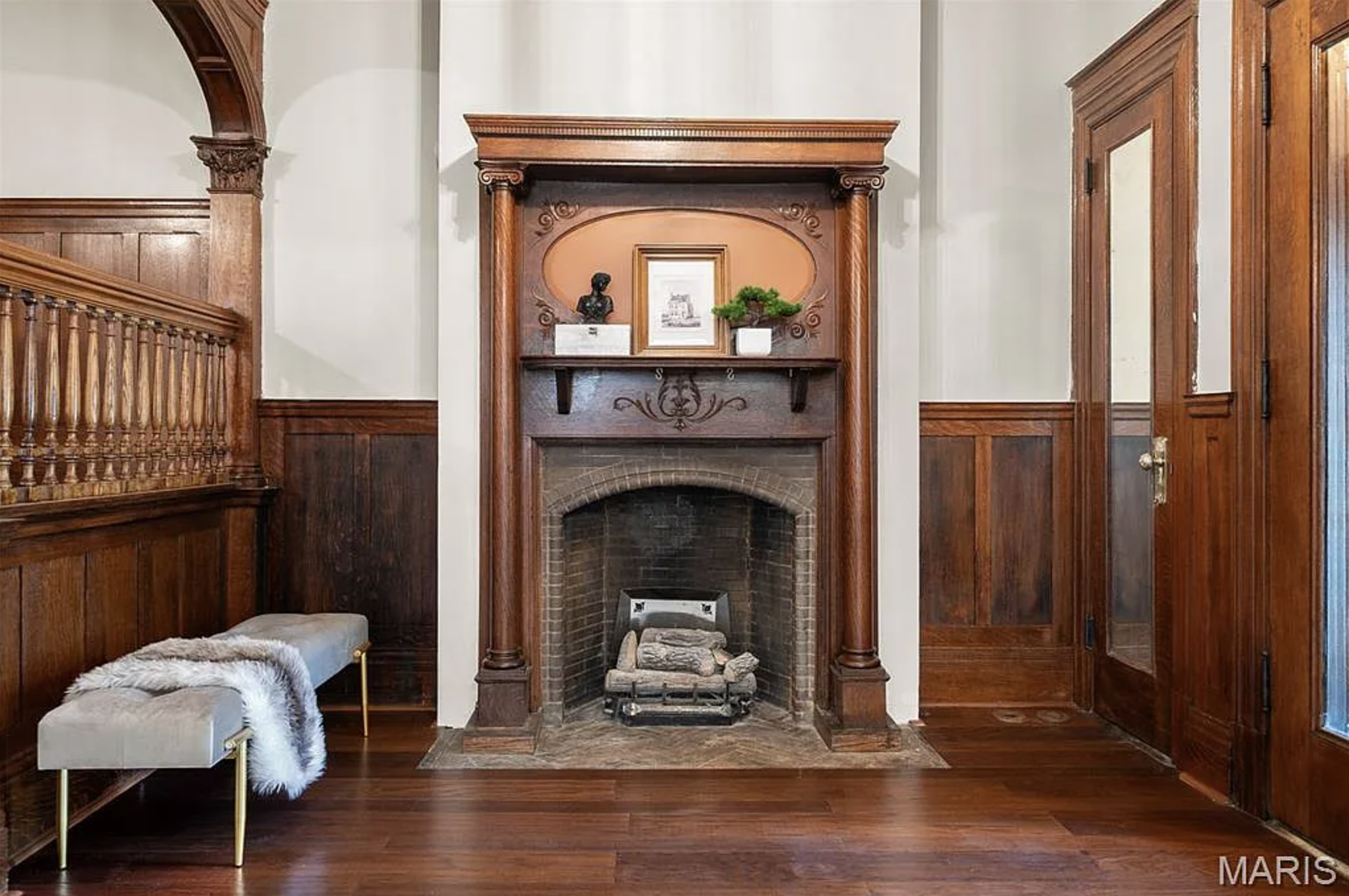
Older homes notoriously lack modern versions of storage, with old-school bedroom closets that look more like the closed-door racks you’d find in a current hallway. But in larger properties of the past, dressing rooms were more common — and large enough to feature built-in dressers and small loveseats. These days, Potts is getting requests to return to those surroundings, even at the expense of an additional bedroom.
“My team and I think this is a trend of walk-in-closet fatigue, of having to obsess with hanging up every bit of clothing perfectly on a daily basis,” he says. “Like the back-of-house spaces that have seen a resurgence in kitchens, this is a way of acknowledging that we as humans are imperfect and need space for imperfectness to live.”
In smaller older properties, you might have a condensed version of this in the form of a built-in vanity or dresser in a bathroom. They might be worth their square footage, too, for the charm plus convenience.
How to balance old and new
If an older home is on your wishlist — whether it includes some of the above features or not — keep in mind that the past could come back to haunt you. “It’s easy to spot great original details, but sometimes restoring them can be costly,” Robinson notes. Be sure to share with your agent which characteristics are most important to find, and then hire a home inspector to investigate whether these components add up to a wise investment.
“Watch out for things like many, many coats of paint, or trim that’s been carved into for new wiring,” Robinson adds as one example. “These can make restoration complicated.”
Once you’ve determined that an older home’s quirks suit your style and budget, you’ll likely want to work with a professional to either restore or preserve what you’ve found. The goal is to balance old and new, so that you’re respecting the past without planning a future in a museum.
“When we're working in older homes, rather than get emotionally attached to a physical element, we try to understand why it's there in the first place,” Potts says. “If it makes sense, then we’ll find a way to keep it or replicate it.”
Tags
How much home can you afford?
At Zillow Home Loans, we can pre-qualify you in as little as 5 minutes, with no impact to your credit score.
Zillow Home Loans, NMLS # 10287. Equal Housing Lender
Get pre-qualifiedA great agent makes all the difference
A local agent has the inside scoop on your market and can guide you through the buying process from start to finish.
Learn moreRelated Articles


Download the Zillow App
Don’t miss out on the right home for you — browse up-to-date listings, refine your search and more.
Download the free app