Written by Kelly Dawson on April 11, 2026
Reviewed by Alycia Lucio, Edited by Suzanne De Vita
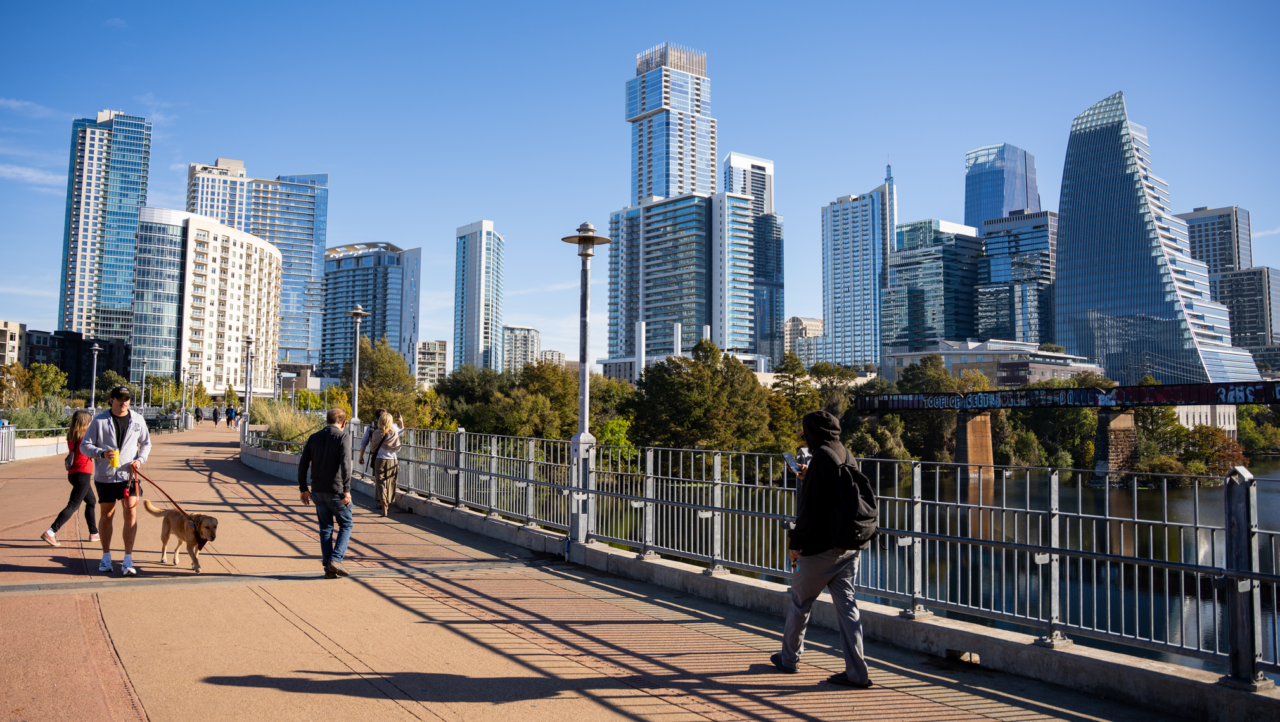
Austin, Texas is a good place to live if you’re looking for year-round activities from outdoor recreation to global cuisine, live music and more. As the “Live Music Capital of the World,” Austin caters to a variety of music genres, including country, blues, indie, rock and folk. You’ll find some of Austin’s most iconic music venues in South Congress as well as the annual Austin City Limits Music Festival presented at Zilker Park. The city stands behind its motto to “Keep Austin Weird” as a tribute to support the many local and quirky independent shops. If you’re looking to move to a city where its climate is as varied as its workforce and culture, Austin could be a good place to live.
What to consider before moving to Austin:
- Cost of living
- Job market and economy
- Lifestyle and culture
- Weather and climate
- Commute and public transit
- Pros and cons
- Compared to living in Seattle
- How to decide
Cost of living
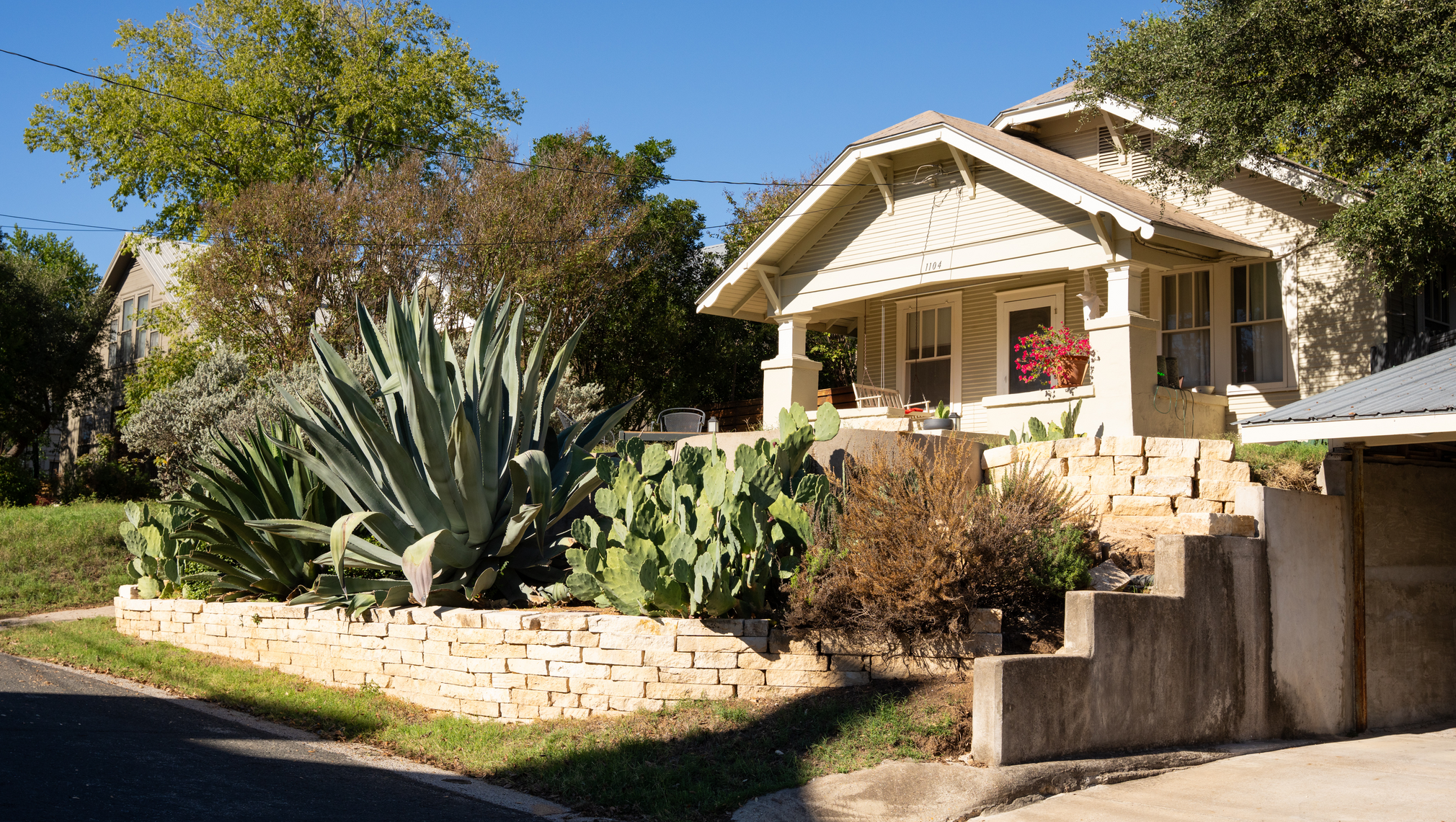
Housing will likely be your most expensive cost of living in any city. To comfortably afford living in Austin, the rule of thumb is to spend no more than 30% of your income on rent or a mortgage. Here’s how these numbers break down:
Renting a home: The monthly cost of rent in Austin is $1,563, according to the February 2026 Zillow’s Observed Rent Index. You’d need an annual income of $62,530 to afford to rent in Austin and remain within the 30% threshold — about 19% lower than the annual income needed to afford the typical U.S. rent.
Buying a home: The average home value in Austin is $424,642 as of February 2026, according to the Zillow Home Value Index. With a 20% down payment, the mortgage payment on the average home in Austin is $2,047. To afford the payments and stay within the 30% threshold, you’d need an annual income of $121,074. That’s about 26% higher than the income needed to afford the typical U.S. home.
Keep in mind that rental affordability in Austin also includes your additional monthly expenses, like utilities on an apartment. For a mortgage, you’ll also want to factor in Austin insurance costs, property taxes and maintenance costs. With all of these factored into your monthly mortgage payment, a home in Austin goes from $2,047 to $3,027, which is a $980 difference. Zillow’s Rent vs Buy Calculator can help you estimate whether buying a home in Austin or renting is worthwhile given your specific financial situation.
| Austin | National | How Austin compares | |
| Typical mortgage payment | $2,047 | $1,738 | 16% higher income needed |
| Average monthly rent | $1,563 | $1,895 | 19% lower income needed |
*Data source: All housing costs metrics are based on Zillow Research data using Zillow’s Affordability Metrics.
Job market and economy
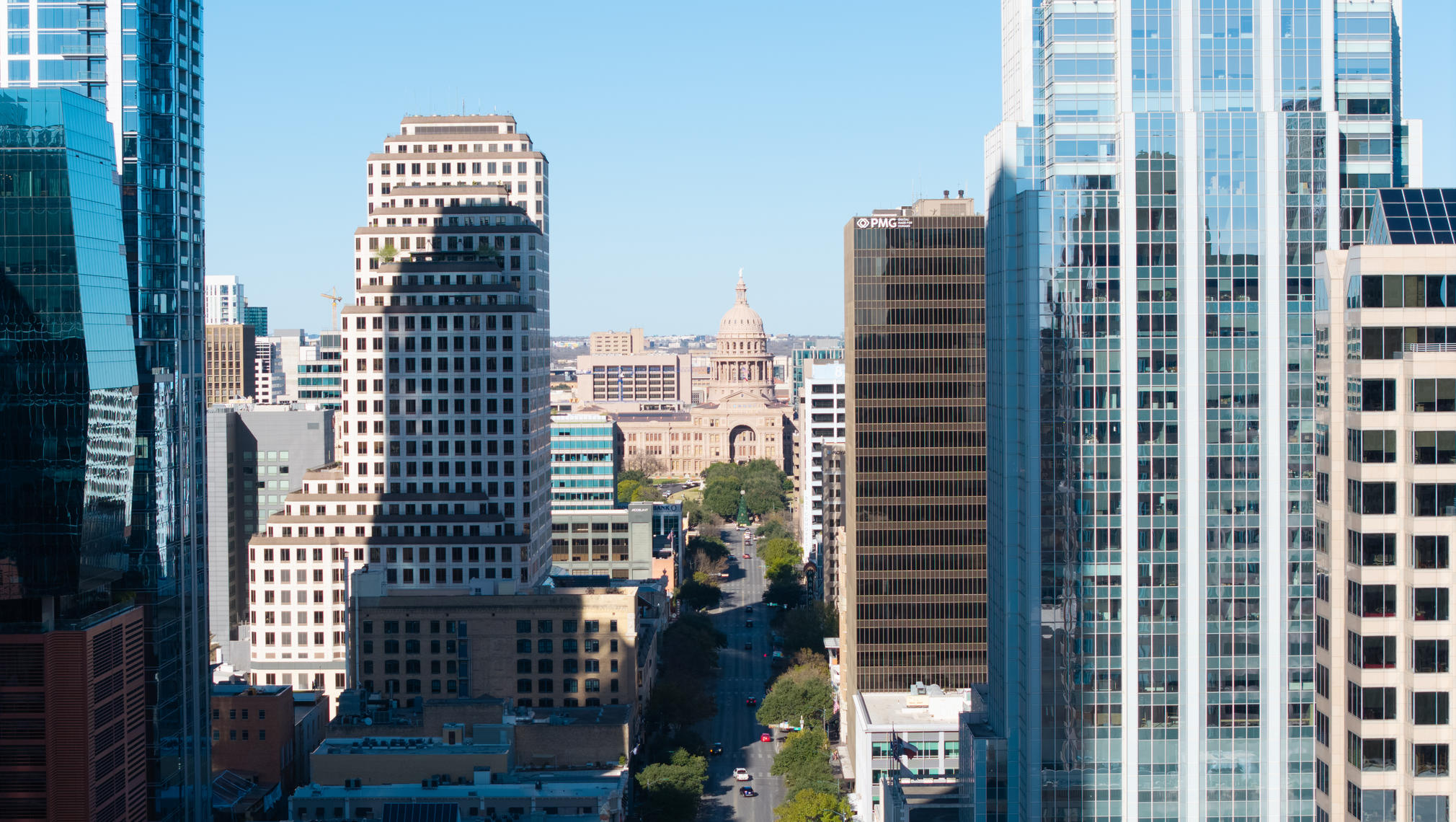
Austin’s economy is strong overall, but some industries fare better than others. The city’s unemployment rate is lower than the national average, according to the U.S. Bureau of Labor Statistics (BLS), and employment in Austin is growing faster compared to the rest of Texas.
- Income: The typical income in Austin is $104,617 as of February 2026, according to Zillow Research.
- Common professions: The most common professions in the Austin area include office and administrative support, management and food preparation and serving, according to the BLS. The jobs on the higher end of the payment scale include management and legal positions.
- Job growth: Jobs in Austin are growing faster than jobs in Texas as a whole, with the highest gains in government, education, health services and leisure and hospitality. While many major tech companies have set up shop in Austin, that trend has recently slowed.
Lifestyle and culture
Austin’s lifestyle and culture is centered around good music, a globally-minded food scene and outdoor recreation for all seasons — yes, even in the summer heat. Here’s what you can expect of Austin’s lifestyle and culture:
- Music: Austin has long been hailed as a live music haven, where you can listen to musicians play from South Congress and Downtown to East Austin and beyond. The Continental Club has been on the map since the 1950s, and Antone’s Nightclub is equally revered. Elephant Room and Scoot In are other popular spots, while Moody Center is a larger arena for of-the-moment tours. The city has grown to encompass media and film alongside music. The South by Southwest Festival takes place every March, preceding the Austin City Limits Music Festival each October.
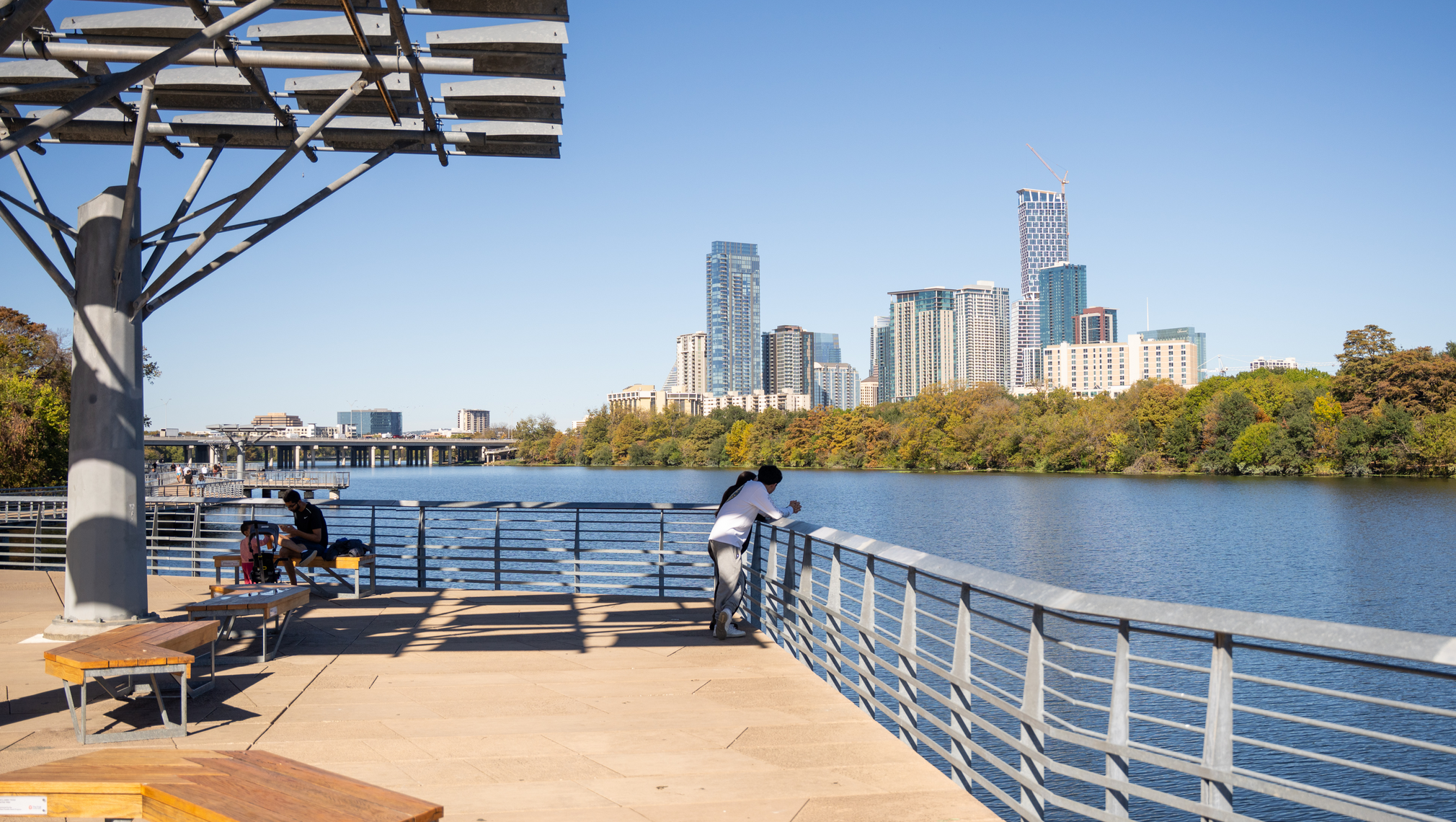
- Outdoor recreation: In Austin, you can swim and socialize year-round at Barton Springs Pool, a three-acre natural spring that’s consistently around 70 degrees Fahrenheit. You can also kayak or paddleboard on Lady Bird Lake, or bike along the lake’s 10-mile loop.
- Food: Austin honors its old-guard barbecue joints as much as its recently-established favorites, which can be found everywhere from Downtown to East Austin. It goes without saying that Tex-Mex is highly respected, too. Yet Austin’s food scene is so much more than the familiar. Southeast Asian restaurants are popular, and fresh seafood is plentiful even though the city is landlocked. Thanks to creative chefs and enthusiastic diners, Austin is a place where it’s easy to enjoy an international diet on a wide-ranging budget.
- Eccentricities: The slogan “Keep Austin Weird” is largely credited to resident Red Wassenich, who coined it in 2000 in reference to the city’s eclectic and artistic communities. It grew into a shorthand for supporting local businesses, events and public art like the Larry Monroe Forever Bridge Mosaic. Yet as Austin’s population has boomed — it’s one of the fastest-growing regions in the U.S. — the city is changing. Its most famous street, South Congress, is under major renovation, and Downtown now has more high-rises than bungalows. Austin still has its eccentricities, but it’s more polished, too.
Connect with a local real estate agent in Austin to learn more about the area.
Weather and climate
Austin’s weather and climate stem from its Central Texas location, where the Colorado River and Balcones escarpment meet. The eastern parts of the city are 400 feet above sea level, while the northwest side — closer to Hill Country — is 1,000 feet above sea level, so it’s not uncommon for there to be shifts in weather. Overall, the average temperature in Austin is 69 degrees Fahrenheit, according to NOAA.
- Hot and wet summers: Austin has a humid subtropical climate, which means that its summers are long, hot and humid. The average summer temperature in Austin is 85 degrees Fahrenheit, according to NOAA. Expect 100-degree days beginning in July, though. Austin averages approximately 35 inches of rainfall a year, with May and October among the wettest months. As of 2025, all homes here have to have functioning air conditioning.
- Mostly mild winters: The winters in Austin are mostly dry and mild, with some exceptions. The first freeze often takes place by the end of November, and colder temps wrap up by the end of February. There have been more ice storms in recent years, and freezing weather conditions occur on average every two years. The average winter temperature is 52 degrees Fahrenheit, according to NOAA.
- Severe weather: Austin often experiences severe hail and wind storms between March and May, though it’s rare for that to escalate to a tornado. It’s also rare to see a tropical storm or hurricane, though heavy rain or a passing system can cause flash flooding. There’s also the possibility for wildfires in the winter due to dry conditions and winds.
Commute and public transit
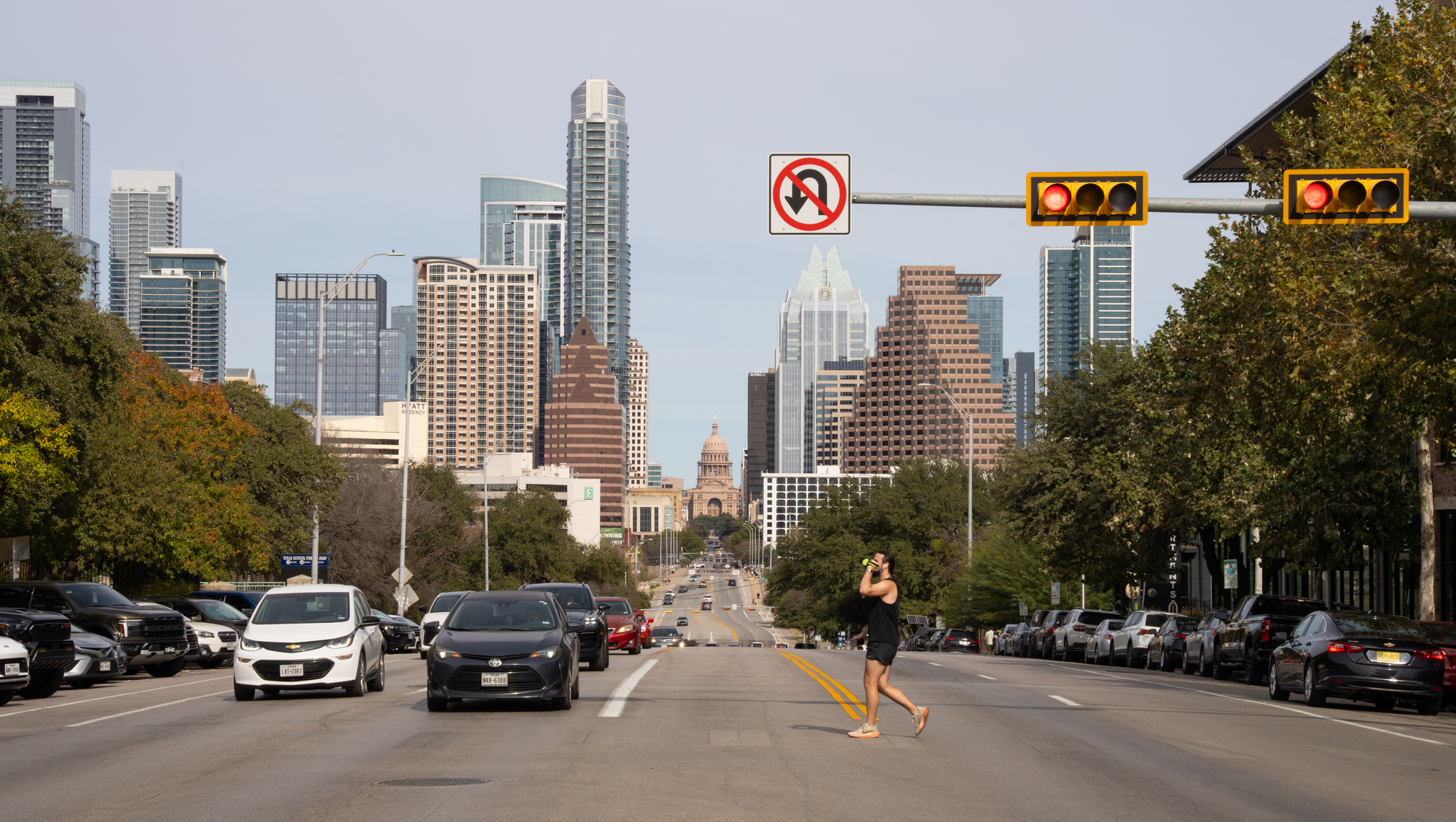
Austin isn’t a very congested city compared to others in the U.S., but you’ll still experience your fair share of traffic. Most local commuters reported to Census that they drove to work. Austin’s public transit is not as efficient as its roadways, and it’s the 30th most walkable city in America. Still, Austin has big plans to become more pedestrian-friendly in the future.
- Best way to get around: While some areas of Austin can be explored on foot, by bike or on public transit, you’ll likely need a car to navigate most of the city. By 2039, the city plans to transition to a 50/50 mode share split, with half of its population driving to work and the other half commuting by carpooling, biking, walking, public transit or working from home.
- Average commute time: The average commute time in Austin is 24 minutes, according to Census data. The majority of commuters take 15-19 minutes to get to work.
- Traffic conditions: Among the most congested U.S. cities, the INRIX 2025 Global Traffic Scorecard ranked Austin number 21.
- Road conditions: The roads in Texas overall received a C grade from the American Society of Civil Engineers (ASCE) in 2025, meaning roads are in fair to good condition with general signs of deterioration that need attention.
- Rideshare availability: Uber and Lyft have cornered the Austin rideshare market, and Waymo is also available through Uber. As an alternative, Wingz is a private car service that offers prescheduled, flat-rate rides to Austin-Bergstrom International Airport. If you have a reliable group, you could lease a CapMetro Vanpool, as well.
- Public transit availability: Austin is served by Capital Metro (CapMetro), the regional public transit system for the city and its surrounding areas. It has 72 bus routes serving 2,500 stops, as well as a 10-station commuter rail system between Downtown Austin and Leander. You can take a night-owl service from midnight until 3 a.m. through some of the city’s most popular areas, on which University of Texas students and staff can ride free. You can also take an electric bike around Central Austin through CapMetro’s bikeshare service. All that said, public transit in Austin could look different in the years to come as CapMetro’s 2035 plan is to update services and infrastructure to better meet local needs.
- Walkability: Austin is the 30th most walkable city in the country, according to WalkScore. West Campus (Wampus) is the city’s most walkable neighborhood. It's in the central hub, near the University of Texas at Austin.
Pros and cons of living in Austin
If Austin is on your short list of places to move, consider the pros and cons. The city’s residents champion local businesses and rave about the dining scene, and the outdoor recreation options here make it possible to swim in a natural spring not far from Downtown. Still, summers sure get toasty. And if you’re a big fan of major-league sports, you might be disappointed — as Austin only has one professional team.
Pros
- Locally-owned businesses: As part of the “Keep Austin Weird” ethos, local businesses are a cornerstone of Austin’s culture. From clothing and furniture to coffee shops, bookstores and everything in between, you’ll find no shortage of ways to get to know and support your neighbors and their businesses.
- Outdoor pursuits: Austin’s premier green space is Zilker Park, but there are plenty of other outdoor spots, too. Red Bud Isle on Lady Bird Lake is a launching pad for kayaks and canoes or a place to walk your dog off-leash. Mueller Lake Park has paved trails and an outdoor amphitheater, while Alliance Children’s Garden has a two-acre play area.
- Rent is affordable: Based on the February 2026 Zillow Observed Rent Index, rent in Austin is $1,563 — 19% lower than the national average. You’d need an annual income of $62,530 to comfortably afford rent here.
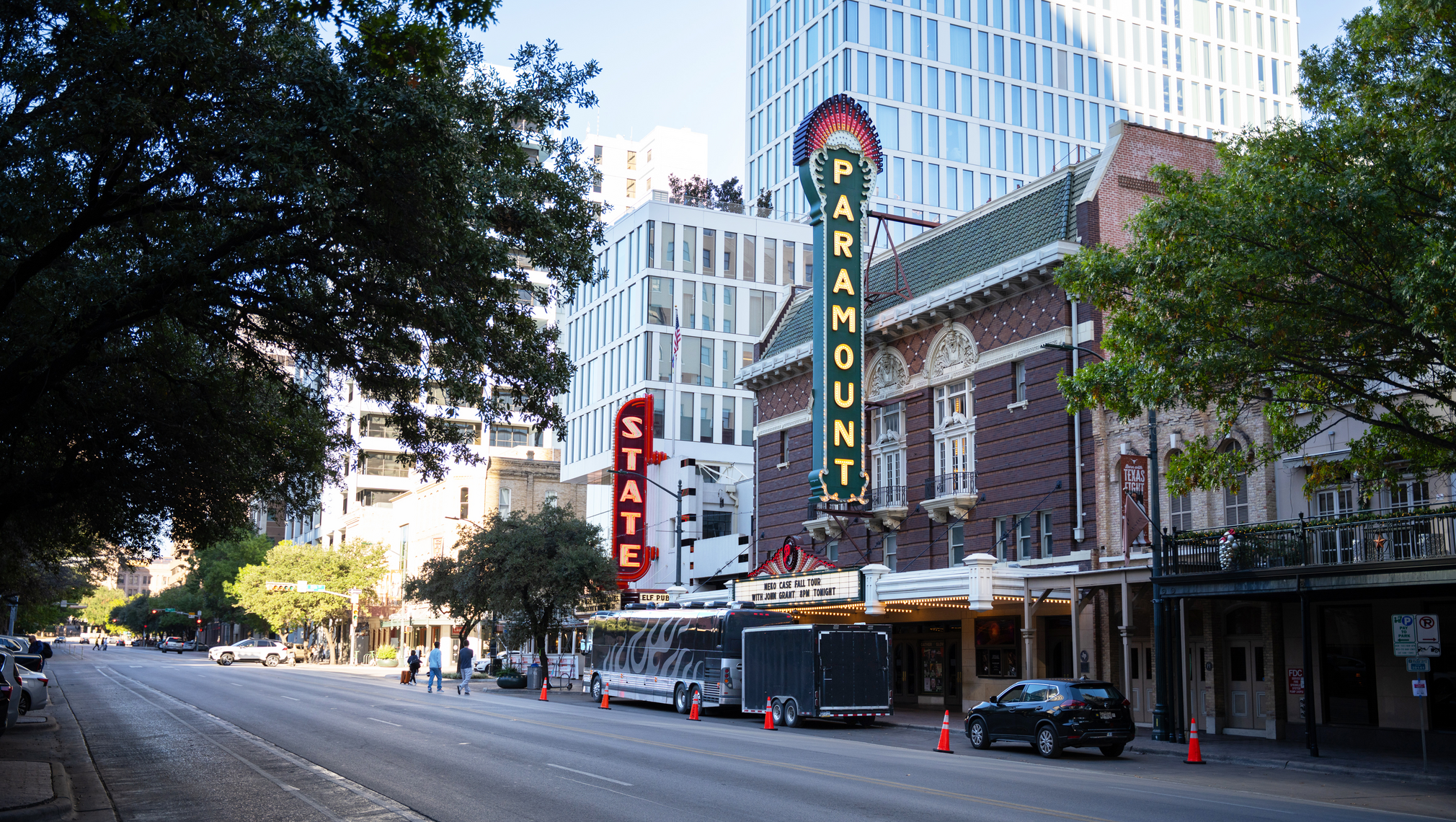
- Live music and theater: Austin’s live music scene is entrenched within the city’s culture, but there’s more for your ears beyond these venues. The Austin Symphony Orchestra offers classic and modern performances (including live scores of movie screenings), and the city as a whole has a number of theaters to choose from, including ZACH Theatre, the Paramount Theatre and Hyde Park Theatre.
- Quick, mild winters: While you can expect some freezing temps in the winter in Austin, the majority of the season is relatively mild. The highest temperature between December 2024 and March 2025 was 68 degrees Fahrenheit and the lowest 47 degrees, according to NOAA. As for rain, the city experienced less than seven inches during the winter of 2025.
- Good food: From brisket and queso to pho and sushi, you’ll eat very well in Austin. You can also drink very well, since craft cocktails and local breweries make great use of the city’s patio culture. If you’re looking for budget-friendly groceries to tide you over between restaurant visits, there’s always H-E-B.
Cons
- It gets very, very hot: In the summer, prepare for numerous 100-degree days. Most of those sweltering days happen in August, although they can pop up in July and June. During warmer months, expect crowds at the natural, three acre Barton Springs Pool within Zilker Park.
- Car-dependent: You’ll most likely need a car to get around Austin, especially to get to work. Like most major Texas cities, it’s not very walkable, and the public transit options are somewhat limited.
- Expensive home prices: Austin’s homes are pricier than the national average, which can be a struggle for those wanting to break into the market. The average price of homes in Austin is $424,642 as of February 2026, versus $360,571 nationally.
- One professional sports team: Austin is the largest city in the U.S. without a big-four presence — so no MLB, NBA, NFL or NHL teams. You can still cheer on Austin FC, the University of Texas Longhorns, the Texas Rollergirls and the runners of the Austin Marathon.
Is Austin better than Seattle?
Austin and Seattle share a culture of food, music and the outdoors, with a few differences. Seattle may be a good place to live, but here’s how to decide if Austin is better than Seattle:
- Cost of living: Whether you live in Austin or Seattle, housing is likely going to be the largest share of your expenses. To keep your housing payment below 30% of your income, you’d need an income between $62,530 to rent and $121,074 to buy in Austin (assuming a 20% down payment). In Seattle, that range is higher: You’d need $87,251 to rent and $183,039 to buy. This shows housing is more expensive in Seattle than Austin.
- Job market and economy: Seattle’s job market cooled in 2025, with large tech layoffs increasing the unemployment rate. While tech layoffs have also impacted Austin’s workforce, the city has a lower unemployment rate compared to Seattle, at 3.5% versus 5.1% (as of November 2025).
- Lifestyle and culture: Austin and Seattle both offer space for outdoor activities, whether it’s kayaking on Lake Washington or Lady Bird Lake or hiking in Mount Rainier National Park or McKinney Falls State Park. Both cities have a celebrated food scene, but Seattle diners get their seafood fix straight from Puget Sound and the Pacific. In addition, both cities are known for their respective music culture and festivals, from Seattle’s Bumbershoot to Austin City Limits.
- Schools and higher education: Seattle Public Schools service most of the city with 64% of schools rated “above average,” by GreatSchools. Austin Independent School District, on the other hand, has 33% of schools rating “above average.” For further education, The University of Texas at Austin ranks number 30 in national universities, according to the U.S. News and World Report, while the University of Washington ranks number 42 and Seattle University ranks number 151.
- Weather and climate: The average temperature in Seattle is 54 degrees Fahrenheit, while Austin has a warmer average temperature of 69 degrees Fahrenheit, according to NOAA. Seattle has a reputation for rain, but surprisingly Austin only receives 6 fewer inches of rain annually. The average precipitation in Seattle is 41 inches, while the average precipitation in Austin is 35 inches.
- Commute and public transit: Austin and Seattle are both car-centric cities, offering public transportation that can fill some gaps. The average commute time in Seattle is 30 minutes, while the average commute time in Austin is 24 minutes.
How to decide if living in Austin is right for you
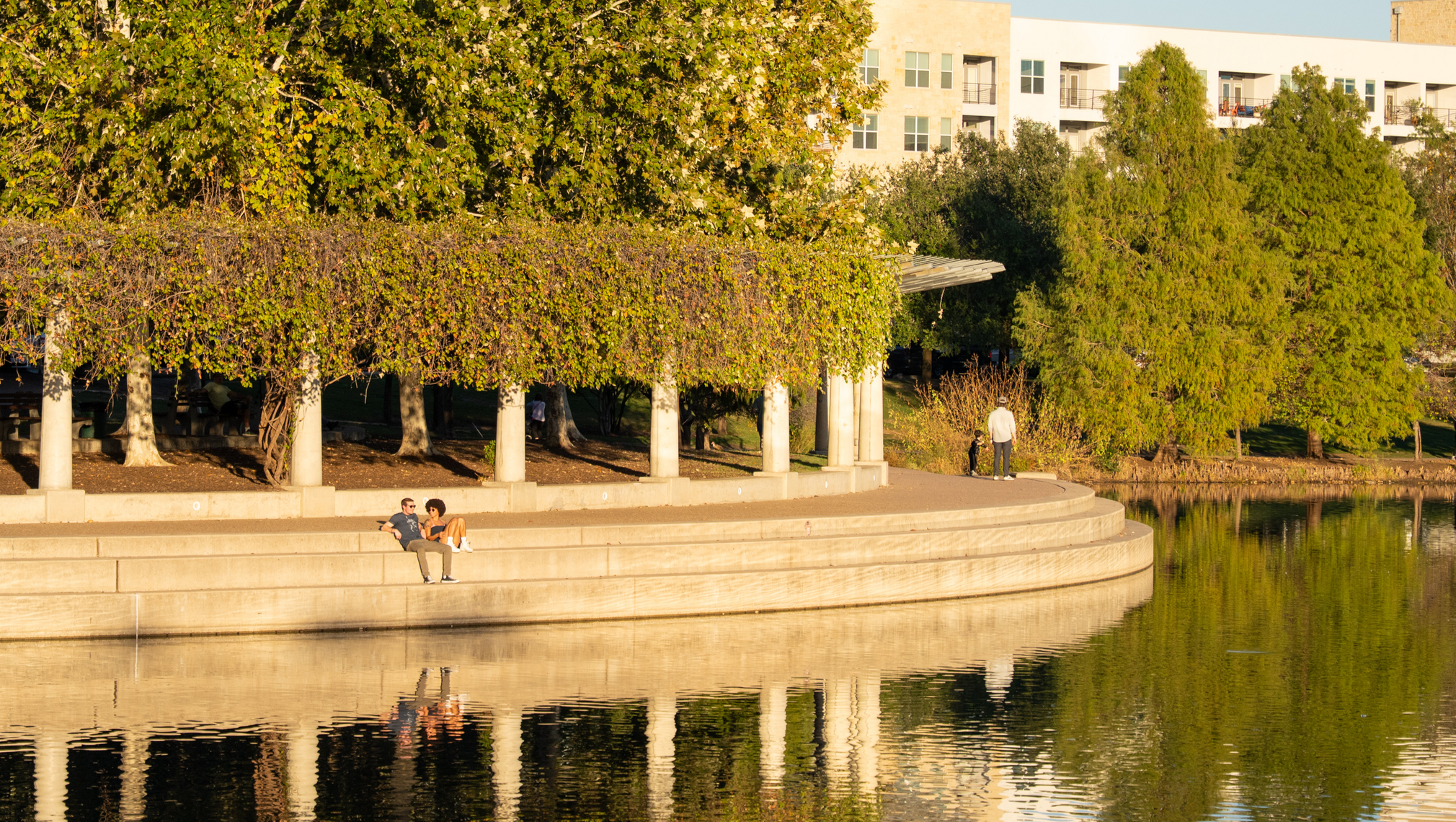
Whether Austin is right for you depends on how you envision your life. If live music, outdoor amenities, international cuisine and a creative energy all sound appealing, Austin might be the right fit. Remember that you’ll also want to balance those details with your cost of living, which includes determining if it’s better to rent or buy and which neighborhood best meets your needs. Here are some tips as you weigh your choices:
- Prioritize your needs: Austin is a creative, outdoorsy and food-loving city that experiences a spectrum of weather conditions. You’ll likely need a car to get around unless you live in a more central neighborhood.
- Compare cost of living: The biggest slice of your cost-of-living expenses will likely come down to housing. To keep your rent or mortgage payment to less than 30% of your income, you’ll need an annual income of at least $62,530 to rent comfortably in Austin. If you plan on buying a home with a 20% down payment, you’ll need an income of $121,074.
- Research neighborhoods: A Downtown Austin high-rise would give you access to a walkable, energetic hub, while Bouldin Creek has more of a historic and creative vibe. West Lake Hills is a luxurious suburb, and Mueller has great schools. Learn more about the best neighborhoods in Austin.
- Explore homes for sale: You can search for homes for sale in Austin on Zillow and sift through your options by square footage, number of bedrooms, price range and more.
How much home can you afford?
At Zillow Home Loans, we can pre-qualify you in as little as 5 minutes, with no impact to your credit score.
Zillow Home Loans, NMLS # 10287. Equal Housing Lender
Get pre-qualifiedA great agent makes all the difference
A local agent has the inside scoop on your market and can guide you through the buying process from start to finish.
Learn moreRelated Articles

Download the Zillow App
Don’t miss out on the right home for you — browse up-to-date listings, refine your search and more.
Download the free app