Written by Kelly Dawson on March 16, 2026
Reviewed by Alycia Lucio, Edited by Suzanne De Vita
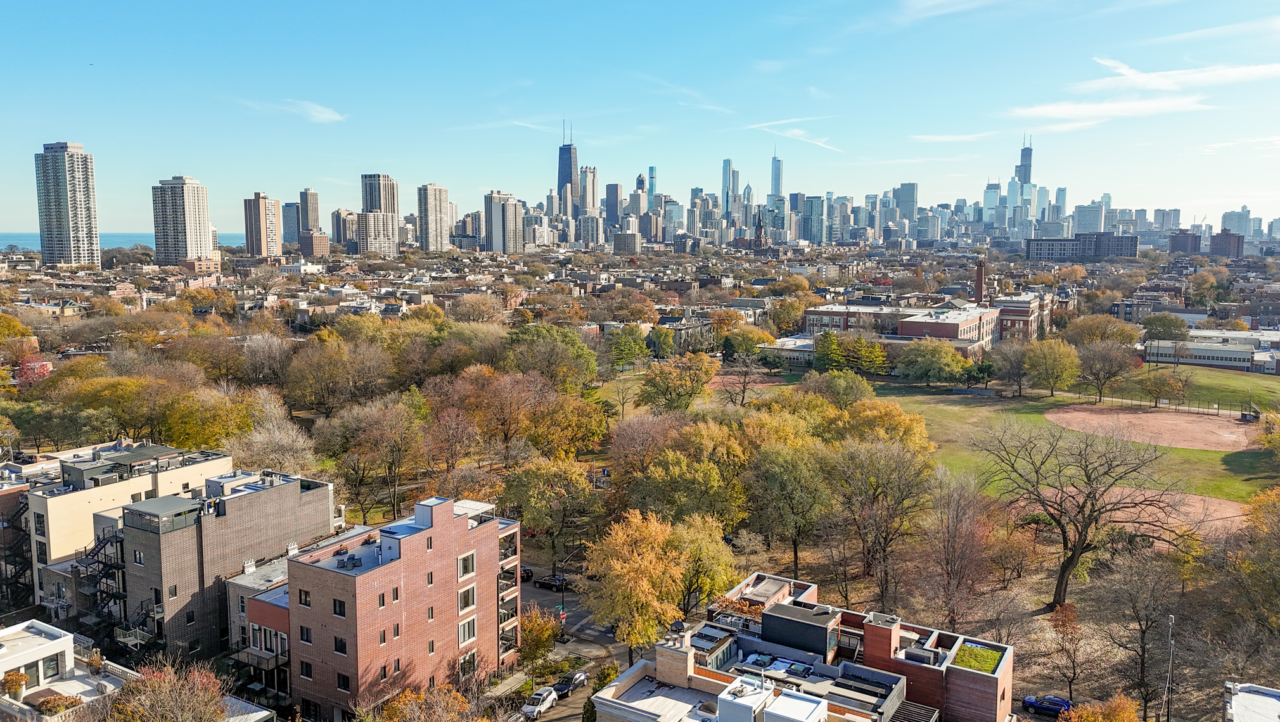
Rising up from the flat expanse of the Midwest in a jagged, sparkling symphony of steel and glass, Chicago is a sight to behold for newcomers and locals alike. Chicago is a good place to live if you want a city that matches grit with friendliness, extreme weather with enduring architecture and first-rate entertainment with culinary expertise. To live here is to get everything at once, all within the comfort of 77 tight-knit community areas. Learn if Chicago is a good place to live based on metrics and insights about the city below.
What to consider before moving to Chicago:
- Cost of living
- Job market and economy
- Lifestyle and culture
- Weather and climate
- Commute and public transit
- Pros and cons
- Compared to living in Seattle
- How to decide

Cost of living
The cost of living in Chicago often comes down to what will likely be your largest expense: housing. To live as a comfortable Chicagoan, you should aim to keep your housing costs less than 30% of your income — which is the typical recommendation whether you plan to rent or buy. Here’s how you can compare the two:
Renting a home: The average monthly rent in Chicago is $2,132, according to Zillow’s Observed Rent Index for February 2026. You’d need an annual income of $85,291 to afford rent in Chicago and remain within the 30% threshold — 12% higher than the annual income needed to afford the typical U.S. rent.
Buying a home: The typical home value in Chicago is $338,665 as of February 2026, according to the Zillow Home Value Index. With a down payment of 20%, the mortgage payment on the typical Chicago home is $1,633. To afford the payments and stay within the 30% threshold, you’d need an annual income of $106,959. That’s 14% higher than the income needed to afford the typical U.S. home.
When deciding if a home in Chicago will be affordable for you, weigh the cost of living with your additional monthly expenses like utilities on an apartment. If you're buying, pay attention to other hidden costs like maintenance. The total monthly payment for owning a home in Chicago when you include the mortgage, insurance, property taxes and maintenance is $2,674. Use Zillow’s Rent vs Buy Calculator to estimate whether buying a home in Chicago or renting works best based on your financial situation.
| Chicago | National | How Chicago compares | |
| Typical mortgage payment | $1,633 | $1,738 | 6% lower than the national average |
| Average monthly rent | $2,132 | $1,895 | 12% higher than the national average |
*Source: All housing costs metrics are based on Zillow Research data using Zillow’s Affordability Metrics.

Job market and economy
While it’s great to spend a weekday emulating Ferris Bueller every once in a while, real-life Chicagoans get down to business. The city’s proximity to Midwestern farmlands and well established transportation networks have made food manufacturing Chicago’s number-one workforce sector as of 2024, followed by finance and insurance in the second spot and technology in the third.
If you’re new to the game and you have big ideas, Chicago has also spent the last few years readily welcoming tech startups to the shores of Lake Michigan (alongside a longstanding culture of supporting small businesses).
- Income: The typical household income in Chicago is $95,322 as of February 2026, according to Zillow Research.
- Common professions: Manufacturing, professional services, trade, education and health are the most common professions in Chicago according to BLS.
- Job growth: Chicago’s economy is often contained within the Chicago-Naperville-Elgin metro area, which includes sections of Indiana, Illinois and Wisconsin. Its job growth is considered stable, with most increases centered in construction, government, health and education.
Lifestyle and culture
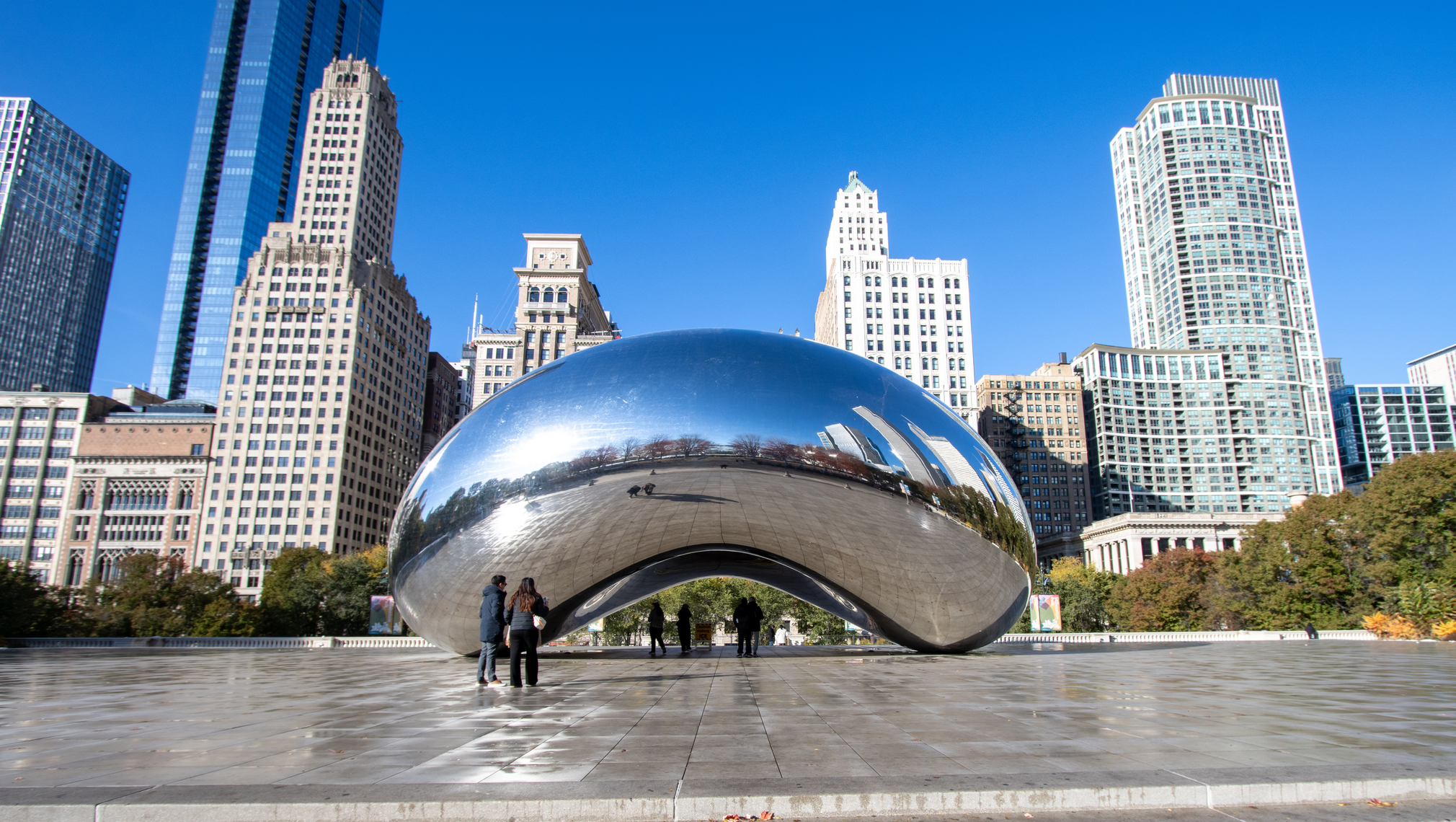
Whether you’re drifting on the Chicago River between skyscrapers, strolling along Lake Michigan with the skyline at your back or staring at a giant bean in the middle of Millennium Park, one thing is certain: You’re never too far from good views and good times in Chicago. Famous for deep dish pizza and hot dogs, celebrated for improv comedy and the arts and beloved for its cozy neighborhoods in the midst of big-city buzz, Chicago is a place where rousting entertainment meets Midwestern friendliness.
- Architecture: Chicago has a deep respect for its architectural touchpoints, from the heights of the Willis Tower to the straight lines of Frank Lloyd Wright’s Robie House. Many examples can be found in the Loop, and they’re often best seen on a riverboat cruise. Two- and three-flat housing options also showcase the city’s historic architecture.
- Dining: Chicago might be synonymous with deep dish pizza, hot dogs and Italian beef, but the dining scene goes far beyond that. From Michelin-starred restaurants and menus reflecting global influences to rooftop and corner bars, this city celebrates high-low eating.
- Entertainment: The Chicago Theater is a century-old venue with a marquee that’s arguably as recognizable as the city’s skyline, and it’s one of more than 200 theaters to take in a show. The Second City is a legendary comedy stage that’s always good for a laugh, and the Frank Gehry-designed Jay Pritzker Pavilion is a must for open-air concerts.
- Museums: The Field Museum is home to Sue the T. Rex, the Chicago History Museum is a treasure trove of all things Al Capone and the Museum of Science and Industry is the largest science center in the Western Hemisphere.
- Sports: The Chicago Cubs and the White Sox round out major league baseball here, while the Chicago Bears represent the NFL. The Blackhawks have won six Stanley Cups since the team was established in 1926, and the Bulls is a legendary basketball team.
- Events: Millennium Park and Grant Park have ice skating rinks in the winter and green expanses in the summer. Downtown’s Navy Pier has seasonal events and a Ferris wheel for bird’s-eye views.
- Beaches: Chicago’s beach season typically runs from Memorial Day Weekend through Labor Day. The Oak Street and North Avenue beaches are popular options for enjoying Lake Michigan.
Explore more region insights about Chicago.
Weather and climate
In the Windy City, it should come as no surprise that weather is often a topic of discussion. Chicago has four distinct seasons, and they’re all impacted by its location on the shores of Lake Michigan. A polar jet stream often moves directly over Illinois, so in the fall, winter and spring, expect rain, clouds and gusts. The lake cools the city down in the summer, allowing high temperatures to hover in the low 80s — heatwaves notwithstanding. Since temperatures in the winter average around freezing, with the occasional sub-zero arctic blasts, you’ll be glad for the seasonal weather changes.
- Hot summers: The average summer temperature in Chicago is 74 degrees Fahrenheit, according to NOAA. July is Chicago’s warmest month, and residents can expect temperatures around 76 degrees Fahrenheit. Thunderstorms are common, and high humidity is also a factor.
- Cold winters: The average winter temperature in Chicago is 28 degrees Fahrenheit, according to NOAA. The typical annual snowfall is about 34 inches.
- Arctic blasts: Single-digit temperatures and frigid windchills are not uncommon during a Chicago winter, which means that you should be prepared. Stock your pantry and emergency kit, seal drafts, insulate pipes and stay indoors — pets included.
Connect with a local real estate agent in Chicago to learn more about the area.
Commute and public transit
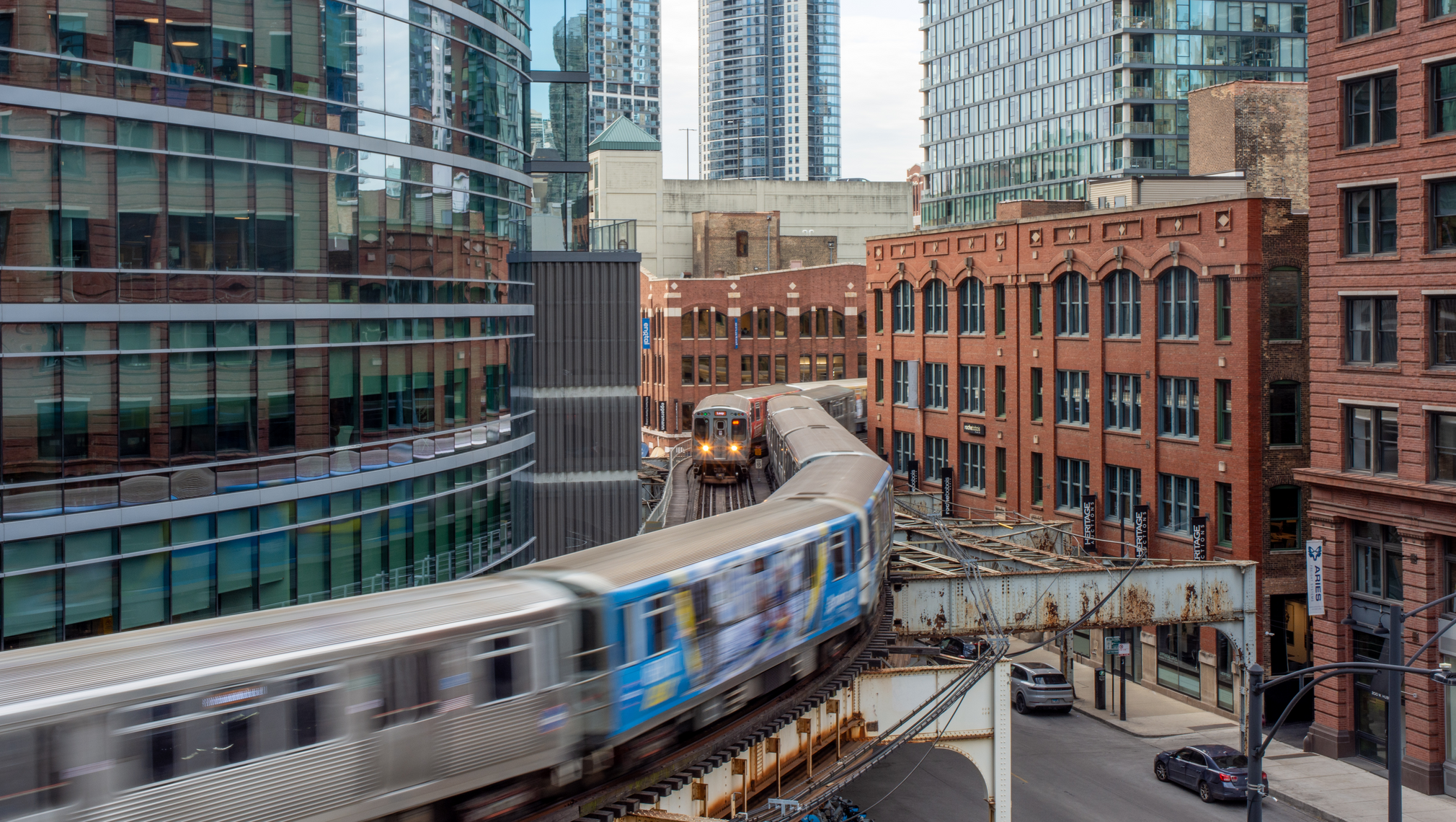
Chicago’s flat landscape, compact downtown and village-like neighborhoods make it easier than many U.S. cities to get around on foot. Thanks to an extensive public transit system coupled with rideshares, you may not need to ever get behind the wheel. The CTA, Chicago Transit Authority, serves around 3.4 million people a year — more than the city’s population of 2.7 million.
- Best way to get around: The “L,” Chicago’s rapid transit system, is the best way to get around when you’re downtown. The L has extensive coverage across the city and several suburbs with 146 rail stations. The L also serves the city’s two international airports, O’Hare and Midway. Aside from the trains, buses are your next best bet. You’ll need a Ventra card for both, but buses also take cash.
- Average commute time: The majority of Chicago workers age 16 and older reported to the Census that their commutes take between 30 to 34 minutes (18.6%). Chicago also has the second-largest share of people who bike to work in the country, with an average commute time of 23 minutes.
- Rideshare availability: Rideshares like Uber and Lyft are often more reliable than taxis in Chicago, although taxis are still an option.Alternatively, you can hop on one of the city’s rideshare bikes called Divvy (in partnership with Lyft).
- Public transit availability: The L has two lines that run 24/7: The Red Line and the Blue Line. There are also night-owl bus routes, which might differ from regular service routes, running between midnight and 5 a.m. (You can tell if a route has a night owl service if a blue bird icon is listed beside it.) Chicago is also a major Amtrak hub, as all routes converge at Union Station.
- Walkability: Chicago is the fourth-most walkable large city in the country, with a Walk Score of 77. The most walkable neighborhoods include East Ukrainian Village, Wicker Park and Near North Side.

Pros and cons of living in Chicago
Chicago has many upsides, but there are disadvantages, too. From the cost of living and job market to weather and public transit, let’s break down some of the pros and cons of living in Chicago:
Pros
- Endless entertainment: From theaters and concerts to film screenings and art, you’ll never be without entertainment in Chicago. Chicago also hosts numerous music festivals, from the famous Lollapalooza to jazz and blues concerts.
- Potentially car-free commute: A robust public transit system makes having a car debatable. That can save you money on a car payment, gas and maintenance. Plus, the city’s Walk Score of 77 means you’re usually good to go on foot.
- Diverse job market: From manufacturing and logistics to tech and finance, Chicago’s job market covers a wide range of industries, making it potentially more stable for workers across the board. Chicago is home to a number of Fortune 500 headquarters, as well, and the city’s startup culture and university networks welcome entrepreneurs.
- Eating well: Chicago has more than 7,300 restaurants and is a longtime host of the annual James Beard Awards. If you like eating from every corner of the world without leaving home, Chicago delivers.
- Public spaces: Outdoor recreation is easy to come by in Chicago, from the year-round events at Millennium Park and Lincoln Park to the 18-mile trail along Lake Michigan and its beaches.
Cons
- Rent: The average monthly rent in Chicago is $2,132 as of February 2026. Given that the monthly median annual salary is about $51,510, you could be spending almost half of your income on rent if you plan to live alone.
- Winter weather: The average temperature of a Chicago winter is about 28 degrees Fahrenheit — excluding the sub-zero temperatures brought on by arctic blasts. Winters are long, cold and could take some getting used to.
- Traffic and parking: You could be a Chicagoan who has a commute time of close to an hour or more during rush hour. If you use a car to get around, finding street parking in some of the most popular neighborhoods can be a struggle.
- Far from the great outdoors: Chicago’s flat geography and hours-long distance from challenging trails may frustrate those who want more space to roam beyond its parks and shoreline. That being said, it is possible to camp within city limits.
Is Chicago better than Seattle?
Chicago may be a worthwhile city to call your own if you’d like to stay in the Midwest. But if the coast is calling your name, you may want to consider Seattle. Here’s how Illinois’s largest city, Chicago, compares to the largest city in Washington State, Seattle:
- Cost of living: In Chicago, you’d need an income of at least $85,291 to comfortably rent — that is, stay within the 30% of your income — or $106,959 to buy. In Seattle, you’d need an income of at least $87,251 to rent or $183,039 to buy. While renting is only 2% more expensive in Seattle than Chicago, buying a home is 52% more expensive.
- Job market and economy: The information sector, otherwise known as the tech industry, is a major cornerstone of Seattle’s economy — and recent job market volatility has been hard on the city’s white-collar workers. Chicago’s job market and economy are more diversified, leading to more stability overall.
- Lifestyle and culture: Seattle’s lifestyle and culture prioritizes outdoor activities, and a major point of pride is easy access to the rugged beauty of the Pacific Northwest. Seattle’s dining scene is not as diverse as Chicago’s, but its location does capitalize on fresh seafood. After all, Seattle is the home of Pike Place Market.
- Schools and higher education: Chicago’s public school system is the third-largest in the nation, serving more than 300,000 students. Seattle’s public school system (the largest in Washington) serves about 50,000. The University of Washington, which is located in Seattle, was ranked number 8 in the best global universities, whereas the University of Chicago was ranked number 26.
- Weather and climate: Seattle’s climate is much more temperate than Chicago’s. The average summer temperature in Seattle is 66 degrees Fahrenheit, compared to Chicago’s average summer temperature of 74 degrees. And whereas Chicago’s average annual snowfall is about 42 inches, Seattle’s taps out at 7 inches. Rain is much more common in Seattle, and residents can expect about 147 days of precipitation per year.
- Commute and public transit: Chicago and Seattle have similar walkability scores — Chicago’s stands at 77, while Seattle’s Walk Score is at 74. Chicago is mostly flat, and Seattle can be surprisingly hilly. Both cities have equally strong bike cultures. Seattle’s Sound Transit system is not as extensive as the “L,” but the city plans to expand it from 48 stations to 83 stations by 2041.
How to decide if living in Chicago is right for you
As the third largest city in the country, Chicago has something for everyone. Its many attributes — from renowned architecture and a robust public transit system to an international dining scene and diverse job market — make this city a worthwhile place to live in all four seasons (yes, even in the winter). Here’s how to decide if living in Chicago is right for you:
- Prioritize your needs: Chicago is a haven of entertainment, dining and outdoor recreation throughout the year. The L’s extensive routes make car-free living possible. If you’re a nature lover, though, you might need a car (even though parking can be a challenge) — Chicago isn’t as close to the great outdoors.
- Compare cost of living: Housing will likely be the majority of your cost of living in Chicago. To keep your rent or mortgage payment less than 30% of your income, you’ll need an annual income of at least $85,291 to comfortably afford rent in Chicago and $106,959 to buy a home with a 20% down payment.
- Research neighborhoods: There are 77 community areas to choose from in Chicago, so it’s possible to find one that caters to you. Bronzeville is affordable and lively, River North is luxurious and Hyde Park is great for schools.
- Explore homes for sale: You can find homes for sale in Chicago on Zillow and narrow down your options by number of bedrooms, square footage, new construction and more.
How much home can you afford?
At Zillow Home Loans, we can pre-qualify you in as little as 5 minutes, with no impact to your credit score.
Zillow Home Loans, NMLS # 10287. Equal Housing Lender
Get pre-qualifiedA great agent makes all the difference
A local agent has the inside scoop on your market and can guide you through the buying process from start to finish.
Learn moreRelated Articles


Download the Zillow App
Don’t miss out on the right home for you — browse up-to-date listings, refine your search and more.
Download the free app